
Keeping your office chair clean might seem like a small detail, but it makes a big difference in your daily comfort and health. A clean chair not only looks better, but it also helps you avoid dust allergies, bad odors, and even skin issues.
Many people spend hours every day in their office chair, yet forget to give it the care it needs. Over time, this neglect can cause wear, stains, and even damage to the chair’s material. Whether you use a simple fabric chair, a modern mesh seat, or a luxurious leather executive chair, regular cleaning is essential.
In this guide, you’ll learn practical, step-by-step office chair cleaning tips that suit different materials, situations, and work environments. You’ll also find advice that most beginners miss, so your chair stays fresh, comfortable, and long-lasting.
Why Office Chair Cleaning Matters
Many people think cleaning an office chair is only about appearance. However, regular cleaning has deeper benefits. Dust, sweat, and food particles can collect on your chair without you noticing. Over weeks and months, these can cause:
- Bad smells
- Dust mite buildup
- Visible stains
- Faster material wear
Research shows that an average office chair has more bacteria than a toilet seat. According to a study by the University of Arizona, office chairs can hold about 21,000 germs per square inch. This can lead to allergies, skin problems, or illness. Also, many chair warranties require regular cleaning for continued coverage.
Understanding Your Office Chair Material
Before cleaning, you must know what your chair is made of. Every material needs a different cleaning approach.
Here’s a simple comparison of common office chair materials:
| Material | Main Features | Cleaning Difficulty | Common Mistakes |
|---|---|---|---|
| Fabric | Soft, affordable, absorbs spills | Moderate | Over-wetting, using harsh detergents |
| Mesh | Breathable, modern look, less absorbent | Easy | Scrubbing too hard, using sticky sprays |
| Leather | Luxurious, durable, resists stains | Medium to hard | Water damage, using alcohol-based cleaners |
| Vinyl/PU Leather | Cheap, water-resistant, looks like leather | Easy | Cracking with wrong cleaners |
| Plastic/Metal | Hard, easy to wipe, found in armrests/bases | Very easy | Ignoring joints, using abrasive sponges |
Check the tag under your chair or the manufacturer’s website if you’re unsure. This helps you avoid cleaning mistakes that can damage your chair.
Tools And Supplies You Need
You don’t need expensive products to keep your chair clean. Some basic items will work for most cleaning tasks:
- Vacuum cleaner with a brush or crevice tool
- Soft cloths (microfiber works best)
- Mild dish soap or gentle fabric cleaner
- Spray bottle for water or cleaning solution
- Soft-bristled brush (old toothbrush works)
- Disinfectant wipes (alcohol-free for leather)
- White vinegar (for odor and stain removal)
- Baking soda (for deodorizing fabric)
- Leather conditioner (for real leather chairs)
- Cotton swabs (for small crevices)
- Paper towels
Avoid using bleach, strong chemicals, or colored cloths that might transfer dye. Always test any new product on a small, hidden area first.
How Often Should You Clean Your Office Chair?
Many people only clean their chair when it looks dirty. This is not enough. A good schedule is:
- Light cleaning: Once a week (dust, wipe, vacuum)
- Deep cleaning: Once a month (thorough wash, spot cleaning)
- Immediate action: Every time there’s a spill or stain
Here’s an example cleaning frequency chart:
| Cleaning Type | Frequency | What to Do |
|---|---|---|
| Dusting/Vacuuming | Weekly | Remove dust, crumbs, and hair |
| Spot Cleaning | As needed | Clean spills and fresh stains |
| Deep Cleaning | Monthly | Wash all surfaces, deodorize, check for damage |
| Disinfecting | Bi-weekly | Wipe high-touch areas |
If you eat at your desk or share your chair with others, clean it more often.
Step-by-step Cleaning Guide For Every Chair Type
Cleaning Fabric Office Chairs
Fabric chairs are comfortable but absorb spills and odors easily. Follow these steps for a thorough clean:
1. Vacuum First
Use a vacuum with a brush tool to remove dust, crumbs, and hair. Pay special attention to seams and crevices.
2. Spot Clean Stains
Mix a few drops of mild dish soap with warm water. Dip a soft cloth in the solution and gently blot any stains. Never rub hard, as this can push the stain deeper.
3. Deep Clean The Fabric
Spray a light mist of the cleaning solution over the whole seat and backrest. Use a soft brush to gently scrub in circles. Avoid soaking the fabric.
4. Rinse And Dry
Wipe away soap with a clean, damp cloth. Let the chair air dry completely before using it again. Open a window or use a fan to speed up drying.
5. Deodorize As Needed
Sprinkle baking soda on dry fabric, wait 15 minutes, then vacuum it up. This helps remove odors.
Non-obvious tip: Don’t forget the underside and back of the seat. Dust and sweat can build up here, especially if you sit for long hours.
Cleaning Mesh Office Chairs
Mesh chairs are popular because they stay cool and dry. Here’s how to clean them:
1. Dust And Vacuum
Use a vacuum or dry microfiber cloth to remove dust and particles from the mesh.
2. Wipe With Mild Soap
Mix mild dish soap with water. Dampen a soft cloth and gently wipe the mesh. Don’t use too much water, as it can get trapped inside.
3. Brush Stuck Debris
Use a soft-bristled brush to remove any debris stuck in the mesh holes.
4. Dry Quickly
Pat dry with a towel and let air dry. Mesh dries faster than fabric, but avoid sitting down until fully dry.
Important insight: Avoid using sticky cleaning sprays or oils. These can clog the mesh holes and make dust stick faster.
Cleaning Leather And Faux Leather Office Chairs
Leather chairs look impressive but need gentle care.
1. Dust Regularly
Wipe with a dry microfiber cloth every few days to prevent dust buildup.
2. Clean With Leather Cleaner
Use a cleaner made for leather or mix a few drops of mild soap with water. Apply with a soft cloth and wipe the surface gently.
3. Remove Stains Carefully
For small stains, use a slightly damp cloth and blot gently. Never use alcohol, bleach, or rough scrubbing.
4. Condition Real Leather
Apply leather conditioner every 3-6 months. This keeps leather soft and prevents cracking.
5. Dry Properly
Always dry with a clean cloth after cleaning. Never let water sit on leather.
Non-obvious tip: Leather can fade in direct sunlight. Position your chair away from windows, or use window covers to protect the finish.
Cleaning Vinyl Or Pu Leather Chairs
These chairs are water-resistant and easy to clean, but can crack with age.
1. Wipe With Damp Cloth
Use a cloth with warm soapy water. Wipe all surfaces.
2. Dry Quickly
Use a dry towel to remove all moisture.
3. Avoid Harsh Chemicals
Stick to mild soap. Strong cleaners can make vinyl brittle and lead to cracking.
Insight for beginners: Don’t forget to clean the seams and stitches. Dirt collects here and can cause splitting over time.
Cleaning Plastic And Metal Parts
Armrests, wheels, and the chair base are often plastic or metal. Here’s how to keep them clean:
1. Wipe With Soap Solution
Mix mild soap with water and wipe with a cloth.
2. Use Cotton Swabs
For small crevices or joints, dip a cotton swab in soapy water and clean gently.
3. Dry Completely
Moisture can cause rust in metal parts. Always dry well after cleaning.
4. Check For Loose Screws
As you clean, check the screws and bolts. Tighten if needed.
Extra advice: Wheels collect a surprising amount of hair and dust. Flip the chair over and pull out any debris by hand or with tweezers.
Handling Stains And Spills
Act fast when something spills on your office chair. Quick action can prevent permanent stains. Here’s what to do for common spills:
- Coffee/Tea: Blot with paper towels, then clean with soapy water. Use a bit of vinegar if the stain remains.
- Ink: Dab (don’t rub) with rubbing alcohol on a cotton ball for fabric, or with soap for leather.
- Grease/Oil: Sprinkle cornstarch or baking soda on the stain, let it sit for 15 minutes, then vacuum and clean with soap.
- Food: Scrape off solids, blot liquids, then use soap solution.
Key point: Always blot, never rub. Rubbing spreads stains and damages fibers.
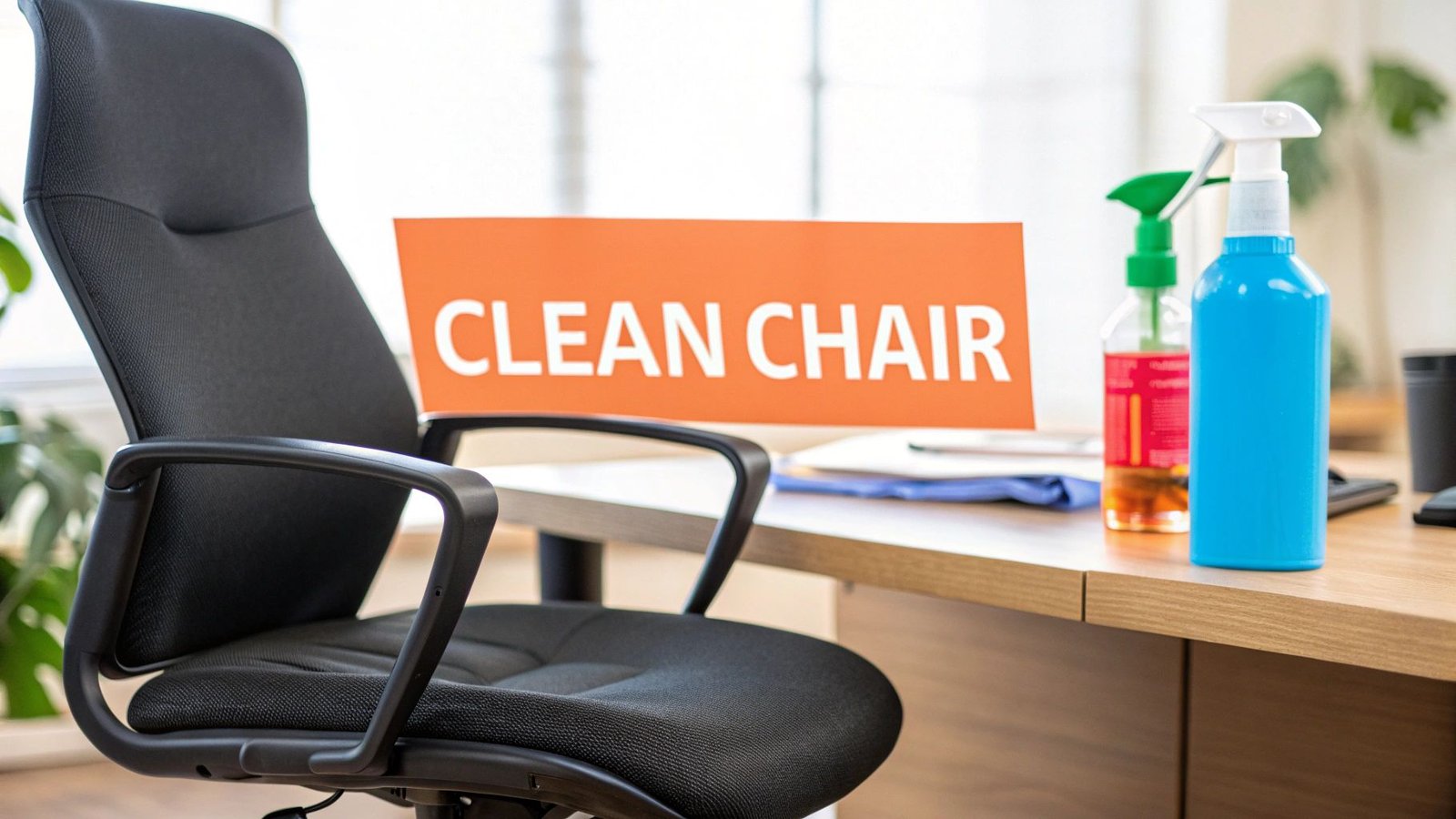
Credit: www.pagointernational.com.au
How To Remove Odors
Bad smells can linger in your chair, especially if you sweat or eat at your desk. Here’s how to freshen things up:
1. Air Out The Chair
Take the chair outside on a dry day. Sunlight and fresh air help remove odors.
2. Use Baking Soda
Sprinkle on fabric or mesh, wait, then vacuum.
3. Vinegar Solution
Mix equal parts water and white vinegar. Lightly mist the chair, then let it air dry.
4. Activated Charcoal
Place a small bag of activated charcoal under the seat for a few days. It absorbs smells naturally.
Non-obvious tip: Check for hidden food or spills under seat cushions or in crevices. These often cause persistent odors.
Disinfecting Your Office Chair
Especially after illness or during flu season, disinfecting is crucial. Here’s how to sanitize your chair safely:
- Use alcohol-free disinfectant wipes for most materials
- For fabric, spray a light mist of fabric-safe sanitizer
- For plastic and metal, standard disinfectant sprays work well
- For leather, use products made for leather or a mixture of water and a little white vinegar
Focus on armrests, backrest, seat, and adjustment levers, as these are touched most often.
Important: Never soak the chair or let liquid pool in seams or crevices.
Preventing Office Chair Dirt And Damage
Regular cleaning is important, but prevention makes it easier. Here’s how you can protect your chair:
- Use a chair cover if you eat at your desk or have pets
- Don’t sit with wet or dirty clothes
- Keep food and drinks away from your workspace if possible
- Vacuum your office floor regularly to reduce dust
- Check wheels for hair/dust every month
Small habits can make a big difference in how clean your chair stays.
Common Cleaning Mistakes To Avoid
Many people damage their chairs with simple mistakes. Here’s what to watch out for:
1. Using Too Much Water
Over-wetting fabric or leather can cause mold, stains, or warping.
2. Harsh Chemicals
Bleach, strong solvents, and alcohol can destroy material and color.
3. Scrubbing Too Hard
Aggressive brushing wears out fabric and mesh.
4. Skipping Hidden Spots
Odors and dirt often hide under the seat or in seams.
5. Not Drying Properly
Sitting on a damp chair can cause odor and mildew.
6. Mixing Up Cleaners
Always use the right product for your chair’s material.
Beginner tip: Read your chair’s care instructions before using any new cleaner.
Quick Reference: Best Practices For Each Chair Type
Here’s a simple summary to help you remember the best cleaning method for your chair type:
| Chair Type | Best Cleaning Method | What to Avoid |
|---|---|---|
| Fabric | Vacuum, mild soap, spot clean, baking soda for odor | Over-wetting, strong chemicals |
| Mesh | Vacuum, gentle wipe with soapy water | Sticky sprays, hard scrubbing |
| Leather | Dry dust, leather cleaner, condition every 6 months | Alcohol, direct sunlight, water |
| Vinyl/PU Leather | Wipe with soapy water, dry well | Strong cleaners, letting water sit |
| Plastic/Metal | Soap and water, dry after cleaning | Abrasive pads, ignoring joints/wheels |
Special Tips For Shared And Home Office Chairs
If your chair is shared with others or used in a home office:
- Clean more often, especially high-touch areas like armrests and levers.
- Use disinfectant wipes between users.
- Consider a removable, washable chair cover.
- Encourage everyone to keep the chair clean after use.
- Keep cleaning supplies nearby for quick action.
Non-obvious insight: Shared chairs are more likely to have hidden stains and higher bacteria levels. Regular cleaning protects everyone’s health.
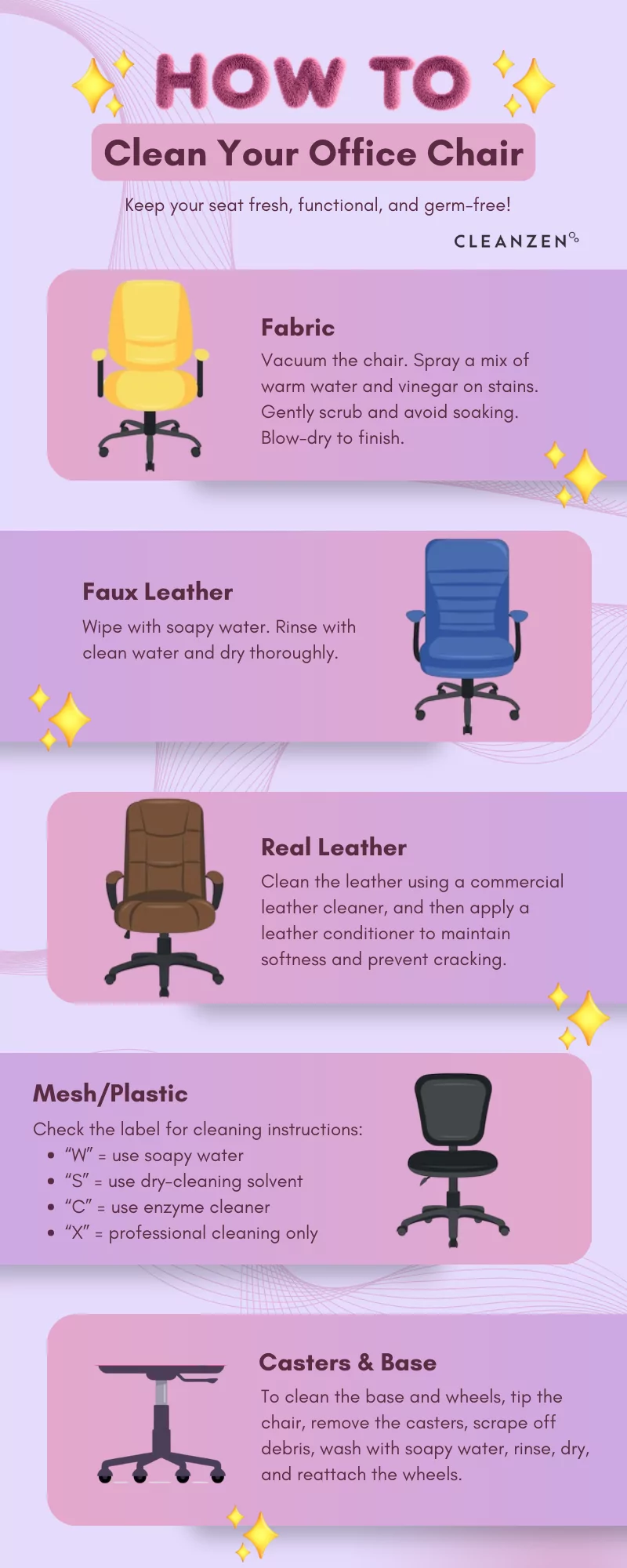
Credit: cleanzen.com
When To Call A Professional
Some stains or odors just won’t go away with home cleaning. Call a professional if:
- Your chair has a large or deep stain that won’t come out
- There’s a strong odor that cleaning cannot remove
- The chair is made from high-end leather and you’re not sure about DIY cleaning
- You see signs of mold or mildew
Professionals use special equipment and products to clean deeply without damage. This can also help extend your chair’s lifespan.
Eco-friendly Office Chair Cleaning
If you care about the environment, you can clean your chair without harsh chemicals:
- Use white vinegar and baking soda for most cleaning jobs
- Choose cloths and brushes made from natural fibers
- Air dry chairs outside when possible
- Avoid disposable wipes—use washable cloths instead
You can find more green cleaning tips at EPA Safer Choice.
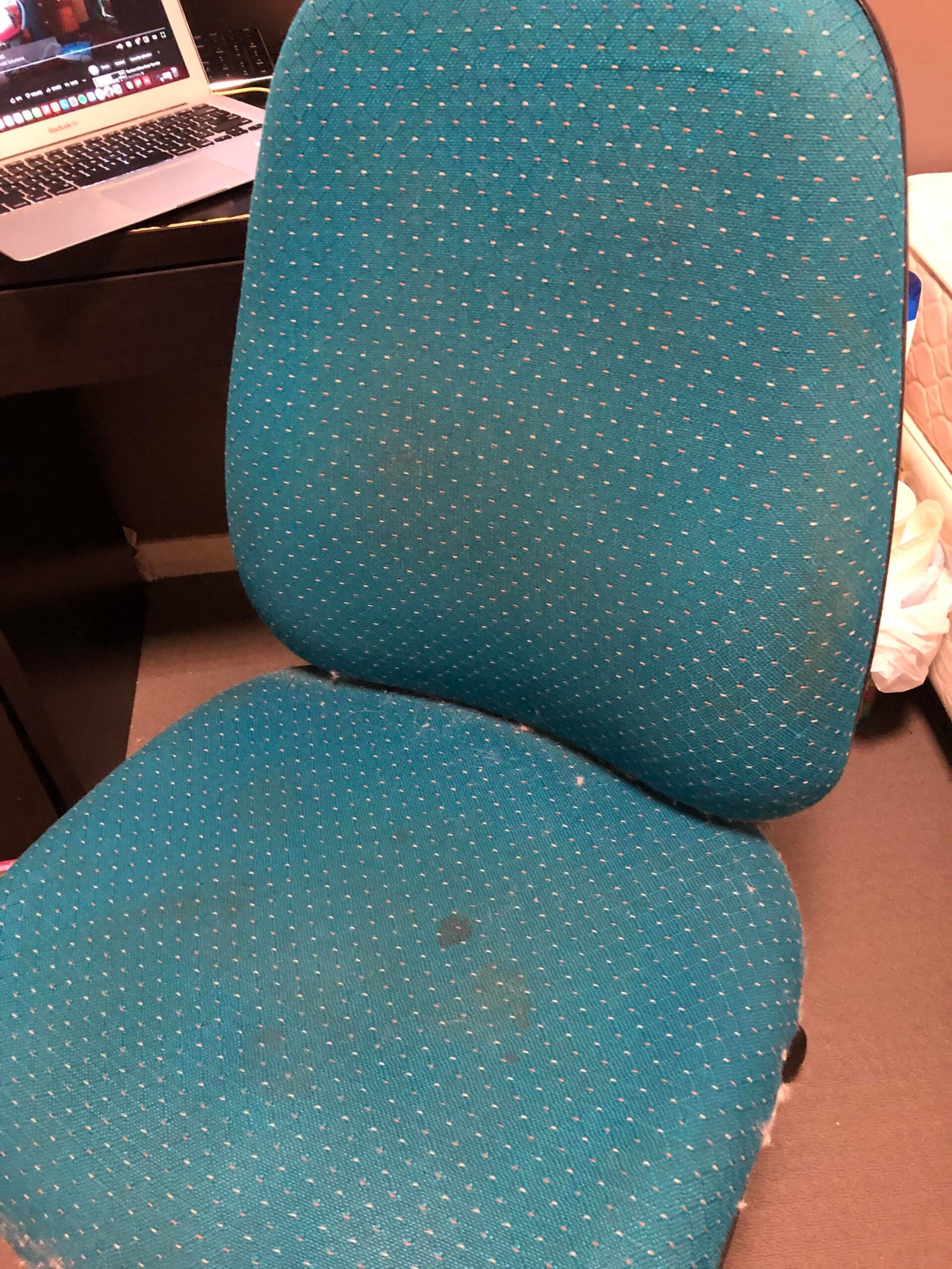
Credit: www.reddit.com
Frequently Asked Questions
How Do I Get Rid Of Sweat Stains From My Office Chair?
For fabric chairs, mix a little dish soap with water and gently blot the stained area. For mesh, use a damp cloth and mild soap. For leather, wipe with a damp cloth, then condition the leather. Always let the chair dry fully before sitting.
Can I Use A Steam Cleaner On My Office Chair?
Steam cleaners work on some fabric and mesh chairs but can damage leather, vinyl, or glued parts. Always check your chair’s care instructions and test a small area first.
What’s The Best Way To Clean Office Chair Wheels?
Turn the chair upside down and pull out hair, dust, and debris from the wheels with tweezers or a small brush. Wipe with a damp cloth and dry thoroughly. For sticky wheels, use a drop of mild soap in water.
How Do I Prevent My Office Chair From Smelling Bad?
Clean spills right away, vacuum regularly, and use baking soda or vinegar for odor removal. Avoid eating at your desk and let the chair air out occasionally.
Is It Safe To Use Disinfectant Sprays On All Office Chair Materials?
No. Disinfectant sprays are fine for plastic, metal, and some fabrics, but can damage leather and vinyl. Use alcohol-free wipes for sensitive materials and always test a small area first.
Keeping your office chair clean is easier than you might think. Regular care not only keeps your workspace fresh but also supports your health and helps your chair last longer. With these detailed office chair cleaning tips, you’ll be able to handle any mess, prevent damage, and enjoy a comfortable seat every day.
Related Office Guides
Continue with these related workspace guides: