
Keeping your leather office chair clean is more than just about looks. A clean chair lasts longer, feels better, and supports your health at work. Dust, sweat, food, and even sunlight can damage leather over time. Many people worry about cleaning leather, thinking it’s too delicate.
In reality, with the right methods, it’s easy to keep your leather chair looking new for years.
This guide walks you through everything you need to know to clean a leather office chair safely and effectively. You’ll learn what products to use, which mistakes to avoid, and how to handle common problems like ink stains or cracking.
Whether your chair is genuine leather or faux, you’ll find tips that work.
Understanding Leather Types
Before cleaning, it’s important to know what kind of leather you have. Not all leather is the same. Some chairs use genuine leather, some use bonded leather, and others use PU (faux) leather.
Genuine leather is made from animal hide. It feels soft, has natural wrinkles, and develops a unique look over time. Bonded leather is made from leftover leather pieces mixed with plastics. It looks like real leather but is less durable. PU leather is completely synthetic and cheaper, but can crack or peel faster.
If you’re not sure, check the manufacturer’s label under the chair or on the website. Cleaning methods are similar, but real leather needs more gentle care, while faux leathers can handle a bit more cleaning.
Why Regular Cleaning Matters
Many people clean their desk but forget about their chair. But your office chair collects sweat, oils from skin, dust, and crumbs. Over time, these can break down leather, causing cracks, fading, and bad smells.
A study by the University of Arizona found that office chairs can have more bacteria than a toilet seat! Regular cleaning keeps bacteria, dust mites, and allergens away. It also helps keep the leather soft and prevents cracking.
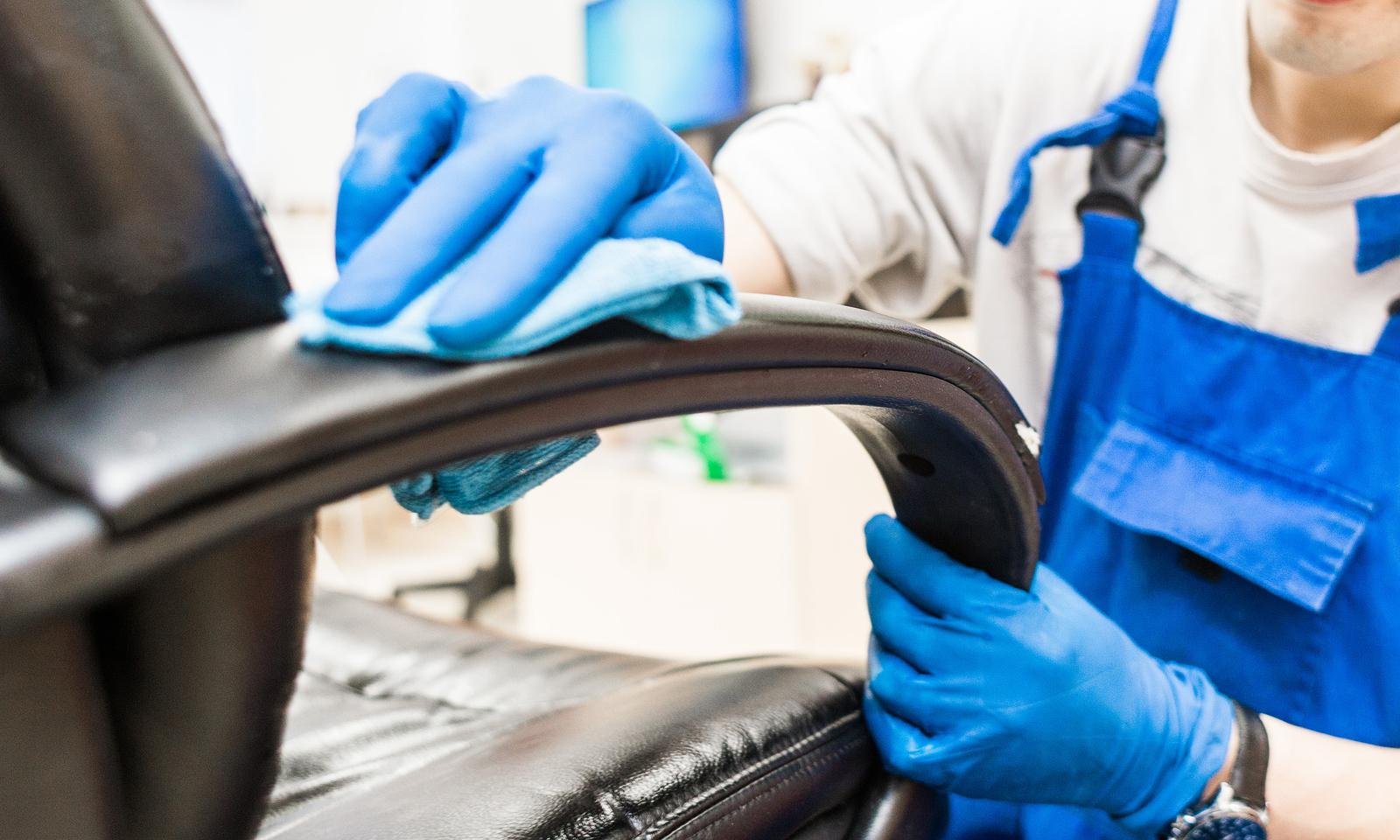
Credit: www.k-mark.co.za
What You’ll Need To Clean A Leather Office Chair
Gather these tools before you start:
- Soft microfiber cloths (2-3 pieces)
- Mild liquid soap (like hand soap or dish soap, unscented)
- Distilled water
- Vacuum cleaner with brush attachment
- Leather conditioner (for genuine leather)
- Spray bottle (optional)
- Cotton swabs (for small spots)
- Small bowl
- White vinegar (for tough stains)
- Rubbing alcohol (for ink stains)
Never use harsh chemicals, bleach, or ammonia-based cleaners on leather. These can cause permanent damage.
Step-by-step: How To Clean A Leather Office Chair
1. Remove Dust And Debris
Start by vacuuming the chair, especially the seams and crevices. Use the brush attachment to avoid scratching the leather. If you don’t have a vacuum, use a dry microfiber cloth to dust the surface.
Non-obvious tip: Tilt the chair backward to let hidden crumbs and dust fall out from under the seat.
2. Prepare A Gentle Cleaning Solution
Mix a small amount of mild soap into a bowl of distilled water. Usually, 3-4 drops of soap in 1 cup of water is enough. Distilled water is safer because tap water can leave marks.
Dip a microfiber cloth into the solution, wring it out well. The cloth should be damp, not wet.
3. Wipe Down The Leather
Gently wipe the entire surface, including the back, seat, and armrests. Don’t rub hard—let the soap do the work. Work in small sections and rinse the cloth often.
Pro tip: Clean in circles to avoid streaks.
4. Clean Problem Areas
For sticky spots or stains, press the damp cloth over the spot for a few seconds, then wipe. For seams or tight corners, use a cotton swab dipped in the cleaning solution.
5. Rinse The Leather
Wipe the chair again with a clean cloth dampened with plain distilled water. This removes any soap left on the leather.
6. Dry The Chair
Pat the leather dry with a soft towel. Never use a hairdryer or put the chair in the sun to dry—it can cause cracks.
7. Condition The Leather
If your chair is real leather, apply a leather conditioner. This step is vital. Conditioner keeps the leather soft and prevents drying or cracking. Put a small amount on a clean cloth, rub it in gently, and let it absorb for a few hours.
Skip this step for PU or bonded leather, as they don’t absorb conditioner the same way.
Dealing With Common Stains
Not all stains are the same. Here’s how to tackle the most common ones:
Ink Stains
Dab a cotton swab in rubbing alcohol and gently blot the ink. Don’t rub, as this can spread the stain. Test on a hidden spot first.
Food And Drink Spills
Wipe up spills immediately with a dry cloth. Then use the gentle soap solution to clean. Fast action prevents stains from setting.
Grease Or Oil
Sprinkle a little baking soda on the spot. Let it sit for a few hours (it absorbs oil), then brush off gently. Clean as usual with soap and water.
Watermarks
Use a slightly damp cloth to “blend” the watermark with the rest of the leather. Often, this helps even out the color.
How Often Should You Clean?
Regular care keeps your chair looking great. Here’s a good schedule:
- Weekly: Dust and wipe down with a dry cloth
- Monthly: Clean with soap solution and condition (for real leather)
- After spills: Clean immediately
Neglecting regular cleaning makes deep stains and cracks much harder to fix.
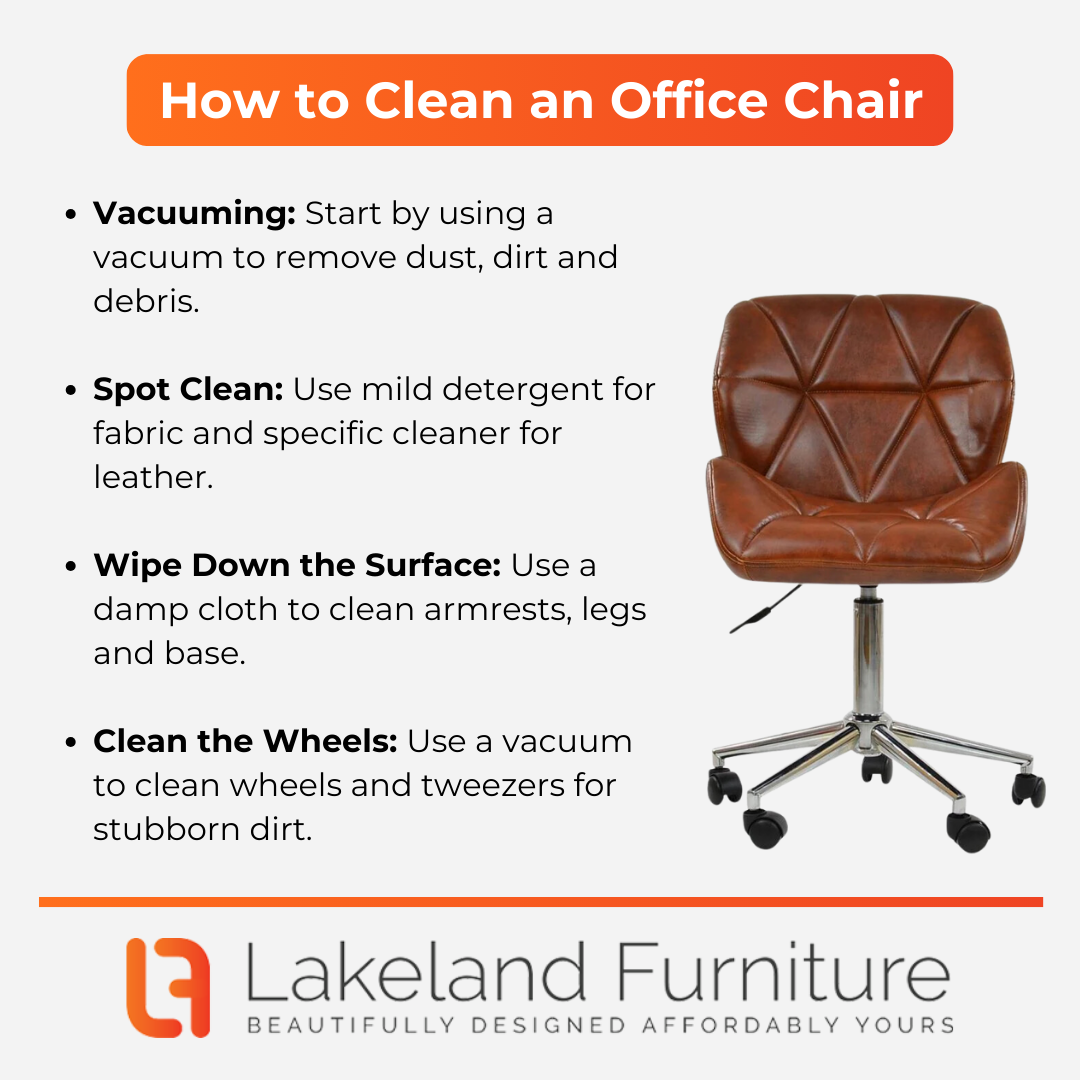
Credit: www.lakeland-furniture.co.uk
Mistakes To Avoid
It’s easy to damage leather with the wrong cleaning methods. Here are common mistakes:
- Using too much water: Excess water can seep into seams and cause the leather to warp or mildew.
- Harsh cleaners: Bleach, ammonia, and other strong chemicals break down leather’s surface.
- Skipping conditioning: Unconditioned leather dries out and cracks sooner.
- Scrubbing too hard: Leather is tough but can scratch easily.
- Ignoring sunlight: Placing your chair in direct sun for long periods fades and dries the leather.
Comparing Leather Cleaners
You might consider buying a leather cleaner. Here’s a simple comparison:
| Product Type | Pros | Cons |
|---|---|---|
| Soap & Water | Cheap, gentle, safe for most leather | May not remove tough stains |
| Commercial Leather Cleaner | Designed for leather, effective on stains | Can be expensive, must check ingredients |
| DIY (Vinegar Mix) | Natural, cheap, disinfects well | Can dry out leather if not followed by conditioner |
Always test any cleaner on a small, hidden part of the chair before using.

Credit: www.youtube.com
How To Protect Your Leather Office Chair
Cleaning is only half the battle. Protecting your chair keeps it looking good longer.
- Keep away from direct sunlight: Sunlight causes fading and drying. Place your chair where the sun doesn’t hit directly.
- Use a seat cover or throw: This is helpful if you eat at your desk often.
- Rotate usage: If you have more than one chair, rotate them to even out wear.
- Watch out for sharp objects: Keys, belt buckles, or scissors can scratch leather easily.
- Keep pets off: Pet claws and fur are tough on leather.
Leather Vs. Fabric Office Chairs
Many people wonder if leather is harder to clean than fabric. Here’s a quick look:
| Feature | Leather Chair | Fabric Chair |
|---|---|---|
| Spill Resistance | High—liquids wipe off easily | Low—liquids soak in |
| Cleaning Frequency | Monthly deep clean | Weekly vacuum, spot clean as needed |
| Stain Removal | Most stains removable if cleaned fast | Some stains permanent |
| Comfort (Heat) | Can feel warm in summer | Breathes better, cooler |
Leather is often easier to keep looking new, but needs conditioning.
When To Call A Professional
Most cleaning can be done at home, but in some cases, you might need professional help:
- Deep cracks or heavy stains that don’t come out with gentle cleaning
- Mold or mildew that returns after cleaning
- Restoring color to faded leather
Professionals have special tools and products to repair damage without making it worse.
Extra Tips Beginners Miss
Many first-time leather chair owners skip these important steps:
- Check for color transfer: If you wear dark jeans or clothes, color can rub off onto light-colored leather. Wipe the chair often to prevent stains from setting.
- Let conditioner fully absorb: After conditioning, wait a few hours before sitting to allow the leather to soak in the oils.
Leather furniture often comes with care guides—read them. Some warranties are void if you use the wrong cleaner.
Frequently Asked Questions
How Do I Know If My Office Chair Is Real Leather Or Fake?
Real leather feels soft, has natural grain and wrinkles, and smells “earthy. ” Faux leather is smoother, feels colder, and smells like plastic. Check the manufacturer’s label for details or look up the model online.
Can I Use Baby Wipes Or Alcohol Wipes On Leather Chairs?
It’s best to avoid them. Baby wipes and alcohol wipes often have chemicals that can dry out or damage leather. Stick to mild soap and water or a proper leather cleaner.
My Leather Chair Is Sticky—what Should I Do?
Stickiness is often from sweat or spilled drinks. Wipe with a damp cloth and mild soap, then dry completely. If it remains sticky, use a vinegar-water solution (equal parts), but always condition the leather after.
Can I Use Olive Oil Or Home Oils As Conditioner?
No. Kitchen oils like olive oil can go rancid, attract dust, and may stain leather. Use a product made specifically for leather conditioning.
Where Can I Learn More About Leather Care?
For more in-depth information, visit the Wikipedia page on leather care for research and expert tips.
Keeping a leather office chair clean is simple when you follow the right steps. With regular care and attention, your chair will stay comfortable, look great, and last for many years. Don’t be afraid—leather is stronger than it seems when treated right.
Related Office Guides
Continue with these related workspace guides: