
Looking at screens is now a big part of daily life. People work on computers, scroll on phones, and watch videos for hours. But there’s a quiet problem: too much screen time can hurt your eyes. Many people feel tired eyes, headaches, or blurry vision after long hours in front of screens. This is often called digital eye strain or computer vision syndrome.
Is there a way to protect your eyes? One nutrient is getting a lot of attention: lutein. Known as the “eye vitamin,” lutein is found in leafy greens, eggs, and some fruits. But can it really help protect your eyes from the blue light screens give off? Let’s dive deep into how lutein works, what science says, and how you can use it to keep your eyes healthy in a digital world.
What Is Lutein?
Lutein is a carotenoid, a type of natural pigment that gives color to plants like spinach and kale. It acts as an antioxidant, helping the body fight damage from light and pollution. In your eyes, lutein gathers in the macula, a small area in the retina that’s responsible for sharp vision.
But why does the eye need lutein? The macula uses lutein as a kind of shield against blue light and oxidative stress. Blue light comes from sunlight, but digital screens are a strong new source. Too much blue light can make eye tissues age faster. Lutein helps filter out some of this light before it does harm.
Why Are Screens Hard On Eyes?
Screens (like your phone, tablet, or computer) emit blue light. This high-energy light is not as strong as ultraviolet (UV) rays, but it goes deeper into the eye. Here’s what happens:
- Blue light scatters more than other types of light. This makes focusing harder and tires the eyes faster.
- Long exposure may increase the risk of macular degeneration, a leading cause of vision loss.
- Blue light affects sleep by confusing your body’s internal clock.
The average office worker spends over 7 hours a day in front of a screen. Children and teens also use screens more than ever. Even though screens are everywhere, most people don’t realize how much blue light their eyes are getting.
How Lutein Protects Your Eyes
Lutein’s main job is to absorb blue light and stop it from reaching the sensitive parts of the eye. Here’s how it works:
- Filters blue light: Lutein forms a yellow layer in the macula that absorbs blue wavelengths.
- Reduces oxidative stress: By acting as an antioxidant, lutein fights harmful molecules called free radicals, which can damage eye cells.
- Supports visual performance: Studies show lutein can improve contrast and reduce glare, which helps when reading screens.
This is why people call lutein “natural sunglasses” for your eyes.
How Much Lutein Do You Need?
Experts suggest 6–20 mg of lutein per day for eye health. Most people get much less—usually around 1–2 mg from food. This means many people might not have enough lutein to protect their eyes from today’s screen-heavy lifestyle.
Best Food Sources Of Lutein
Getting lutein from food is both safe and effective. Some foods are much richer in lutein than others. Here are top sources:
- Kale (raw): 40 mg per 100g
- Spinach (cooked): 12 mg per 100g
- Egg yolks: 0.3–0.5 mg per yolk
- Corn: 1.5 mg per 100g
- Peas: 2.5 mg per 100g
- Broccoli: 1.3 mg per 100g
Small amounts are also found in kiwi, grapes, and zucchini.
Lutein Content In Common Foods
| Food | Lutein (mg per 100g) |
|---|---|
| Kale (raw) | 40 |
| Spinach (cooked) | 12 |
| Egg yolk | 0.5 |
| Corn | 1.5 |
| Broccoli | 1.3 |
| Peas | 2.5 |
A practical tip: Lutein is fat-soluble. Adding a little olive oil to your salad or cooking veggies with healthy fat helps your body absorb more lutein.
Lutein Supplements: When And How To Use Them
Eating a balanced diet is the best way to get lutein, but not everyone eats enough greens. That’s where supplements come in. Lutein supplements are often combined with zeaxanthin, another carotenoid that protects the eye.
Before starting any supplement, it’s smart to speak with your doctor. Most lutein pills come in doses from 10–20 mg, which matches the amount used in research studies. Supplements can be helpful for:
- People who don’t eat many vegetables
- Older adults at risk for macular degeneration
- Those with eye strain from long screen use
A common beginner mistake is taking too much lutein. Your body can only use so much. More is not always better, and very high doses may cause skin yellowing (which goes away when intake is reduced).
Lutein Vs. Other Eye Supplements
There are many products for “eye health” on the market. Some have vitamin A, vitamin C, zinc, or omega-3s. But for screen protection, lutein and zeaxanthin have the strongest evidence.
| Supplement | Main Benefit | Best For |
|---|---|---|
| Lutein | Filters blue light, antioxidant | Screen users, aging eyes |
| Zeaxanthin | Protects macula | All ages |
| Vitamin A | Night vision | Vitamin A deficiency |
| Omega-3 | Reduces dry eye | Dry eye sufferers |
What Does Science Say About Lutein And Screens?
Many people want proof before trying new supplements. There is strong scientific support for lutein’s role in eye health:
- A 2021 review in Nutrients found that daily lutein can increase macular pigment optical density (MPOD)**, which helps filter blue light.
- Studies show that higher MPOD is linked to less eye strain, better contrast, and less glare.
- Research in office workers found that taking 12 mg lutein for 6 months reduced symptoms of tired eyes and improved visual performance.
One non-obvious insight: Lutein not only helps with physical eye health but may also improve visual processing speed. This means your brain interprets screen images more quickly, reducing fatigue.
However, no supplement can fully erase the effects of poor screen habits. Lutein works best as part of a bigger strategy.

Credit: www.ayudhan.com
How To Combine Lutein With Other Eye Protection Steps
Lutein is powerful, but it’s not magic. The best results come from combining lutein with healthy screen habits:
- Follow the 20-20-20 rule: Every 20 minutes, look at something 20 feet away for 20 seconds.
- Blink often: Screens lower your blink rate, which dries out the eyes.
- Adjust screen brightness: Make sure it matches the light in the room.
- Use blue light filters: Many devices now have “night mode” or blue-light-reducing apps.
- Keep screens at arm’s length: Too close means more strain.
- Take breaks: Stand up, stretch, and rest your eyes every hour.
A second insight: People often forget about lighting. Overhead glare or very dim rooms make screens harder to see, which increases strain—no matter how much lutein you take.
Who Should Consider Lutein For Screen Protection?
Lutein can help many groups, but some may benefit more:
- Students: Online classes mean more screen time for young eyes.
- Remote workers: Home offices are not always set up for eye comfort.
- Gamers: Hours of intense screen use can cause deep fatigue.
- Older adults: The natural lutein level in the eye drops with age.
If you have family history of eye disease or notice ongoing eye discomfort, lutein may be even more important.

Credit: gumazing.com
Are There Any Side Effects Or Risks?
Lutein is very safe when taken in normal amounts from food or supplements. Large studies show no serious side effects up to 20 mg/day. Rarely, people taking very high doses may notice their skin turning slightly yellow. This is harmless and goes away if you reduce the dose.
Lutein does not interact with most medicines. However, if you are pregnant, breastfeeding, or have a medical condition, it’s smart to ask your doctor before starting any new supplement.
Lutein In Everyday Life: Practical Tips
Getting enough lutein doesn’t have to be hard. Here’s how you can add it to your day:
- Add spinach or kale to smoothies, salads, or omelets.
- Replace iceberg lettuce with dark leafy greens.
- Snack on boiled eggs.
- Try corn or peas as side dishes.
- Consider a supplement if you don’t eat many vegetables.
Some people use mobile apps or reminders to track eye breaks and screen habits. This, combined with a lutein-rich diet, gives your eyes the best defense in the digital age.
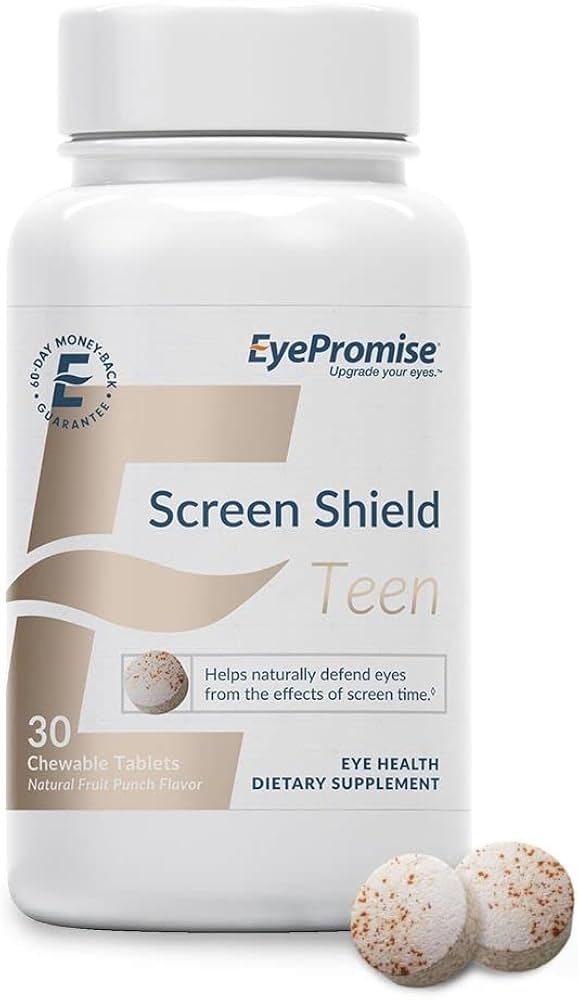
Credit: www.amazon.com
Are Blue Light Glasses Or Lutein Better?
People often ask if they should buy blue light blocking glasses or take lutein. The answer is: both can help, but they work differently.
| Method | How It Works | Best For |
|---|---|---|
| Blue light glasses | Blocks blue light outside the eye | Anyone, quick fix |
| Lutein | Filters blue light inside the eye | Long-term protection |
The best approach is to use both: glasses for immediate relief and lutein for lasting eye health.
Where To Learn More
If you want to read more about lutein, eye health, and digital screens, a good starting point is the Wikipedia page on Lutein. You’ll find references to scientific studies, food charts, and more details.
Frequently Asked Questions
What Is The Best Time To Take Lutein Supplements?
Lutein is best absorbed with a meal that contains some fat, like eggs or avocado. There’s no strict “best” time, but consistency helps.
Can Children Take Lutein For Screen Use?
Yes, but they need much less than adults. It’s best to get lutein from food first. Talk to a pediatrician before giving supplements to children.
How Long Before Lutein Starts Working?
Most studies show benefits after 4–12 weeks of daily use. For maximum effect, keep taking it regularly as part of your routine.
Is Lutein Only For People With Eye Disease?
No. Anyone who uses screens often can benefit, even if their eyes are healthy. Lutein is about protection, not just treatment.
Are There Other Nutrients That Help With Screen Eye Strain?
Yes. Zeaxanthin, omega-3 fatty acids, and vitamin C also support eye health. But for blue light from screens, lutein is the most researched.
—
As screens become an even bigger part of life, taking care of your eyes is more important than ever. Lutein offers a natural way to defend against digital eye strain and blue light. By combining lutein-rich foods, smart supplements, and healthy screen habits, you give your eyes the support they need—today and for the future.