
Keeping your office chair clean is more than just a matter of appearance. A well-disinfected chair can help reduce germs, prevent illness, and create a healthier work environment. Many people spend hours every day sitting in their office chairs, touching the armrests, adjusting the seat, and sometimes even eating at their desks.
All these habits can make your chair a hotspot for bacteria and viruses. But with the right methods, you can keep your chair fresh and safe for daily use.
Disinfecting an office chair is not as simple as spraying a cleaner and wiping it down. Different materials and parts need different care. There are also common mistakes that can ruin the chair’s fabric, fade colors, or even weaken its parts.
In this complete guide, you’ll discover how to disinfect your office chair the right way, step by step, including tips for different chair materials, the best disinfectants, and how to avoid damaging your chair. You’ll also learn about the hidden areas many people forget to clean, and how often you should disinfect for the best results.
Why Disinfecting Your Office Chair Matters
You might not realize it, but the average office chair can be dirtier than a toilet seat. Studies have found that office chairs and desks can have more than 21,000 germs per square inch. That’s because people touch their chairs constantly, and the fabric or mesh can trap sweat, skin cells, and food particles. If not cleaned regularly, these germs can cause allergies, skin rashes, or even spread colds and flu in the workplace.
A clean chair also lasts longer. Dust and dirt can wear down the fabric, stain the seat, and cause unpleasant odors over time. Plus, for anyone with allergies or asthma, a dirty chair can trigger symptoms and make it harder to focus at work.
Regular disinfection helps you stay healthy, comfortable, and productive.
Understanding Chair Materials: What You Need To Know
Before you start disinfecting, it’s important to know what your office chair is made of. Different materials need different cleaning methods. Using the wrong disinfectant can ruin fabric, fade leather, or crack plastic.
Here’s a quick look at the most common office chair materials:
| Material | Common Issues | Best Disinfectants |
|---|---|---|
| Fabric | Stains, odors, absorbs spills | Fabric-safe sprays, diluted alcohol |
| Mesh | Traps dust, hard to clean inside | Mild soap, alcohol wipes |
| Leather (real or faux) | Cracks, fades, sensitive to harsh chemicals | Leather cleaner, alcohol-free wipes |
| Plastic/Metal | Fingerprints, smudges, sticky residue | Disinfectant sprays, alcohol wipes |
Tip: Always check the manufacturer’s label under your chair before using any cleaning product. Some chairs have specific cleaning instructions or warnings against certain chemicals.
Credit: sihoooffice.com
What You Need: Tools And Products For Disinfection
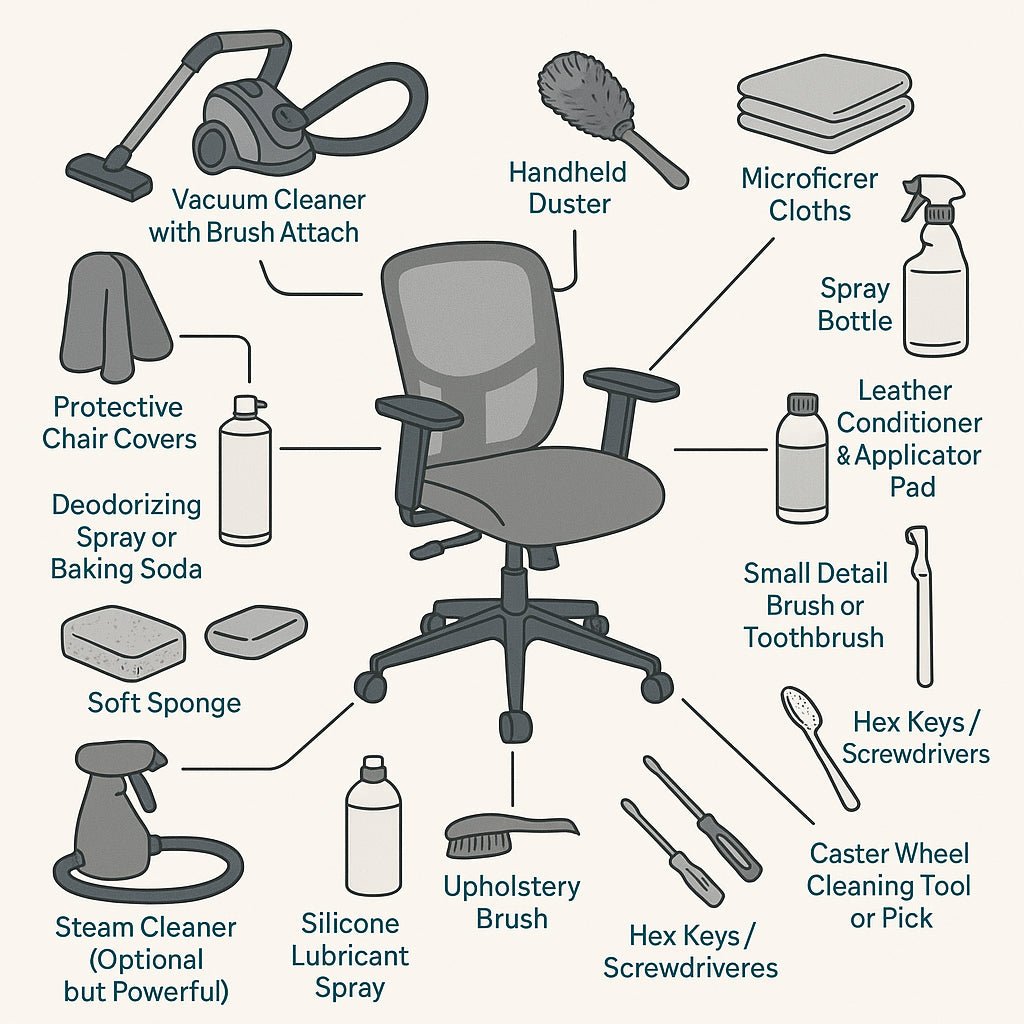
To disinfect your office chair safely and thoroughly, gather these essential items:
- Vacuum cleaner (with brush attachment): Removes dust and crumbs.
- Microfiber cloths: Soft, lint-free, and safe for most materials.
- Soft brush: For scrubbing fabric or mesh areas.
- Disinfectant spray: Make sure it’s suitable for your chair’s material.
- Alcohol wipes: At least 70% isopropyl alcohol for plastic, metal, or sturdy surfaces.
- Mild soap or dish detergent: For gentle cleaning.
- Spray bottle: For mixing diluted cleaners.
- Gloves: Protect your hands from chemicals.
- Bucket of warm water: For rinsing cloths.
Avoid using bleach, strong solvents, or rough sponges on office chairs—these can damage the chair and leave it looking worse than before.
Step-by-step Guide: How To Disinfect Office Chair
Disinfecting your office chair properly takes about 20–30 minutes, depending on how dirty it is. Here’s how you can do it:
1. Prepare Your Workspace
Move your chair to an open area with good airflow. Lay down a towel or plastic sheet if you’re worried about spills. Wear gloves to protect your hands from cleaning chemicals.
2. Remove Loose Dirt And Debris
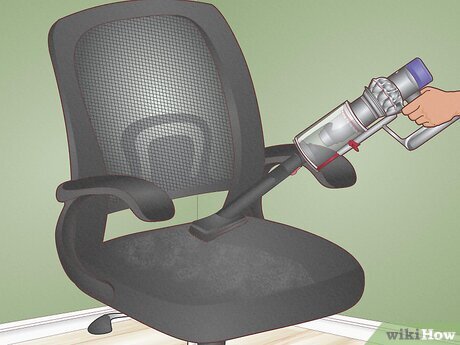
Use a vacuum cleaner with a brush attachment to remove dust, crumbs, and hair from all parts of the chair. Pay special attention to seams, crevices, and the area where the seat meets the backrest. This step prevents dirt from turning into mud during cleaning.
3. Spot Clean Stains
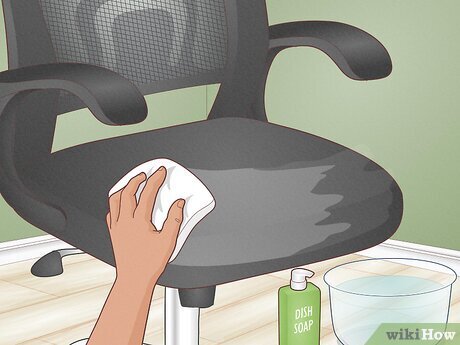
Check the seat, backrest, and armrests for any stains. Mix a small amount of mild soap with warm water. Dip a microfiber cloth in the solution, wring it out, and gently dab the stained area. For tough stains, use a soft brush and scrub lightly. Don’t soak the fabric—too much water can cause mold or mildew.
Non-obvious insight: Many people forget the bottom of the seat and the underside of armrests. These areas also collect dirt and germs, especially if you adjust your chair often.
4. Disinfect The Chair Surface
Choose the right disinfectant based on your chair’s material:
- For fabric or mesh, use a disinfectant spray labeled “fabric-safe” or make a solution of 70% isopropyl alcohol and water (1: 1 ratio). Lightly mist the chair, focusing on high-touch areas. Do not oversaturate.
- For leather or faux leather, use alcohol-free disinfectant wipes or a leather cleaner with antibacterial properties. Wipe all surfaces gently and dry with a clean cloth.
- For plastic and metal, use alcohol wipes or a standard disinfectant spray. Wipe down armrests, base, wheels, and adjustment levers.
Let the disinfectant sit for at least 5 minutes (or follow the product’s instructions) to kill germs effectively.
5. Clean And Disinfect Hidden Areas
Tilt the chair to access the bottom, wheelbase, and adjustment controls. Use a damp cloth and disinfectant on these spots. Wheels often pick up hair, dust, and even food crumbs, so it’s smart to wipe each wheel individually.
6. Rinse And Dry
After disinfecting, wipe the chair with a damp cloth (just water) to remove any leftover cleaner. This step is especially important for leather, as residue can cause cracking over time.
Allow the chair to air dry completely before sitting on it again. If possible, place it in a sunny spot—the UV light helps kill any remaining germs.
7. Deodorize And Freshen Up
If your chair still smells musty, sprinkle baking soda over the fabric, let it sit for 15 minutes, and vacuum it up. For leather, use a leather conditioner to restore shine and softness.
8. Reassemble And Inspect
Once dry, check that all parts are clean and working. Tighten screws if needed and adjust the chair for comfort. Your office chair is now safe, clean, and ready to use!
Special Tips For Different Chair Types
Not all chairs need the same cleaning approach. Here’s how to handle some common types:
Mesh Chairs
Mesh can trap dirt deep inside the holes. Use a soft brush to loosen dust, then vacuum. Don’t use too much water—mesh can stretch or sag if soaked.
Fabric Chairs
Always test your cleaner on a hidden area first. Use fabric-safe disinfectant and avoid scrubbing too hard. Deep stains might need a steam cleaner, but check the chair’s label first.
Leather Chairs
Use only leather-approved products. Alcohol can dry out and crack leather, while bleach can fade color. Finish by applying a leather conditioner.
Plastic And Metal Parts
These are the easiest to disinfect. Alcohol wipes or sprays work well, and they dry quickly. Don’t forget to clean the adjustment levers and the wheelbase.
How Often Should You Disinfect Your Office Chair?
The answer depends on your work environment:
- Home office: Disinfect once every two weeks, or more often if you eat at your desk or have pets.
- Shared office: Disinfect at least once a week. If you share your chair with others, clean it daily.
- During cold and flu season: Increase cleaning to two or three times per week.
If someone in your home or office is sick, disinfect the chair and other high-touch areas immediately after use.
Common Mistakes To Avoid
Many people mean well but make mistakes that can damage their chairs or fail to disinfect properly. Watch out for these pitfalls:
- Using too much water: This can cause mold, mildew, or rust, especially in fabric or mesh chairs.
- Choosing harsh chemicals: Bleach, acetone, and strong solvents can ruin upholstery or fade leather.
- Skipping hidden areas: Germs love the undersides, wheels, and adjustment levers.
- Not letting disinfectant sit: Wiping it off too soon means germs survive.
- Forgetting to dry completely: Sitting on a damp chair encourages bacteria growth and can damage the structure.
- Ignoring the manufacturer’s advice: Always check cleaning labels before starting.
Comparing Disinfectants: Which Is Best For Office Chairs?
Choosing the right disinfectant is key to both safety and effectiveness. Here’s a quick comparison:
| Disinfectant Type | Pros | Cons | Best For |
|---|---|---|---|
| Alcohol-based sprays (70%+) | Kills most germs, dries fast | Dries out leather, can fade colors | Plastic, metal, fabric (diluted) |
| Fabric-safe sprays | Safe for soft surfaces, gentle | May not kill all viruses | Fabric, mesh |
| Alcohol-free wipes | Safe for leather, gentle | May not be as powerful | Leather, faux leather |
| Bleach solutions | Very effective, cheap | Harsh, can damage most chairs | Rarely recommended |
Pro tip: If you are unsure, use a disinfectant spray marked “safe for upholstery” and always test on a hidden spot first.
Credit: www.wikihow.com
The Hidden Germ Zones Most People Miss
Even if you clean your chair often, you might be missing some key areas where germs hide:
- Under the armrests: Hands touch here often, but it’s easy to forget.
- Adjustment levers: These collect oils and bacteria from your hands.
- Wheelbase and casters: Hair, dust, and germs gather on wheels.
- Seams and stitching: Dirt gets trapped in tight seams and can be hard to remove.
Make it a habit to include these spots every time you disinfect.
Keeping Your Chair Germ-free Between Deep Cleans
Daily habits can help keep your office chair cleaner for longer:
- Wash your hands before and after using your chair.
- Avoid eating at your desk, or at least clean up crumbs and spills right away.
- Wipe high-touch areas (armrests, levers) with a disinfectant wipe daily.
- Use a removable chair cover and wash it weekly.
Non-obvious insight: Keeping the area around your chair clean—like your desk, keyboard, and floor—reduces the amount of dirt that ends up on your chair.
Credit: www.wikihow.com
Office Chair Disinfection: Frequently Overlooked Health Benefits
While most people focus on germs and illness, disinfecting your office chair has other health benefits:
- Reduces dust mites: Regular cleaning removes tiny bugs that cause allergies.
- Prevents skin irritation: Sweat and dirt can cause rashes or acne, especially in hot weather.
- Improves air quality: Less dust and bacteria in your chair means cleaner air in your workspace.
- Boosts mental focus: A fresh, clean chair can actually make you feel more productive and comfortable at work.
Professional Cleaning Vs. Diy: When To Call The Experts
For most people, regular DIY cleaning is enough. However, if your chair is stained, smells bad, or hasn’t been cleaned in a year or more, professional cleaning may be worth it.
Professional cleaners use steam, deep extraction, and specialized chemicals to remove deep dirt and bacteria. This is especially helpful for expensive chairs or those with delicate fabrics.
DIY cleaning is usually cheaper and faster, but may not remove deep stains or odors. For best results, combine regular DIY cleaning with a professional service once or twice a year.
If you want to learn more about the science of disinfection and recommended products, the Centers for Disease Control and Prevention (CDC) offers detailed guidance.
Cost And Time Comparison: Diy Vs. Professional Cleaning
Consider these differences if you’re deciding between cleaning your chair yourself or hiring a pro:
| Method | Average Cost | Time Needed | Effectiveness |
|---|---|---|---|
| DIY Cleaning | $5–$20 (for supplies) | 20–30 minutes | Good for regular maintenance |
| Professional Cleaning | $30–$100 per chair | 1–2 hours (including drying) | Best for deep stains, odors |
Signs Your Office Chair Needs More Than Just Disinfection
Sometimes, a chair is too far gone for cleaning alone. Look for these signs:
- Persistent odors even after cleaning
- Visible mold or mildew on fabric or mesh
- Large, deep stains that don’t come out with spot cleaning
- Worn or torn upholstery exposing padding underneath
- Broken parts that make the chair unsafe
If you notice any of these problems, consider replacing the chair or calling a professional for repair and deep cleaning.
How To Disinfect Office Chair In Shared Workspaces
Shared offices, coworking spaces, and hot desks need extra care. Here are some important tips:
- Disinfect chairs at the start and end of each workday.
- Provide disinfectant wipes and hand sanitizer for everyone.
- Post signs reminding workers to clean their chairs after use.
- Consider using removable, washable chair covers for high-traffic areas.
- Rotate chairs for deep cleaning on a regular schedule.
This not only keeps everyone healthy but also shows your team you care about their well-being.
Frequently Asked Questions
How Long Should The Disinfectant Stay On My Office Chair Before Wiping It Off?
Most disinfectants need at least 5 minutes of contact time to kill germs. Always read the label—some products require up to 10 minutes. Wiping too soon will reduce effectiveness.
Can I Use Bleach To Disinfect My Office Chair?
Bleach is not recommended for most office chairs. It can damage fabric, fade colors, and weaken materials. Use a fabric-safe disinfectant or diluted alcohol solution instead.
Is It Safe To Disinfect A Leather Office Chair?
Yes, but use alcohol-free disinfectant wipes or a leather cleaner. Alcohol and harsh chemicals can dry out and crack leather. Always finish with a leather conditioner.
How Do I Disinfect The Wheels And Base Of My Office Chair?
Wipe each wheel and the base with an alcohol wipe or disinfectant spray. Remove hair and dirt with a soft brush. Let everything dry before sitting on the chair.
How Often Should I Disinfect My Office Chair If I Work From Home?
Disinfect your chair every two weeks if you work from home. If you eat at your desk or have pets, clean it weekly. During cold and flu season, increase the frequency.
Keeping your office chair disinfected is a simple habit with big rewards. With the right tools and a little time, you’ll enjoy a cleaner, healthier workspace every day.
Related Office Guides
Continue with these related workspace guides: