
Sweat stains on chairs can be both embarrassing and difficult to remove. Whether you notice yellow marks on your office chair, fabric dining chair, or even your car seat, sweat stains can leave a lasting impression—literally. Many people try to clean these spots, but often, the stains return or become even more noticeable. If you want to keep your chair looking fresh and hygienic, you need to understand both why sweat stains occur and the right way to clean them.
Sweat stains are not just about water; they come from the mix of body oils, proteins, and minerals in your sweat. Over time, these elements soak into the chair’s fabric or material, making the stain stubborn and sometimes causing odor.
Removing the stain completely is not just about appearance, but also about hygiene, as sweat residue can attract bacteria and dust mites.
This guide will walk you through every step needed to remove sweat stains from any type of chair, from fabric to leather. You’ll learn what cleaning solutions really work, how to avoid common mistakes, and the best ways to keep stains from coming back.
Plus, you’ll find practical tips, data tables, and answers to the most common questions people have about sweat stains and chair care.
Understanding Sweat Stains On Chairs
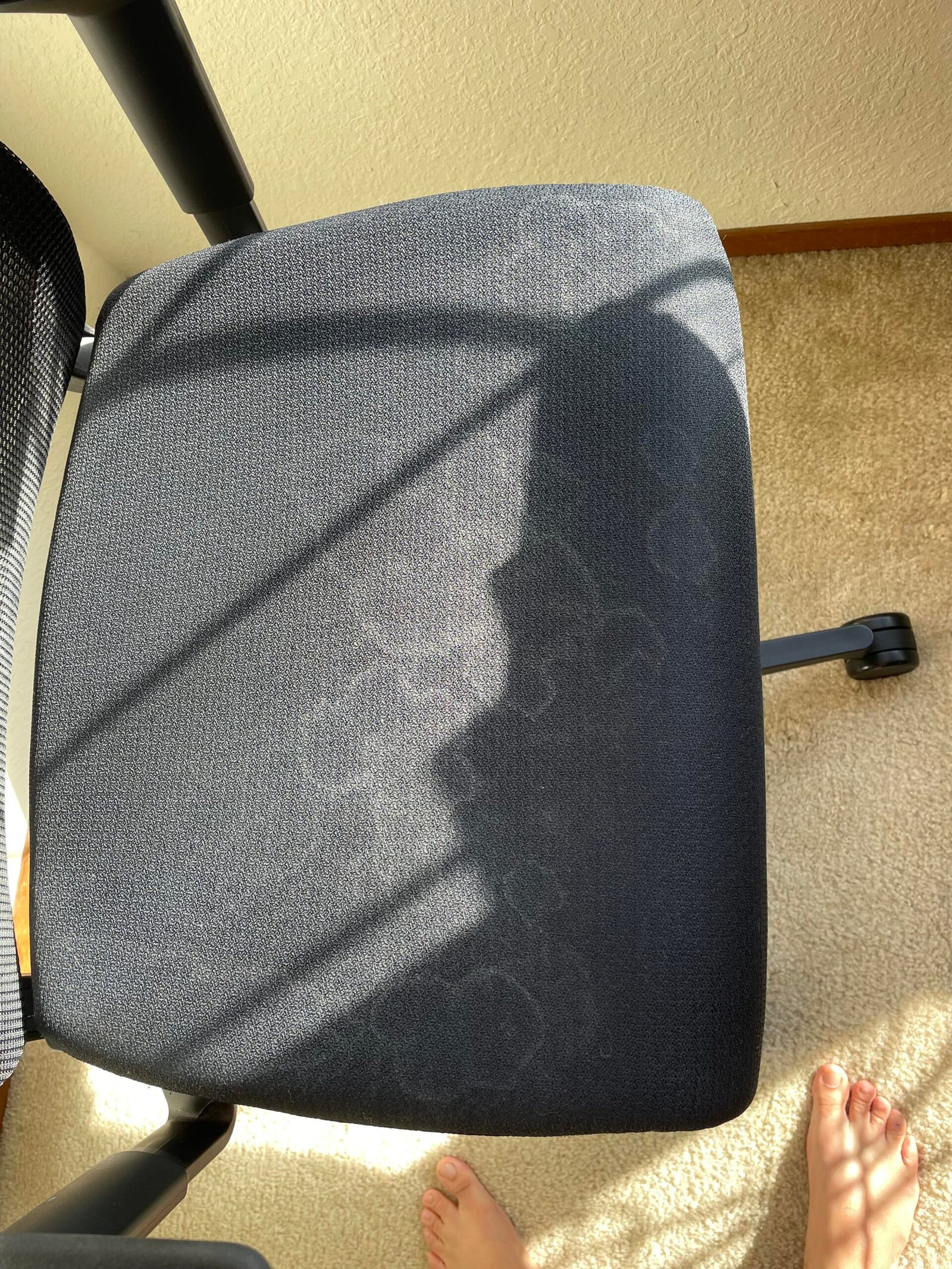
Sweat stains form when sweat from your body is absorbed by the chair’s surface. The problem is more common in hot climates, after exercise, or if you spend long hours sitting. The stains are often yellowish or dark, and sometimes they cause a musty smell.
Why Are Sweat Stains Hard To Remove?
Sweat contains urea, salts, and fatty acids. When these elements dry, they bond with the fibers or material of the chair. Regular soap and water often can’t break down these compounds. Over time, sweat stains can even weaken some fabrics or leave permanent discoloration.
Common Chair Types And Their Challenges
Let’s compare how sweat stains behave on different chair surfaces.
| Chair Material | Stain Appearance | Cleaning Difficulty |
|---|---|---|
| Fabric (cotton, polyester) | Yellow or dark patches | Medium to High |
| Leather or faux leather | Greasy spots, slight discoloration | Medium |
| Mesh | Light stains, spreads easily | Low to Medium |
| Wooden with cushion | Mostly on fabric cushion | Medium to High |
| Plastic | Rare, but possible oily film | Low |
Knowing your chair type helps you choose the best cleaning method.
Essential Tools And Supplies For Removing Sweat Stains
Before you start, gather the right supplies. The best cleaning methods use simple items, but each chair material needs special care.
- Mild detergent or upholstery shampoo
- White vinegar
- Baking soda
- Hydrogen peroxide (for light-colored fabrics)
- Soft-bristled brush or old toothbrush
- Clean microfiber cloths
- Spray bottle
- Vacuum cleaner with upholstery attachment
- Leather cleaner (for leather chairs)
- Distilled water (prevents mineral stains)
Avoid using bleach on colored fabrics, as it can cause fading or damage.
Step-by-step Guide: How To Remove Sweat Stain From Chair
1. Identify The Chair Material
Check what your chair is made of. Fabric, leather, mesh, and plastic all require different approaches. Look for care tags or manufacturer’s recommendations.
2. Vacuum The Chair
Remove loose dirt, dust, and debris. This step prevents rubbing dirt deeper into the fabric during cleaning.
- Use the upholstery attachment.
- Pay attention to seams and crevices.
3. Test Your Cleaning Solution
Mix a small amount of your chosen cleaner (detergent, vinegar solution, or leather cleaner) and test it on a hidden spot. Wait 10 minutes to check for color changes or damage.
4. Pre-treat The Stain
Dab—not rub—a small amount of the cleaner directly onto the sweat stain. For stubborn stains, sprinkle a little baking soda and let it sit for 15 minutes. Baking soda helps break down oils and removes odor.
5. Clean According To Material
For Fabric Chairs
- Mix 1 tablespoon mild detergent with 2 cups of warm water.
- Add 1 tablespoon white vinegar for extra cleaning power.
- Use a soft brush to gently scrub the stain in circular motions.
- Do not soak the fabric—excess water can cause mold.
For Leather Or Faux Leather
- Use a leather cleaner or mix a few drops of mild soap with distilled water.
- Dampen a cloth and gently wipe the stained area.
- Never use vinegar or baking soda on leather, as it can dry or damage the surface.
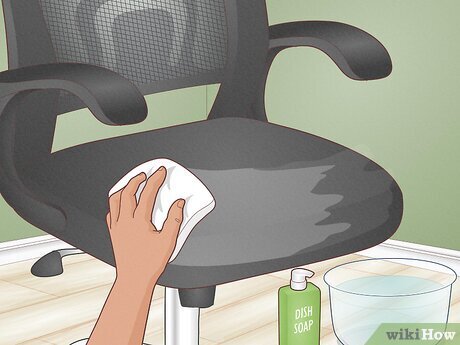
For Mesh Or Plastic
- Use the same detergent solution.
- Wipe with a cloth and rinse with a damp, clean cloth.
6. Rinse And Blot
After cleaning, use a clean, damp cloth to remove any soap or cleaner. Always blot, do not rub—this helps prevent spreading the stain.
7. Dry The Area
Air drying is best. Open windows or use a fan to help the chair dry faster. Avoid direct sunlight for colored fabric or leather, as it can cause fading.
How To Remove Old Or Stubborn Sweat Stains
If the stain has set for weeks or months, you need a stronger approach.
- Mix 1 part hydrogen peroxide, 1 part water, and a few drops of mild detergent.
- Apply this only to light-colored or colorfast fabrics (test first! ).
- Let the solution sit for 10–15 minutes.
- Scrub gently, then rinse with clean water and blot dry.
Hydrogen peroxide breaks down the proteins in sweat, but it can bleach dark fabrics, so be careful.
Credit: www.wikihow.com
Common Mistakes To Avoid
Many people make the stain worse by using the wrong methods. Here are some mistakes to avoid:
- Using hot water: This can set protein stains, making them permanent.
- Scrubbing hard: Aggressive scrubbing damages fibers.
- Skipping the test spot: Some cleaners cause discoloration.
- Applying too much water: This leads to mildew or deeper stains.
- Using the wrong cleaner: Bleach, ammonia, or harsh chemicals can ruin upholstery.
Practical Tips For Sweat Stain Prevention
To reduce sweat stains in the future, try these tips:
- Use a washable chair cover, especially during hot weather or workouts.
- Choose chairs with breathable materials like mesh, which dry faster.
- Shower and change clothes after exercise before sitting.
- Wipe down leather or plastic chairs regularly.
- Keep a small towel handy if you sweat a lot.
Credit: www.reddit.com
Professional Cleaning Vs. Diy: Which Is Better?
Sometimes, home cleaning isn’t enough. Here’s a quick comparison to help you decide.
| Method | Best For | Pros | Cons |
|---|---|---|---|
| DIY Cleaning | Fresh or minor stains | Low cost, quick, easy | May not remove deep stains |
| Professional Cleaning | Set-in or large stains, valuable chairs | Deep cleaning, safe for all materials | Expensive, needs appointment |
For expensive or antique chairs, or if the stain won’t budge, professional cleaning is the best choice.
How To Handle Sweat Odor
Sometimes, the stain is gone but the smell remains. Here’s how to tackle odor:
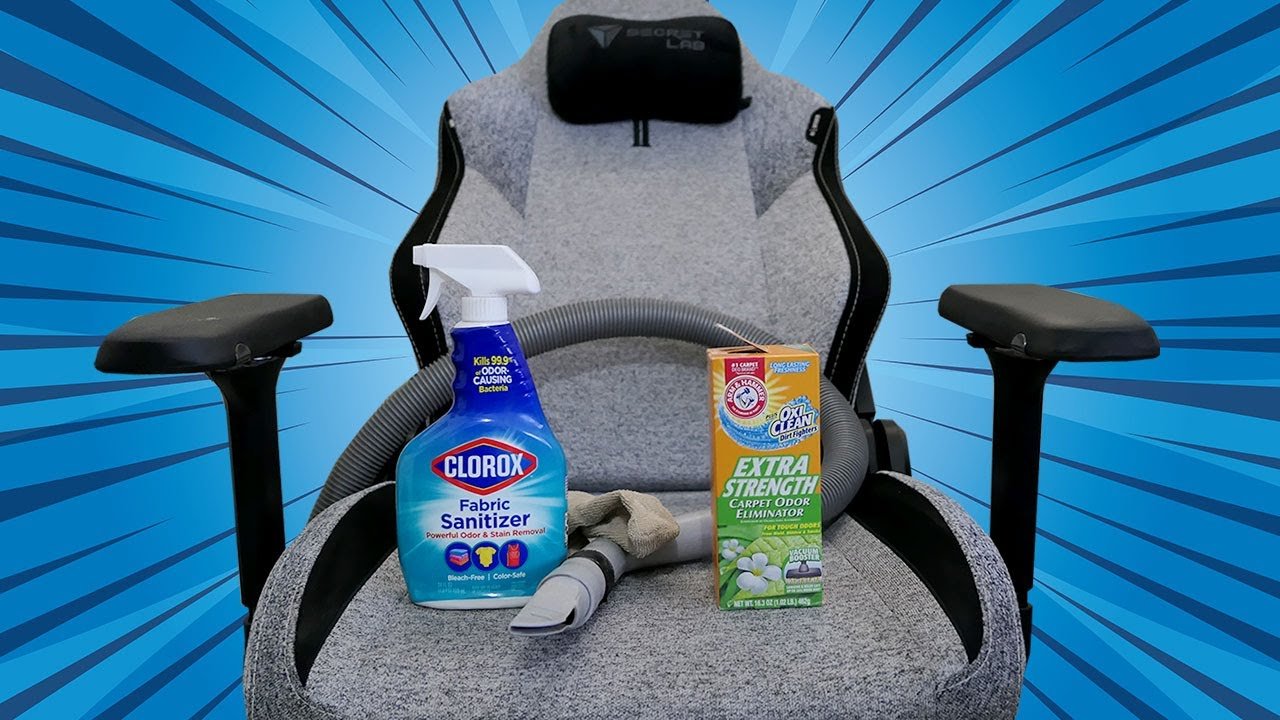
- Sprinkle baking soda over the clean, dry chair and let it sit overnight. Vacuum thoroughly.
- Use a fabric-safe deodorizer spray for persistent smells.
- For leather, wipe with a slightly damp cloth and let it air out.
Sweat odor is caused by bacteria, so regular cleaning is key.
Credit: www.youtube.com
Special Cases: Removing Sweat Stains From Office And Car Chairs
Office Chairs
Modern office chairs often use mesh or synthetic fabric. These dry quickly, but sweat can still leave marks.
- Remove any removable covers and wash them.
- Clean the frame and armrests, as these can also collect sweat.
Car Seats
Car seats, especially cloth ones, collect sweat easily—especially in summer.
- Use upholstery cleaner made for cars.
- Avoid soaking the seat, as moisture can damage the seat’s padding or electronics.
- Air out the car after cleaning.
Real-life Example: Successful Sweat Stain Removal
One user shared that after months of trying sprays and wipes on her fabric chair, she finally removed the stain using a mixture of baking soda and vinegar. She let the paste sit for 30 minutes, gently scrubbed, and then blotted it dry.
The stain faded completely after two attempts, and the odor disappeared. This shows that persistence and the right method can restore even stubborn stains.
How Often Should You Clean Your Chair?
Regular maintenance prevents stains from building up. Here’s a simple timeline:
- Weekly: Vacuum and wipe down surfaces.
- Monthly: Spot clean any marks or stains.
- Every 6 months: Deep clean or wash removable covers.
When To Replace Your Chair
If stains keep coming back, the padding smells bad, or the fabric is breaking down, it may be time to replace the chair. Old stains can attract bacteria, which is not healthy for long-term use.
Extra Insights Most People Miss
- Humidity makes stains worse. In humid climates, sweat stains can grow mold or mildew. Use a dehumidifier in your room if possible.
- Some stain removers can void your chair’s warranty. Always check the care label or warranty terms before using strong chemicals.
Where To Learn More
For a deeper understanding of fabric and upholstery care, visit Wikipedia’s upholstery page.
Frequently Asked Questions
How Do I Remove Sweat Stains From A Velvet Chair?
Velvet is delicate. Use a small amount of mild detergent mixed with water. Gently dab (do not rub) the stain with a microfiber cloth. Allow to air dry, and brush the fibers to keep them soft.
Can I Use Bleach To Remove Sweat Stains?
Bleach is not recommended for most chairs, especially colored or delicate fabrics. It can cause permanent discoloration and damage. Use hydrogen peroxide for light fabrics, and always test first.
What Is The Fastest Way To Dry A Chair After Cleaning?
Open windows or use a fan. For fabric chairs, avoid heat sources like hair dryers, as they can shrink fabric or set stains. For leather, let it air dry away from direct sunlight.
How Do I Get Rid Of Sweat Smell From A Chair?
Sprinkle baking soda over the affected area and leave it overnight, then vacuum. For deeper odor, use a fabric-safe deodorizer or let the chair air out in a well-ventilated space.
Are Sweat Stains Harmful To My Chair?
Over time, sweat stains can weaken fabric, cause odors, and even attract bacteria or dust mites. Regular cleaning keeps your chair hygienic and helps it last longer.
No matter the chair type, removing sweat stains is possible with the right approach. With regular care, your chair will look and smell fresh for years.
Related Office Guides
Continue with these related workspace guides: