
Choosing the right light for your desk can make a big difference in how you work, study, or relax. Many people wonder if they should use a daylight bulb or a warm white bulb for their desk lamp. The answer depends on your needs, the tasks you do, and even your mood. Both types of bulbs have their own strengths and weaknesses. This article will guide you through their differences, benefits, and how to pick the best one for your space.
What Is A Daylight Bulb?
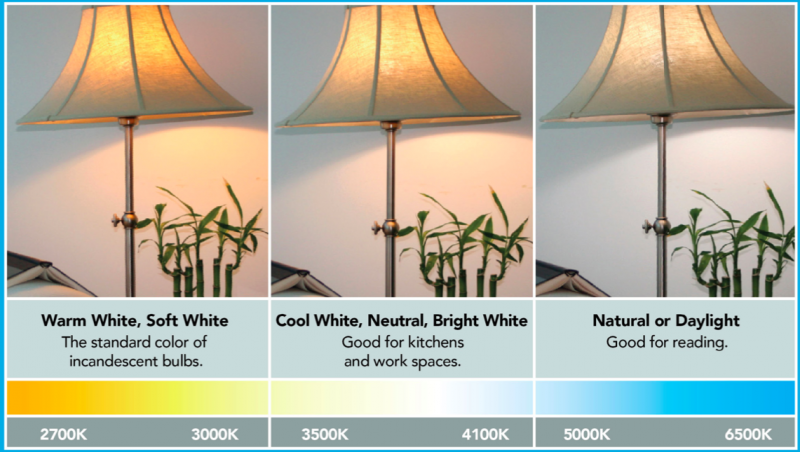
A daylight bulb aims to mimic the color of natural daylight. It usually has a color temperature between 5000K and 6500K (Kelvin). The light is bright, clear, and has a bluish-white tone. People often use daylight bulbs where they want to see colors accurately or need strong, focused light.
These bulbs are popular in:
- Offices
- Art studios
- Reading or study areas
- Makeup tables
Daylight bulbs help reduce eye strain during long tasks. The high color temperature keeps you alert and improves concentration.
What Is A Warm White Bulb?
A warm white bulb gives off a softer, yellowish light. Its color temperature is usually between 2700K and 3000K. This light feels cozy and inviting, similar to the glow of a candle or sunset.
Warm white bulbs are common in:
- Living rooms
- Bedrooms
- Dining areas
- Places where you want to relax
They create a calming mood, making them ideal for winding down after a long day.
Key Differences: Daylight Vs. Warm White
Understanding the main differences between these bulbs helps you choose wisely. Here is a simple comparison:
| Feature | Daylight Bulb | Warm White Bulb |
|---|---|---|
| Color Temperature | 5000K – 6500K | 2700K – 3000K |
| Light Color | Bluish-white | Yellowish-white |
| Best For | Focus, reading, work | Relaxing, ambiance |
| Mood Effect | Alert, energetic | Calm, comfortable |
| Eye Strain | Reduces during tasks | Reduces in the evening |
How Light Color Affects Productivity
The type of light you use can affect your brain and body. Daylight bulbs keep you alert and help you stay awake, which is why many offices use them. The bright, blue-white light signals your body that it’s daytime. This triggers hormones that keep you focused.
Warm white bulbs do the opposite. The soft yellow light tells your body to relax. It helps you unwind and prepares you for sleep. That’s why warm white bulbs are common in bedrooms and living rooms.
For desk work, ask yourself: Do you need focus or relaxation? Pick the bulb that matches your goal.
Credit: www.citizensutilityboard.org
When To Use Daylight Bulbs At Your Desk
Daylight bulbs are great when you need to see details clearly. Here are some situations where a daylight bulb is the best choice:
- Studying or Reading: The clear light makes text stand out and reduces eye fatigue.
- Working on Art or Design: Colors look true and accurate under daylight bulbs.
- Video Meetings: Your face appears brighter and colors are more natural.
- Small Tasks: Anything that requires seeing fine details—like sewing or model building.
Non-obvious Insight
Most people don’t realize that daylight bulbs can help with Seasonal Affective Disorder (SAD). If you work in a dark room, daylight bulbs can improve your mood by mimicking sunlight. This is especially useful during winter or in basements.
When To Use Warm White Bulbs At Your Desk
Warm white bulbs are better for relaxing activities. Consider a warm white bulb for your desk if you:
- Write by Hand: The soft light is gentle on the eyes.
- Journal or Reflect: Warm light creates a calm mood for thinking.
- Read Before Bed: It helps your body prepare for sleep.
- Want a Cozy Look: If your workspace is part of your living area, warm white blends better with home décor.
Non-obvious Insight
If you suffer from headaches or eye strain under bright lights, a warm white bulb can sometimes help. The lower color temperature is less harsh, especially at night.
Credit: www.amazon.com
Scientific Studies And Data
Research shows that light temperature impacts both productivity and well-being. According to a study by the American Society of Interior Designers, people working under daylight bulbs reported 12% higher concentration than those using warm white bulbs.
Another experiment from the Journal of Environmental Psychology found that:
- Daylight bulbs improved task speed by 8%
- Warm white bulbs reduced stress for 60% of users in the evening
This suggests that the best bulb depends on both the time of day and the type of task.
How To Choose The Right Bulb For Your Desk
To pick the right bulb, consider these factors:
- Purpose of Your Desk: If you do focused work, choose daylight. If you relax or read at night, choose warm white.
- Room Lighting: Mix with other lights in your room. Too much blue or yellow can look odd.
- Eye Sensitivity: Some people are more sensitive to bright light. Try both types for a few days.
- Color Rendering Index (CRI): Choose bulbs with a CRI above 80 for better color accuracy.
Here’s a quick guide:
| Activity | Best Bulb Type |
|---|---|
| Studying | Daylight |
| Drawing/Painting | Daylight |
| Writing Letters | Warm White |
| Evening Reading | Warm White |
| Video Calls | Daylight |

Credit: www.bhg.com
Desk Lamp Placement And Light Spread
Choosing the right bulb is only part of the story. Where you put your lamp also matters. Place your lamp so the light spreads evenly over your work area. If you’re right-handed, put the lamp on your left to avoid shadows.
The opposite goes for left-handed people.
Daylight bulbs are often brighter, so a shade or diffuser can help soften the light and prevent glare. For warm white bulbs, make sure the area is not too dim—your eyes still need enough light to avoid strain.
Impact On Sleep And Health
Light affects your sleep cycle. Daylight bulbs have more blue light, which can block melatonin—the hormone that helps you sleep. If you work late at your desk, switch to a warm white bulb in the evening. This simple change can help you fall asleep faster.
Some people are more sensitive to blue light. If you notice trouble sleeping, headaches, or dry eyes, try using warmer light after sunset.
Energy Use And Bulb Lifespan
Both daylight and warm white bulbs are available in energy-saving LED options. LEDs last much longer than old-style bulbs and use less electricity.
On average:
- LED daylight bulb: 15,000–25,000 hours
- LED warm white bulb: 15,000–25,000 hours
Their energy use is nearly the same, but check the packaging for lumen output (brightness). For desk work, 400–800 lumens is usually enough.
Color Rendering And Visual Tasks
A bulb’s Color Rendering Index (CRI) shows how well it displays colors. A CRI of 80 or above is good for most tasks. Artists or designers may want bulbs with a CRI of 90+ for best color accuracy.
Daylight bulbs usually have higher CRI ratings, making them better for art, makeup, or any work where true colors matter.
Smart Bulbs: A Flexible Solution
If you want the benefits of both, consider a smart LED bulb. These bulbs let you change the color temperature with your phone or remote. You can use daylight for work and switch to warm white for relaxation.
Smart bulbs are more expensive, but they can adapt to your routine. Some even let you set schedules to change color temperature automatically.
Practical Tips For Choosing And Using Desk Bulbs
- Try Both Types: Buy one of each and see which feels best for your eyes and tasks.
- Adjust as Needed: Use daylight bulbs during the day and switch to warm white in the evening.
- Combine with Natural Light: If possible, place your desk near a window and use bulbs to fill gaps.
- Avoid Overlighting: Too much bright light can cause glare and eye fatigue.
- Use Dimmable Bulbs: Adjust brightness to suit your needs at different times.
Real-world Examples
Anna, a graphic designer, uses a daylight bulb for her desk. She says, “It’s the only way I can see colors correctly when editing photos.”
Mark, a university student, uses daylight bulbs for studying but switches to warm white when reading at night. “I sleep better and get less eye strain,” he explains.
Sara, who journals every evening, prefers warm white for its cozy feeling. She noticed her headaches stopped after switching from a daylight bulb.
Cost Comparison
In most cases, daylight and warm white LED bulbs are priced the same. Specialty bulbs (like smart or high-CRI) may cost more. Here’s a basic cost idea:
| Bulb Type | Average Price (USD) |
|---|---|
| Standard LED Daylight | $3 – $8 |
| Standard LED Warm White | $3 – $8 |
| Smart LED (Tunable) | $10 – $25 |
| High-CRI LED | $7 – $15 |
Prices change based on brand, features, and where you live.
Common Mistakes To Avoid
- Ignoring Color Temperature: Don’t just buy the cheapest bulb—check the Kelvin value.
- Too Much Brightness: More lumens aren’t always better. Too bright can be uncomfortable.
- Wrong Placement: Bad lamp position can cause shadows or glare, no matter the bulb type.
- Mixing Temperatures: Using both daylight and warm white bulbs in the same space can look strange.
- Not Considering Routine: If you use your desk at different times, a smart bulb may be worth the investment.
Final Thoughts
Choosing between a daylight bulb and a warm white bulb for your desk is about matching light to your needs. Daylight bulbs are best for focus, detail work, and staying alert. Warm white bulbs are better for comfort, relaxation, and evening use. If you’re unsure, try both or consider a smart bulb for flexibility. Good lighting can improve your productivity, mood, and even your sleep.
For more on how lighting affects daily life, you can visit the Wikipedia page on color temperature.
Frequently Asked Questions
What Is The Main Difference Between Daylight And Warm White Bulbs?
The main difference is the color temperature. Daylight bulbs produce a bluish-white light (5000K–6500K) similar to natural sunlight. Warm white bulbs create a yellowish, cozy glow (2700K–3000K) like evening light.
Which Bulb Is Better For Studying At A Desk?
A daylight bulb is usually better for studying. It keeps you alert and helps you see text and colors clearly. However, if you study late at night, consider switching to warm white to avoid sleep problems.
Will A Warm White Bulb Make My Desk Area Look More Relaxing?
Yes, a warm white bulb creates a calm and comfortable atmosphere. It’s perfect if your desk is in your bedroom or living room and you want a cozy feeling.
Are Daylight Bulbs Bad For Sleep?
Daylight bulbs have more blue light, which can block sleep hormones if used late at night. Use warm white bulbs in the evening to avoid sleep issues.
Can I Use Smart Bulbs To Switch Between Daylight And Warm White?
Absolutely! Smart bulbs let you change color temperature from your phone or remote. This flexibility is great if you use your desk for both work and relaxation.