
Every day, millions of people spend long hours inside office buildings. While we often think about desks, computers, or coffee breaks, many ignore a quiet but important factor: office air quality. The air you breathe at work can affect your health, focus, and even how well you do your job. Poor indoor air can lead to headaches, tiredness, and allergies. In some cases, it may even trigger long-term health problems. But the good news is, you can take simple steps to improve the air at your workplace and make it a safer, more comfortable place for everyone.
This guide gives you practical, proven ways to boost air quality in offices—whether you’re an employee, office manager, or business owner. You’ll learn not only the basics, but also smart tips and common mistakes to avoid. Let’s explore how cleaner air can make your workday better.
Why Office Air Quality Matters
Many people think air pollution only happens outdoors, but the air inside offices can sometimes be worse. The U.S. Environmental Protection Agency (EPA) found that indoor air can be 2 to 5 times more polluted than outdoor air. Poor air quality affects workers in three main ways:
- Health problems: Headaches, coughing, sneezing, itchy eyes, and sore throats are common. Long-term exposure can cause asthma or other breathing issues.
- Productivity: Studies show that poor air leads to more sick days and lower work performance.
- Comfort and morale: Unpleasant smells, stale air, or temperature swings can make people feel uncomfortable and stressed.
Non-obvious insight: Even if you don’t see dust or smell anything bad, the air could still have invisible pollutants like volatile organic compounds (VOCs) or germs.
Common Sources Of Indoor Air Pollution In Offices
To improve air quality, you first need to know where problems start. Here are the most frequent sources of pollution in offices:
- HVAC systems: Old or dirty heating and cooling systems can spread dust, mold, or bacteria.
- Office equipment: Printers, copiers, and computers can release ozone and VOCs.
- Cleaning products: Many contain chemicals that become airborne.
- Building materials: Carpets, paint, and furniture may release gases for years.
- People: Humans bring germs, pollen, and even dust on their clothes and shoes.
- Outdoor air: Polluted city air can come inside through windows and doors.
Example: A new carpet may seem harmless, but it can release formaldehyde for several months after installation.
20 Office Air Quality Tips
You don’t need expensive equipment or major renovations to breathe easier at work. Here are 20 practical ways to improve office air quality:
1. Maintain Hvac Systems Regularly
Your heating, ventilation, and air conditioning (HVAC) system is the lungs of your building. Schedule professional maintenance at least twice a year. Change filters every 1-3 months, depending on use.
Practical tip: Use high-efficiency particulate air (HEPA) filters for the best results. A dirty filter can spread more dust than it removes.
2. Use Air Purifiers
Portable air purifiers with HEPA and activated carbon filters can remove small particles and odors. Place them in areas with printers, break rooms, or where people gather.
Non-obvious insight: Not all purifiers are equal. Check the “Clean Air Delivery Rate” (CADR) to match the purifier size to your room.
3. Keep Humidity Between 30% And 50%
Low humidity dries out your skin and throat. High humidity can grow mold and dust mites. Use a digital hygrometer to monitor moisture levels.
Tip: If humidity is too high, use a dehumidifier. Too low? Add a humidifier or keep a bowl of water near heat sources.
4. Open Windows When Possible
If outdoor air quality is good, open windows for a few minutes each day. Fresh air helps dilute indoor pollutants.
Warning: Don’t open windows during rush hour or pollen season if allergies are a concern.
5. Limit Use Of Scented Products
Air fresheners, candles, and plug-ins may smell nice but often contain VOCs. Choose fragrance-free cleaning and personal products.
Practical tip: If you must use scents, try natural options like essential oils in moderation.
6. Clean And Vacuum Often
Regular cleaning removes dust, pollen, and germs. Use vacuums with HEPA filters. Wipe surfaces with damp cloths to avoid stirring up dust.
Non-obvious insight: Don’t forget blinds, vents, and behind equipment—these spots collect hidden allergens.
7. Choose Low-voc Office Supplies
Pick paints, glues, and markers labeled “low-VOC” or “VOC-free. ” Office furniture can also emit chemicals, so look for certifications like GREENGUARD.
Example: Some dry-erase markers release strong fumes—choose water-based versions when possible.
8. Add Indoor Plants
Certain indoor plants can absorb toxins and release oxygen. Good options include spider plants, peace lilies, and snake plants.
Tip: Plants also reduce stress and increase humidity. Make sure to avoid overwatering to prevent mold.
9. Control Dust At Entryways
Place large, washable mats at all entrances. This stops dirt and pollen from getting tracked inside.
Practical example: Ask staff to wipe feet or even change shoes when entering the main workspace.
10. Monitor Co2 Levels
High carbon dioxide (CO2) can make people sleepy and unfocused. Use a CO2 monitor to check levels, especially in meeting rooms.
Guideline: Aim to keep CO2 below 1,000 parts per million (ppm) for alertness and comfort.
11. Fix Leaks And Prevent Mold
Damp spots or leaks can quickly grow mold, which is hard to remove and can harm health. Check under sinks, around windows, and in ceiling tiles for water damage.
Tip: If you find mold, clean small areas with detergent and water. For larger problems, call professionals.
12. Encourage Desk Organization
Clutter collects dust and makes cleaning harder. Encourage everyone to tidy desks regularly and avoid piles of paper or old equipment.
Non-obvious insight: Clean desk policies not only boost air quality, but also reduce fire risks.
13. Store Chemicals Safely
Keep cleaning products, paints, and other chemicals in a well-ventilated storage room with a tight door. Never store them near air intakes or vents.
Tip: Train staff on correct handling and never mix chemicals.
14. Schedule Deep Cleaning
Besides daily cleaning, arrange for deep cleaning quarterly or twice a year. This includes carpet shampooing, vent cleaning, and washing windows.
Example: Offices with lots of visitors may need more frequent deep cleans.
15. Manage Food And Waste Properly
Food scraps attract pests and can create bad odors. Use sealed trash cans, empty them daily, and clean kitchen areas often.
Tip: Encourage staff to label and regularly clear out food from the fridge.
16. Ban Smoking Indoors
This may sound obvious, but cigarette smoke is one of the worst indoor air pollutants. Even “vaping” releases chemicals into the air.
Guideline: Set up designated smoking areas far from doors and windows.
17. Use Exhaust Fans
Bathrooms, kitchens, and copy rooms should have exhaust fans to remove moisture and fumes. Make sure fans vent to the outside, not just the ceiling.
Example: If you notice lingering smells, check if the fan is working or needs cleaning.
18. Test For Radon And Asbestos
Radon is a radioactive gas that can enter ground-floor offices. Asbestos is found in old building materials. Both are dangerous but invisible.
Action: Hire professionals to test for these risks, especially in older buildings.
19. Educate Employees
Training staff on air quality helps everyone. Share tips, post reminders, and explain why good air matters.
Practical tip: Create a simple checklist for everyone to follow.
20. Monitor And Review Regularly
Keep a log of air quality checks, filter changes, and any complaints. Review every few months and update your plan as needed.
Non-obvious insight: Involve staff in the process—they may spot problems you miss.
Comparing Air Purifier Types For Offices
Choosing the right air purifier can be confusing. Here’s a comparison of popular types for office use:
| Type | Removes | Best For | Drawbacks |
|---|---|---|---|
| HEPA Filter | Dust, pollen, pet dander | General office use | Does not remove odors or gases |
| Activated Carbon | Odors, VOCs, smoke | Printer/copier rooms | Needs regular replacement |
| UV-C Light | Bacteria, viruses | Healthcare settings | Less effective on dust; bulb needs changing |
Tip: For most offices, a combination of HEPA and activated carbon works best.
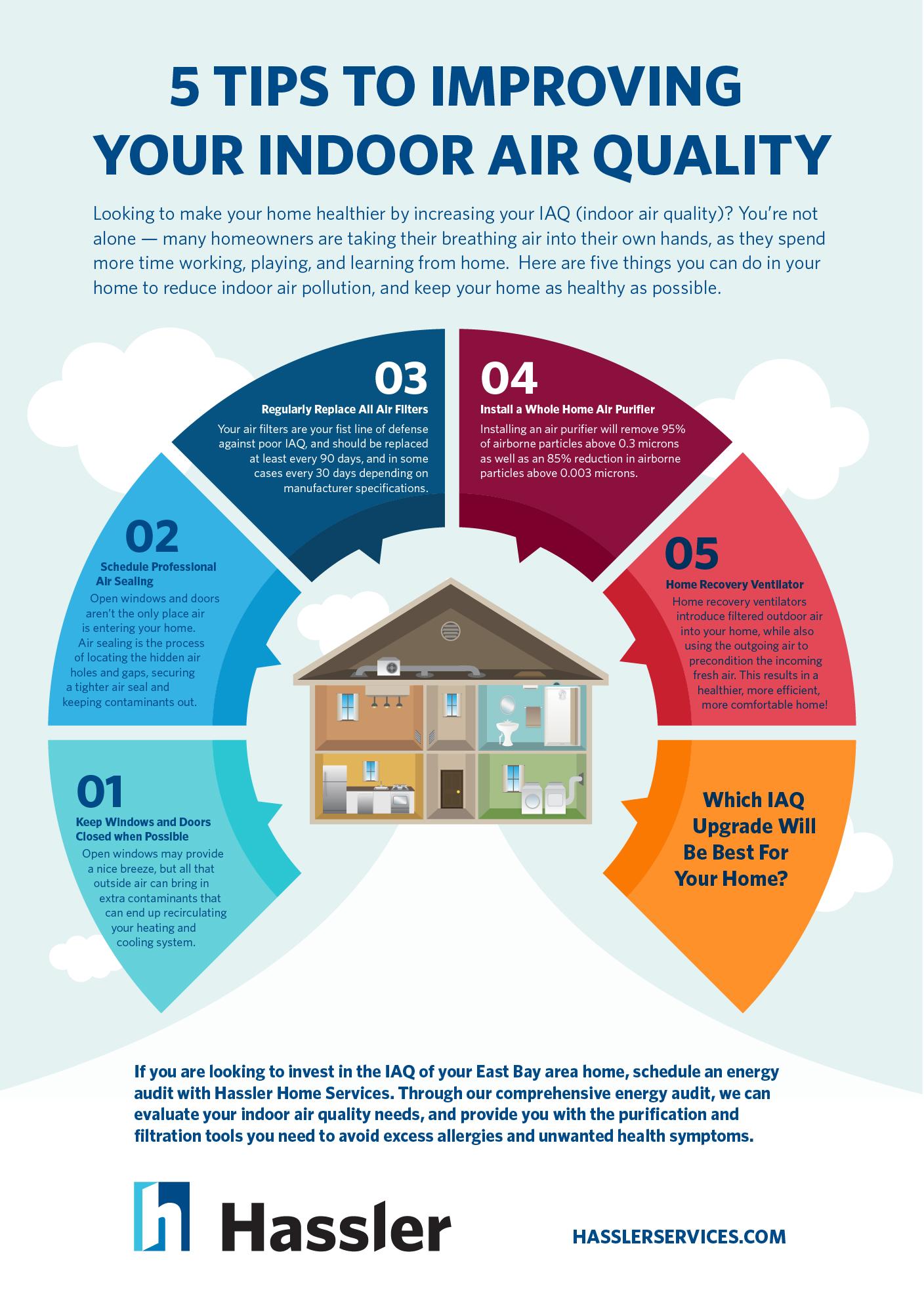
Credit: www.hasslerheating.com
Key Metrics: How To Measure Office Air Quality
Understanding air quality numbers helps you know what to improve. Here are important metrics and their healthy ranges:
| Pollutant | Safe Range | Common Sources | Health Effects |
|---|---|---|---|
| CO2 | < 1,000 ppm | People, combustion | Drowsiness, poor focus |
| PM2.5 | < 12 μg/m³ | Dust, smoke, printers | Asthma, lung issues |
| VOCs | < 500 μg/m³ | Paints, cleaners, plastics | Headaches, nausea |
| Humidity | 30-50% | Climate, leaks | Dry skin, mold |
Practical tip: You can buy smart air quality monitors that track several of these pollutants at once.
How Office Layout And Design Affect Air Quality
The way your office is set up can impact air movement and pollution. Here’s how layout and design choices matter:
- Open-plan offices: These can spread germs faster if not ventilated well. Use partitions and space desks apart.
- Cubicles: They trap dust and limit airflow. Make sure vents aren’t blocked by partitions or furniture.
- Conference rooms: These small, closed spaces need extra ventilation, especially during long meetings.
- Plants and decor: While plants help, too many decorations can collect dust.
Tip: When moving furniture, check that air vents are open and nothing blocks them. Even a bookshelf in front of a vent can affect air circulation.

Credit: www.protectenvironmental.com
Special Considerations For Different Office Types
Not all offices are the same. Here’s what to consider in specific settings:
Small Offices
- Portable purifiers often work well.
- Cleaning can be simpler, but one sick person can affect everyone quickly.
Large Open Offices
- Central HVAC systems need more frequent checks.
- Consider “zoning” ventilation to match busy and quiet areas.
Shared Office Spaces (co-working)
- More people means more germs and allergens.
- Set clear rules about cleaning and food storage.
Offices In Urban Areas
- Traffic pollution and outdoor dust can enter through windows.
- Use entryway mats and check air filters more often.
Common Mistakes That Worsen Office Air Quality
Many offices make simple errors that undo their good efforts. Avoid these:
- Ignoring filters: Not changing HVAC or purifier filters on time.
- Blocking vents: Placing furniture or papers in front of air vents.
- Using strong chemicals: Over-cleaning with harsh products.
- Neglecting humidifiers: Forgetting to clean them, which can breed bacteria.
- Relying only on scents: Masking odors instead of solving their cause.
Non-obvious insight: Scented sprays may hide bad smells, but they add more chemicals and don’t fix the problem.
The Role Of Technology In Monitoring Air Quality
Smart technology now makes it easier to track air quality in real time. Devices can measure CO2, dust, and VOCs. Some even alert you by phone when levels are too high.
- Example: A smart monitor detects high CO2 in a packed meeting room and reminds you to open a window.
- Benefit: Data helps you spot patterns—like which rooms get stuffy fastest or when cleaning is needed.
You can explore more about indoor air monitoring at this EPA resource.
Employee Involvement: Building A Healthier Office Together
Air quality is everyone’s responsibility. Encourage staff to:
- Speak up about air problems (like strange smells or stuffiness)
- Keep workspaces clean and tidy
- Follow guidelines for food, cleaning, and scents
- Suggest improvements—they may have ideas you haven’t considered
Tip: Make air quality a regular topic in meetings. Small changes often start with one person’s suggestion.
Real-world Example: An Office Success Story
A mid-size marketing firm in a busy city suffered from staff complaints—headaches, tiredness, and frequent colds. They started by:
- Upgrading to HEPA HVAC filters
- Setting up CO2 monitors in meeting rooms
- Banning strong-smelling cleaning products
- Adding plants and portable air purifiers
Within 3 months, sick days dropped by 20%. Staff reported feeling more alert, and several commented on the “fresher” air. The firm saved money on healthcare costs and saw better productivity. This shows that even simple steps can make a big difference.
Frequently Asked Questions
What Is The Biggest Cause Of Poor Office Air Quality?
The most common cause is poor ventilation, often made worse by dirty HVAC systems or blocked air vents. Other big contributors include office equipment emissions and cleaning chemicals.
How Often Should Hvac Filters Be Changed?
Most office filters should be changed every 1-3 months. In areas with heavy dust or pollution, monthly changes are best. Always check the manufacturer’s guidelines.
Are Air Purifiers Worth The Investment For Offices?
Yes, especially in high-traffic areas or rooms with printers and copiers. Choose purifiers with HEPA and activated carbon filters for the best mix of dust and odor removal.
Can Indoor Plants Really Improve Air Quality?
Some plants, like spider plants and peace lilies, can absorb small amounts of toxins and add humidity. But they can’t replace good ventilation or cleaning. Use plants as a helpful extra, not your main solution.
How Can I Tell If My Office Has A Serious Air Quality Problem?
Look for signs like frequent headaches, allergies, or musty smells. Air quality monitors can give specific numbers for CO2, dust, and VOCs. If you suspect mold, radon, or asbestos, call professionals for testing.
Cleaner office air means healthier, happier, and more productive people. By following these tips and making air quality a team effort, you can create a workspace where everyone breathes easier—and works better.

Credit: www.jacionline.org