
An office chair is more than just a place to sit—it’s an essential tool for daily productivity and comfort. Many people spend over eight hours a day in their office chairs, but few realize that regular care can make a big difference. A well-maintained office chair not only lasts longer but also supports good posture and reduces the risk of back pain or discomfort. Neglecting maintenance can lead to squeaks, broken wheels, stained fabric, or even a wobbly seat. The good news is that maintaining your office chair is simple when you know what to do.
In this guide, you’ll learn the complete process for keeping your office chair in top shape. We’ll cover cleaning, repairs, safety checks, and even tips that most users overlook. Whether your chair is brand new or has seen years of use, these steps will help you get the best out of your investment.
Why Office Chair Maintenance Matters
A clean and well-kept chair is not just about looks. It’s about health, safety, and cost savings. According to the Occupational Safety and Health Administration (OSHA), poor seating can lead to musculoskeletal disorders, reducing productivity and increasing sick days. A maintained chair helps you avoid:
- Back and neck pain from poor support
- Noise problems like squeaks or rattles that disturb focus
- Unexpected breakdowns that can cause accidents
- Expensive replacements before the chair’s lifespan is over
Regular upkeep extends the life of a typical office chair from 5 years to 8 years or more, saving hundreds of dollars over time.
Understanding Your Office Chair: Types And Materials
Before you start maintenance, it’s useful to know what kind of chair you own. Chairs come in different types and materials, and each requires specific care.
| Chair Type | Main Material | Care Focus |
|---|---|---|
| Task Chair | Fabric/Plastic | General cleaning, fabric care |
| Executive Chair | Leather | Leather conditioning |
| Mesh Chair | Mesh/Fabric | Dust removal, gentle washing |
| Ergonomic Chair | Mixed | All-round checks, adjustment care |
Insight: Many users overlook that the material affects cleaning methods. For example, water can damage leather but is safe for mesh or plastic.
Regular Cleaning Routines
Dirt, sweat, and food crumbs can all collect on your chair. Over time, these can cause odors, stains, and even wear out the fabric or leather. A consistent cleaning routine is the key to a fresh chair.
Cleaning Fabric And Mesh Chairs
1. Vacuum Weekly
Use a vacuum with a brush attachment to remove dust and crumbs from the seat, backrest, and under the cushion.
2. Spot Clean Stains
Mix mild detergent with warm water. Dampen a soft cloth and blot the stain. Avoid soaking the fabric, as too much water can cause mold or mildew.
3. Deep Clean Monthly
Spray a fabric cleaner (approved for your chair material) and gently scrub with a soft brush. Let it air dry completely.
Tip: Always test a cleaning solution on a hidden area first to avoid discoloration.
Cleaning Leather Chairs
1. Wipe Down Weekly
Use a dry, soft cloth to remove dust.
2. Clean With Leather Cleaner
Every month, apply a small amount of leather cleaner using a microfiber cloth. Rub gently in circles.
3. Condition The Leather
Apply leather conditioner every 3-6 months to keep the surface soft and prevent cracks.
Insight: Many owners forget to condition leather, leading to early cracking and loss of shine.
Cleaning Plastic And Metal Parts
- Wipe with a damp cloth using mild soap.
- Dry immediately to prevent rust on metal parts.
- Avoid harsh chemicals that can damage finishes.
Checking And Tightening Screws And Bolts
Loose screws are a common cause of squeaks and instability. Every few months, inspect all screws, bolts, and fasteners.
- Check under the seat, armrests, and backrest.
- Use the correct screwdriver or Allen key to gently tighten any loose parts.
- Do not overtighten, as this can strip the threads.
Practical Example: If your chair wobbles, tightening the base bolts often solves the problem instantly.
Caring For Casters And Wheels
Office chair casters collect hair, dust, and dirt, which can make movement difficult. Clean wheels every 2-3 months:
- Flip the Chair Over
- Remove the Wheels (if possible)
- Most wheels pull out with a firm tug; some need a screwdriver.
- Clean Off Debris
- Use tweezers or a small brush to remove hair and dust.
- Wipe with a damp cloth.
- Lubricate the Axles
- Apply a drop of silicone spray or WD-40 for smooth rolling.
- Reattach Wheels
| Common Issue | Solution |
|---|---|
| Stuck wheels | Remove debris, lubricate axle |
| Uneven rolling | Replace damaged wheel |
Beginner Mistake: Many users forget to check wheels, leading to rough movement and scratches on the floor.
Gas Lift And Height Adjustment Maintenance
The gas lift allows height adjustment. If the chair sinks or will not hold position, the gas cylinder may be failing. To care for it:
- Clean dust from the cylinder with a dry cloth.
- Avoid sitting down heavily, as this can damage the mechanism.
- If adjustment is stiff, spray silicone lubricant on the moving part (never use grease).
- If the chair will not stay up, the gas lift may need to be replaced—most are user-replaceable.
Non-obvious Tip: Never use oil-based lubricants on gas lifts—they attract dust and can degrade seals.
Armrest And Headrest Care
Armrests and headrests support your arms and neck. Sweat, oils, and pressure can cause wear.
- Wipe plastic or PU armrests with a damp cloth weekly.
- For padded rests, spot clean using mild detergent.
- Check for loose screws or wobbly pads and tighten as needed.
- For adjustable armrests, clean joints and apply a silicone spray for smooth movement.
Common Error: Ignoring armrest screws, which leads to loose or noisy armrests over time.
Preventing And Treating Squeaks
A squeaky chair is annoying but usually easy to fix.
- Identify the noise source by moving each part.
- Apply silicone lubricant (not oil) to moving joints under the seat, at the tilt mechanism, and on wheel axles.
- Wipe away any excess to prevent dust buildup.
- If the sound continues, check for loose screws or worn-out parts.
Pro Tip: WD-40 can be used, but silicone spray is safer for most office chair plastics and rubber.
Upholstery Repair And Protection
Small tears or worn patches in fabric or leather can get worse if not treated.
- For fabric, use a fabric repair kit or patch. Apply glue and press a patch over the area.
- For leather, use a leather repair kit. Clean the area, apply color-matching filler, and let it dry.
- Avoid placing your chair in direct sunlight—UV rays fade color and weaken materials.
- Use a seat cover if you sweat heavily or eat at your desk.
Example: Many people don’t realize that direct sunlight can fade both fabric and leather, shortening chair life.
Adjusting For Ergonomics
A well-maintained chair also needs to be well-adjusted for your body.
- Adjust seat height so your feet are flat on the floor.
- Set armrests at elbow height to reduce shoulder strain.
- Recline the backrest slightly (100–110 degrees) for good posture.
- If your chair has lumbar support, adjust it to fit your lower back curve.
Non-obvious Insight: Even the best chair causes pain if it’s not adjusted for your body.
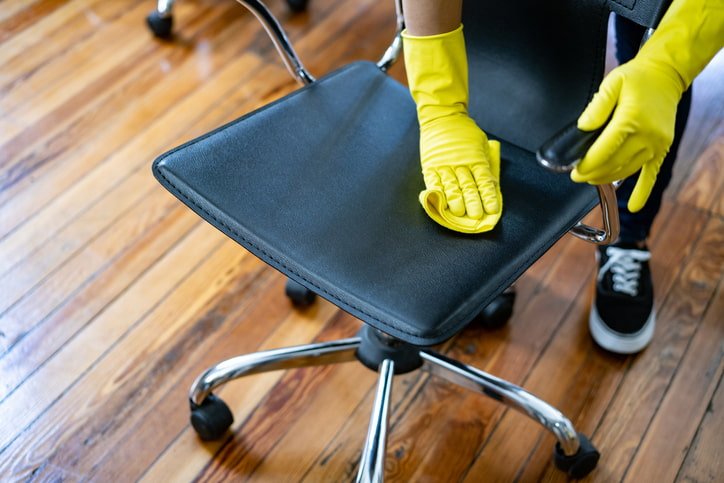
Credit: regencycleaning.ca
Deep Cleaning: When And How
At least twice a year, give your chair a deep clean:
- Remove cushions if possible.
- Vacuum all crevices.
- Wipe all surfaces with a suitable cleaner.
- For mesh, use a gentle brush to remove stuck dust.
- Leave the chair in a ventilated area to dry completely before use.
Extra Tip: Use compressed air to blow dust out of hard-to-reach parts.
When To Replace Parts
Sometimes, cleaning and tightening are not enough. Here’s when you should consider new parts:
- Wheels: Replace if they do not roll smoothly, even after cleaning.
- Gas lift: Replace if the chair will not hold height.
- Armrests: Replace if padding is torn or uncomfortable.
- Covers: Add or replace if the main fabric is worn but the chair is still sturdy.
Most office chairs use standard parts that can be ordered online. Replacing parts is cheaper than buying a new chair.
Storage And Environmental Care
Where you keep your chair matters.
- Avoid areas with high humidity to prevent mold.
- Keep away from direct sun to avoid fading.
- If you must store the chair, cover it with a breathable cloth to keep off dust but avoid plastic, which can trap moisture.
Practical Example: Storing a chair in a damp basement can lead to rust and mold in just a few months.
Annual Safety Checks
Once a year, do a full safety check.
- Flip the chair and inspect the base for cracks or damage.
- Check that all moving parts operate smoothly.
- Test tilt and recline mechanisms.
- Make sure the chair does not wobble or tip easily.
If you find any damage, replace the part or consult the manufacturer for repair options.
Comparing Maintenance Needs: Fabric Vs. Leather Vs. Mesh
Here’s a side-by-side look at how different chair materials compare for maintenance:
| Material | Cleaning Frequency | Special Care | Lifespan |
|---|---|---|---|
| Fabric | Weekly vacuum, monthly spot clean | Stain protection | 5-7 years |
| Leather | Weekly dust, monthly clean | Condition every 3-6 months | 7-10 years |
| Mesh | Weekly dust, deep clean twice a year | Gentle brushing | 5-8 years |
Key Takeaway: Leather lasts longest if conditioned; fabric needs more frequent cleaning but is easier to spot-clean.
Mistakes To Avoid In Office Chair Maintenance
Knowing what not to do is as important as knowing what to do.
- Ignoring small problems: A small squeak or loose screw can turn into a big problem if left alone.
- Using harsh chemicals: Bleach and ammonia can ruin upholstery and plastic.
- Over-wetting fabric: This causes mold and weakens the seat.
- Skipping regular checks: Most major failures start as minor issues.
- Not adjusting for ergonomics: An uncomfortable chair, even if clean, can harm your health.

Credit: dentalez.com
When To Call A Professional
Most maintenance is easy to do yourself, but some repairs need expert help.
- If the frame or base is cracked or bent, contact a professional.
- For high-end chairs with complex mechanisms, use authorized service centers.
- If you’re unsure about a repair, check the manufacturer’s website for guides or contact support.
Professional servicing is wise if your chair is expensive or still under warranty.
Extending The Life Of Your Office Chair
With consistent care, your office chair can last much longer than average. Here’s how to maximize its lifespan:
- Keep it clean and dry.
- Fix small issues quickly.
- Use the chair as designed—avoid leaning too far back or sitting on armrests.
- Store in a stable environment.
Stat: Well-maintained chairs can last 10 years or more, compared to 5 years for neglected ones.
Eco-friendly Disposal And Recycling
When your chair finally reaches the end of its life, dispose of it responsibly.
- Check if your local recycling center accepts office chairs.
- Donate if the chair is still usable.
- Some brands offer take-back or recycling programs.
For more information on sustainable disposal, visit the U.S. EPA Sustainable Materials Management page.
Frequently Asked Questions
How Often Should I Clean My Office Chair?
For most chairs, a weekly vacuum and wipe-down is enough. Spot clean stains as soon as they appear. Do a deep clean every six months.
What Should I Do If My Office Chair Keeps Sinking?
A chair that sinks usually has a faulty gas lift. Try cleaning and lubricating the cylinder first. If it still sinks, replace the gas lift—these are available online and can often be changed without tools.
Can I Use Household Cleaners On My Office Chair?
Use only mild detergent and water for fabric and mesh. For leather, use a proper leather cleaner. Avoid bleach, ammonia, or harsh chemicals, as they can damage the material.
How Do I Stop My Chair From Making Noise?
Identify where the noise comes from. Tighten all screws and bolts. Apply silicone spray to moving parts. Avoid using oil, as it can attract dust.
Is It Worth Repairing An Old Office Chair?
If the frame and main mechanisms are still solid, replacing wheels, gas lifts, or upholstery is usually cheaper than buying a new chair. However, if the chair is over 10 years old or the cost of repairs is high, consider upgrading.
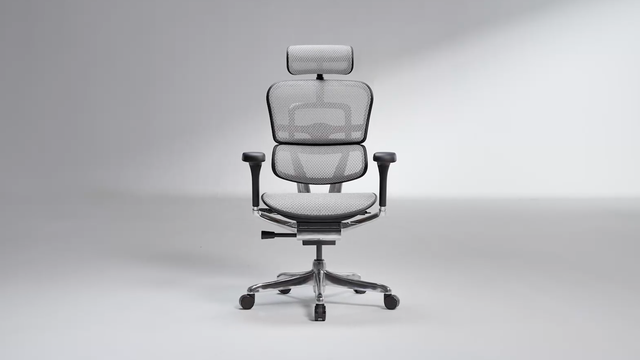
Credit: www.comfort.global
Final Thoughts
Taking care of your office chair is not complicated, but it does require attention to detail and regular effort. With the right cleaning, simple repairs, and smart adjustments, you can keep your chair comfortable, safe, and looking good for many years.
Remember, your office chair supports you every day—support it back with good maintenance.