
A clean, fresh-smelling office chair can make a big difference in your workday. But over time, office chairs can pick up odors from sweat, food spills, drinks, and daily use. If you’ve noticed a musty, sour, or unpleasant smell coming from your chair, you’re not alone. Many people don’t realize how quickly odors can build up, especially in fabric or mesh office chairs. The good news is that you don’t need to live with it. You can deodorize office chair cushions, mesh, and leather surfaces with simple methods, some home ingredients, and a bit of care. In this detailed guide, you’ll discover practical steps to remove odors, prevent them from returning, and understand why chairs get smelly in the first place. Let’s get started so your workspace feels—and smells—fresh again.
Why Office Chairs Smell: Understanding The Problem
Office chairs are used for hours every day. Sweat, body oils, food crumbs, coffee spills, and even dust can get trapped in the seat and backrest. Over time, this mix creates a perfect environment for bacteria and mold, which are the main sources of bad smells.
Some materials are more likely to absorb odors. Fabric and mesh chairs soak up sweat and spills, while leather and faux leather can trap oils and liquids in tiny cracks. Even the foam padding inside can hold onto moisture and smells. If your workspace is humid or you often eat at your desk, the problem can get worse.
Understanding these causes helps you choose the right cleaning method. For example, a fabric chair needs a different approach than a leather one. And if you clean only the surface but ignore the padding, odors may return quickly.
Before You Start: Preparation And Safety
Before you begin deodorizing your office chair, it’s important to prepare:
- Read the care tag: Most chairs have a cleaning tag underneath the seat. Look for codes like “W” (water-based cleaner), “S” (solvent-based cleaner), “WS” (either), or “X” (vacuum only).
- Test cleaners: Always test any cleaning solution on a hidden area first.
- Gather supplies: You’ll need a vacuum, soft brush, microfiber cloths, mild soap, white vinegar, baking soda, spray bottle, and if possible, an enzyme cleaner.
- Ventilation: Open windows or work outside if possible. Some cleaning agents need good airflow.
- Unplug: If your chair has electronics (heated or massage features), unplug it before cleaning.
A little planning protects your chair’s material and keeps you safe from strong chemicals.
Quick Odor Removal: Fast Fixes For Busy Days
Sometimes you need a fast solution. Maybe you have a meeting soon or guests are coming. Here are three quick ways to reduce odors right away:
- Baking soda sprinkle: Lightly cover the seat and back with baking soda. Wait 15–30 minutes. Vacuum it up. Baking soda absorbs smells fast.
- Vinegar spray mist: Mix equal parts water and white vinegar in a spray bottle. Lightly mist the chair (don’t soak it). The vinegar smell fades quickly, taking other odors with it.
- Fabric refresher spray: Use a commercial spray like Febreze for an instant improvement. Spray lightly and let dry. This masks odors but doesn’t remove the source.
These methods work in a pinch, but for deep smells, you’ll need more thorough cleaning.
Deep Cleaning Methods For Different Chair Materials
Every chair material needs a special approach. Let’s look at how to deodorize fabric, mesh, leather, and vinyl office chairs.
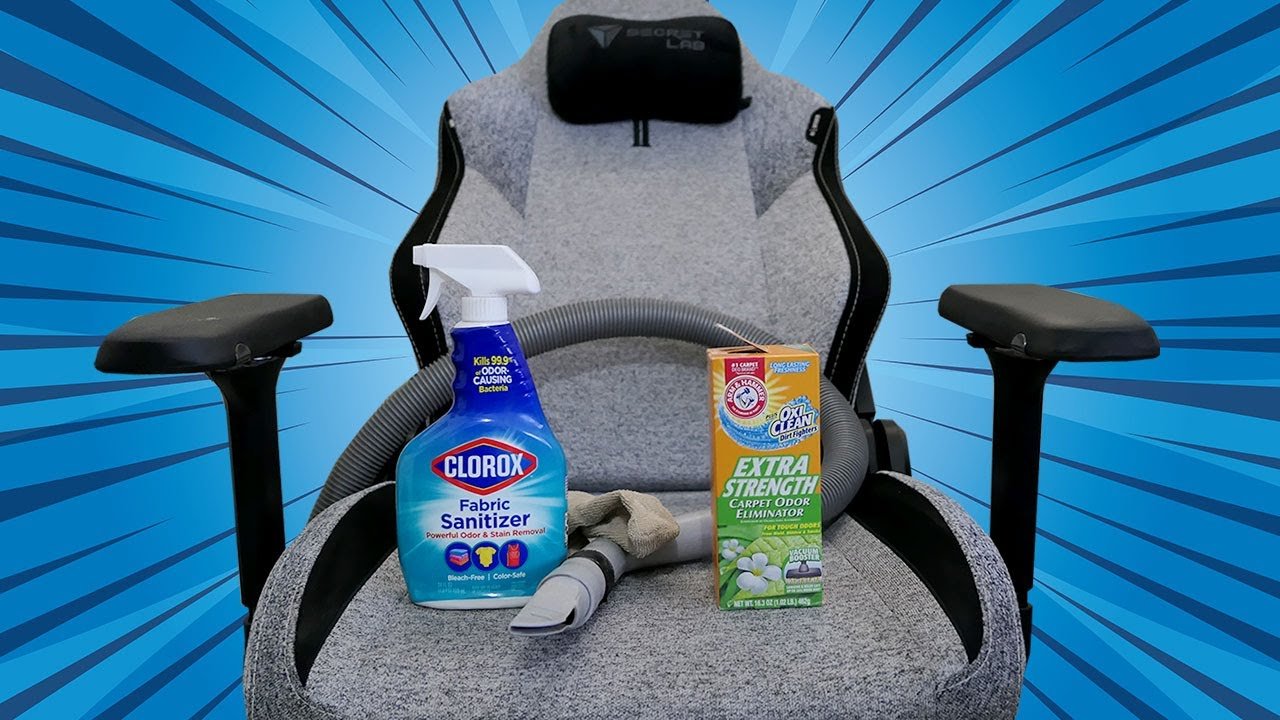
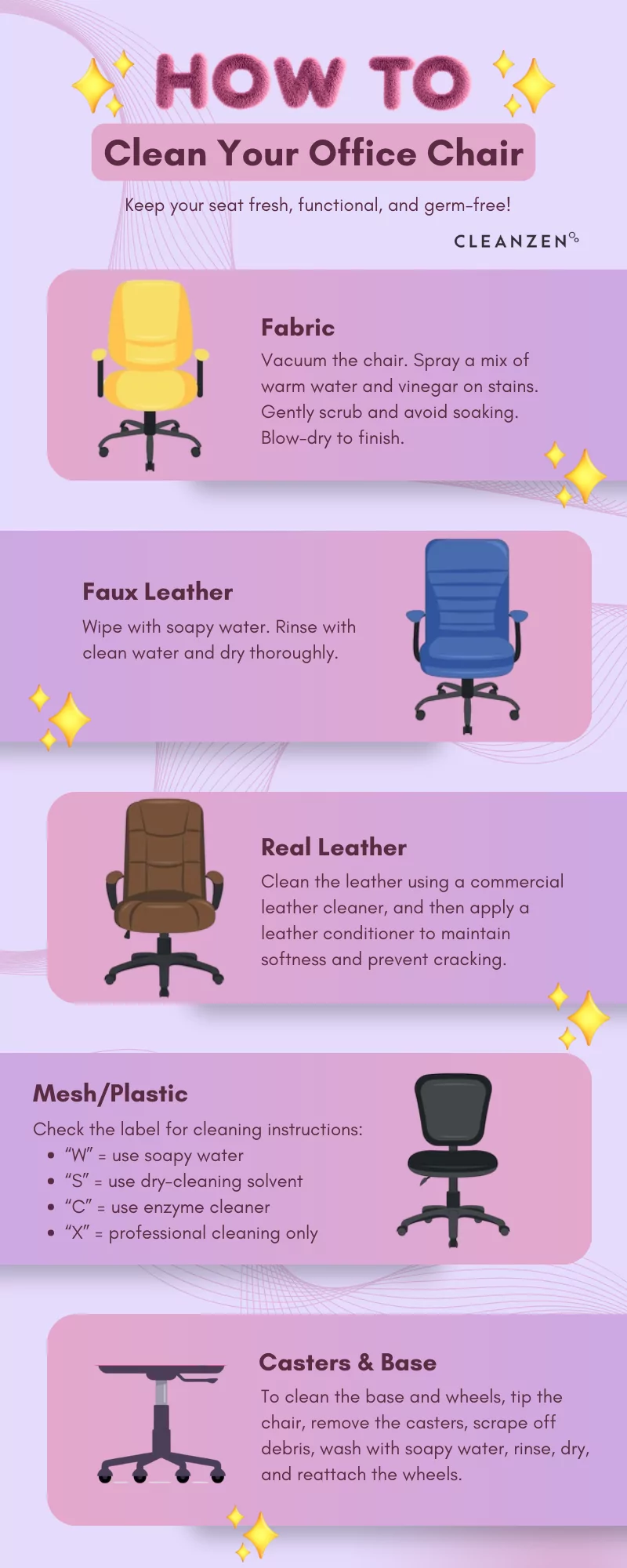
Fabric Office Chairs
Fabric chairs absorb the most odors but are also the easiest to deep clean. Here’s what works best:
- Vacuum thoroughly: Use a brush attachment to remove dust and crumbs from seams and crevices.
- Apply baking soda: Sprinkle generously. Wait 30–60 minutes. Baking soda pulls out deep smells.
- Clean with mild soap: Mix a few drops of dish soap in warm water. Dampen (not soak) a microfiber cloth and scrub the fabric, focusing on stained or smelly areas.
- Rinse and blot: Wipe with a clean, damp cloth to remove soap residue. Press with a dry towel to absorb moisture.
- Air dry: Place the chair in a sunny or well-ventilated spot. Sunlight helps kill odor-causing bacteria.
Pro tip: For stubborn smells, try a dedicated enzyme cleaner designed for upholstery. These break down organic odors (like sweat or food) at the molecular level.
Mesh Office Chairs
Mesh chairs are breathable but can collect dust and sweat in the tiny holes. Deodorizing mesh is easy if you do it right:
- Vacuum the mesh: Use a soft brush to avoid damaging the mesh fibers.
- Spray with vinegar solution: Mix 1 part vinegar with 3 parts water. Lightly mist the mesh, making sure not to soak it.
- Wipe with a dry cloth: Blot up extra moisture and odors.
- Let it air dry: Good airflow is key. Avoid sitting in the chair until it’s completely dry.
Non-obvious insight: Mesh chairs may have fabric or foam beneath the mesh. If odors persist, check for hidden padding that needs cleaning.
Leather And Faux Leather Chairs
Leather is less likely to hold odors but can still develop smells from body oils or spills. Here’s the safest method:
- Dust and vacuum: Remove surface dust and dirt.
- Wipe with a damp cloth: Use water only or a tiny amount of mild soap. Too much water can damage leather.
- Apply leather cleaner/conditioner: Use a product meant for leather surfaces. This cleans and protects the material.
- Dry thoroughly: Buff with a dry cloth.
Extra tip: Never use vinegar or harsh cleaners on real leather—they can dry or crack the surface. For faux leather, vinegar is usually safe but always test first.
Vinyl And Plastic Chairs
These are the easiest to clean and deodorize:
- Wipe down: Use warm, soapy water and a sponge to clean all surfaces.
- Rinse and dry: Wipe with a damp cloth, then dry completely.
- Disinfect (optional): Spray with a disinfectant for added odor removal.
Key point: Vinyl can get sticky if not dried properly. Always finish with a dry cloth.
Credit: www.youtube.com
Deodorizing Chair Padding And Foam
Most people forget about the foam padding inside the seat and backrest. If smells keep returning, the problem may be deep inside.
- Remove covers if possible: Some office chairs have removable covers. Wash them according to instructions.
- Deep clean with enzyme spray: Lightly spray enzyme cleaner on the foam. Let it air dry.
- Baking soda for foam: If you can access the foam, sprinkle baking soda, wait a few hours, then vacuum.
Hidden risk: Too much moisture can make foam take days to dry and may even cause mold. Always use minimal liquid and let the chair dry fully before use.
Natural Deodorizing Solutions
If you prefer eco-friendly or chemical-free methods, try these natural solutions:
- Activated charcoal bags: Place a small bag under the seat. Charcoal absorbs odors and moisture.
- Coffee grounds: Put dry coffee grounds in a sock or small bag under the chair for a subtle, natural scent.
- Essential oils: Add a drop of lavender or tea tree oil to your cleaning solution for extra freshness. Avoid direct contact with leather or foam.
Some people put a bowl of baking soda or vinegar near the chair overnight to absorb odors from the air.
How To Remove Specific Odors
Not all smells are the same. Here’s how to tackle common sources:
Sweat And Body Odor
- Use enzyme-based spray to break down sweat molecules.
- Wash removable covers in hot water if possible.
- Let the chair dry in sunlight—UV kills bacteria.
Food And Drink Spills
- Blot spills immediately with a dry cloth.
- Use a mild soap solution for sticky residues.
- For milk or juice, use an enzyme cleaner to prevent sour smells.
Musty Or Moldy Smell
- Mix 1 part vinegar with 1 part water and spray lightly.
- Use a hair dryer on low heat to speed up drying.
- Place the chair in direct sunlight for a few hours.
Non-obvious insight: Musty smells often mean hidden moisture. Check for spills that have soaked into the foam or under the seat.
Smoke Odor
- Place activated charcoal or baking soda under the seat for several days.
- Wash any removable fabric parts.
- Use a commercial smoke odor remover if needed.
Preventing Future Odors
The best way to keep your office chair smelling fresh is to stop odors before they start.
- Vacuum weekly: Remove crumbs, dust, and hair.
- Clean spills right away: The sooner you act, the less likely odors will set.
- Use a chair cover: Washable covers protect against sweat and food.
- Let your chair air out: If possible, leave it in sunlight once a month.
- Avoid eating at your desk: Food crumbs are a top cause of chair odors.
- Dehumidify your workspace: Use a small dehumidifier if the air is damp.
A little regular care saves time and keeps your chair fresh for years.

Credit: www.youtube.com
Comparing Deodorizing Methods: Effectiveness And Time
Here’s a look at how different methods stack up for speed and long-lasting results:
| Deodorizing Method | Time Needed | Effectiveness (1-5) | Best For |
|---|---|---|---|
| Baking Soda Sprinkle | 30–60 min | 3 | Light odors, quick fix |
| Vinegar Spray | 20–30 min | 4 | General odors, fabric/mesh |
| Enzyme Cleaner | 1–2 hrs (drying time) | 5 | Strong, organic odors |
| Leather Conditioner | 15–20 min | 4 | Leather/faux leather |
| Activated Charcoal Bag | Overnight | 4 | Lingering or smoke odors |
Common Mistakes When Deodorizing Office Chairs
Even with the right products, mistakes can make odors worse or damage your chair. Here’s what to avoid:
- Using too much water: Excess moisture can soak into foam and cause mold.
- Not drying fully: Always let your chair dry completely before use.
- Ignoring care labels: Some materials need special cleaning agents.
- Overusing strong chemicals: This can damage fabric or leather.
- Masking, not removing, odors: Sprays like Febreze only cover smells. For lasting results, remove the source.
Credit: cleanzen.com
Step-by-step Guide: How To Deodorize Your Office Chair
Let’s put it all together with a simple routine you can follow for most office chairs:
- Check care instructions: Look for cleaning codes or manufacturer advice.
- Vacuum: Remove dust and crumbs from all surfaces, seams, and under cushions.
- Apply baking soda: Sprinkle on the seat and back. Let sit for 30–60 minutes, then vacuum.
- Spot clean stains: Use a mild soap solution or enzyme cleaner on any spots or spills.
- Wipe all surfaces: Dampen a microfiber cloth with water or vinegar solution and clean the entire chair. For mesh, avoid soaking.
- Dry thoroughly: Use a towel to blot, then let the chair air dry in a sunny, ventilated spot.
- Finish with optional protection: Apply leather conditioner, fabric protector spray, or a natural deodorizer like activated charcoal.
Pro tip: Repeat this process every 2–3 months or whenever you notice odors.
When To Call A Professional Cleaner
Some office chairs need expert help, especially if:
- The chair is expensive or made of delicate materials (real leather, wool, silk).
- There are deep-set odors that don’t go away after cleaning.
- There are signs of mold or mildew.
- The chair is heavily soiled or stained.
Professional cleaning can restore even the most stubborn cases, and it’s often worth the investment for high-quality furniture.
Health And Hygiene: Why A Fresh Chair Matters
A smelly chair isn’t just unpleasant—it can be a health risk. Bacteria, mold, and allergens can trigger headaches, allergies, and even skin problems. Offices with shared chairs are especially at risk for spreading germs. A clean chair means better air quality and a healthier workspace.
According to the Centers for Disease Control and Prevention, regular cleaning of office furniture helps reduce the risk of illness and improves comfort at work (CDC Office Environment).
Office Chair Deodorizing: Cost And Time Comparison
Cleaning your own chair is usually quick and affordable. Here’s a direct comparison of DIY vs. professional cleaning:
| Cleaning Method | Typical Cost | Time Required | When to Use |
|---|---|---|---|
| DIY (Baking Soda, Vinegar, Soap) | $5–$20 | 30 min–2 hrs | Regular maintenance, light to moderate odors |
| Commercial Enzyme Cleaner | $10–$30 | 1–3 hrs (including drying) | Strong organic odors, deep stains |
| Professional Cleaning | $40–$100 | 1–2 days (includes pickup/delivery) | Delicate, valuable, or very dirty chairs |
Frequently Asked Questions
How Often Should I Deodorize My Office Chair?
Most chairs need deodorizing every 2–3 months, but if you eat at your desk, sweat a lot, or notice smells, clean more often. Quick vacuuming once a week keeps odors from building up.
Can I Use Bleach Or Strong Chemicals To Deodorize My Chair?
Bleach and harsh chemicals can damage fabric, foam, or leather. Stick to mild soap, vinegar solutions, or enzyme cleaners. Always test on a small area first and follow the chair’s care instructions.
What If My Chair Still Smells After Cleaning?
Deep odors may be trapped in the foam or padding. Try repeating the cleaning process, using an enzyme cleaner, or placing activated charcoal under the seat. If smells persist, consider professional cleaning.
Are Homemade Deodorizing Sprays Safe For All Chair Materials?
Homemade sprays (baking soda, vinegar) are safe for most fabrics and mesh but can harm real leather or certain foams. Always check labels and test on a hidden spot before using widely.
How Can I Prevent Odors If I Sweat A Lot Or Work Long Hours?
Use a washable chair cover, vacuum weekly, and wipe down the chair after long use. Letting your chair air out in sunlight once a month also helps kill bacteria and reduce smells.
A fresh, odor-free office chair isn’t just a luxury—it’s an important part of a healthy and pleasant workspace. With these practical steps, you can remove even stubborn smells and keep your chair inviting for years to come.