
A well-chosen desk lamp can make your workspace brighter, more comfortable, and more productive. But have you ever thought about how your dominant hand affects your lighting needs? Many people do not realize that a desk lamp for right handed vs left handed users is not always the same. Choosing the wrong lamp position can create shadows, cause eye strain, and even slow down your work.
Whether you are a student, artist, office worker, or someone who loves to read, understanding this difference can help you set up your desk for the best results. This article explores the key factors, practical tips, and common mistakes when picking and positioning a desk lamp for both right and left handed people.
Why Hand Dominance Affects Desk Lamp Choice
Most people are right handed, but left handed users make up around 10% of the world population. Hand dominance matters for desk lighting because of how your hand blocks light. If the lamp is placed on the same side as your writing hand, your hand can cast a shadow over your work. This makes it hard to see clearly and can cause fatigue over time.
For example, a right handed person with a lamp on the right side will often see shadows on the paper where they are writing. The same is true for left handed people if the lamp is on the left. This small detail can have a big impact on your comfort and performance.
Key Differences: Desk Lamp Setup For Right Vs Left Handed
Let’s look at the main ways your setup should change depending on which hand you use most.
| Feature | Right Handed User | Left Handed User |
|---|---|---|
| Lamp Position | Left side of desk | Right side of desk |
| Shadow Reduction | Minimizes shadow from right hand | Minimizes shadow from left hand |
| Switch Accessibility | Switch on left or center | Switch on right or center |
| Angle of Light | Tilt towards writing area from left | Tilt towards writing area from right |
Non-obvious insight: Many desk lamps are designed with the assumption that users are right handed. This means switches, adjustment levers, and even the lamp arm may be easier to reach or move from the left side.
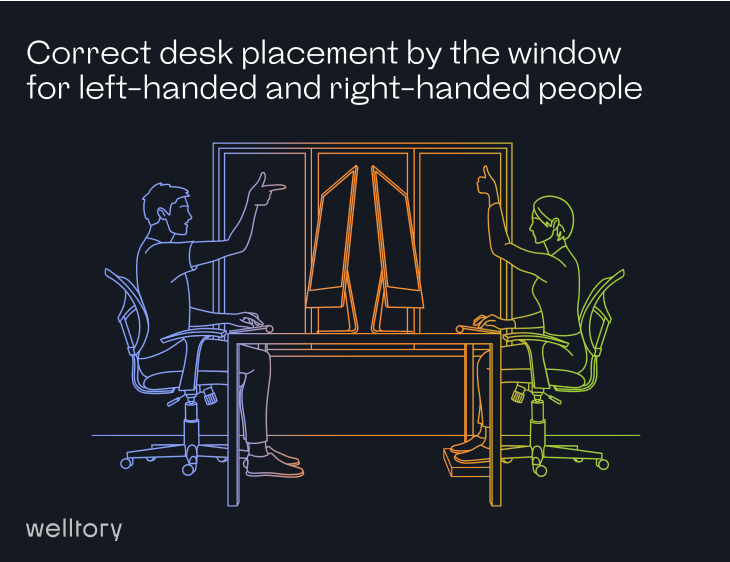
Credit: welltory.com
How To Position Your Desk Lamp
Correct lamp placement is more important than the lamp itself. Here are the best ways to position your desk lamp based on your dominant hand:
For Right Handed Users
- Place your lamp on the left side of your desk.
- Angle the light so it shines directly on your workspace, avoiding glare on your screen or paper.
- If your lamp has a flexible arm, adjust it to highlight your main writing or reading area.
For Left Handed Users
- Place your lamp on the right side of your desk.
- Angle the light across your workspace from the right.
- Adjust the lamp arm to reduce direct glare and focus on your writing or drawing area.
Practical tip: If your desk is against a wall, make sure the lamp’s cord is not in the way of your dominant hand. Left handed people often struggle with cords and switches designed for right handed use.
Types Of Desk Lamps: What To Consider
Not all desk lamps are the same. Some offer better flexibility for left or right handed users. Let’s compare the main types:
| Lamp Type | Adjustability | Best for Right/Left Handed | Notes |
|---|---|---|---|
| Fixed Base Lamp | Low | Both (but depends on side placed) | Simple, but not flexible |
| Gooseneck Lamp | High | Both | Arm bends, good for any side |
| Clamp-On Lamp | High | Both | Clips on either side, saves space |
| Architect/Adjustable Arm Lamp | Very High | Both | Most flexible, ideal for switching sides |
| Desk Lamp with Built-in Switch | Medium | Depends on switch position | Check if switch is easy to reach |
Non-obvious insight: Lamps with a rotating base or swivel arm can switch sides easily. If you sometimes change hands or share your desk, choose a design that adapts to both right and left handed use.
Light Quality And Color Temperature
Choosing the right desk lamp is not just about position. Light quality matters for comfort and focus.
- Color temperature: Most experts recommend 4000K–5000K for desk work. This is a neutral white light, not too yellow or blue.
- Brightness: Look for lamps with adjustable brightness (dimmable). This helps reduce eye strain over long periods.
- Glare control: A lamp with a diffuser or shade gives softer light and prevents harsh reflections, which is important for both left and right handed users.
Example: If you are a left handed student who writes a lot, a dimmable LED lamp with a flexible arm on your right side will reduce shadows and make studying easier.
Features To Look For When Buying
When choosing a desk lamp, certain features are especially important for left or right handed users:
- Flexible arm or gooseneck: Lets you direct light exactly where needed.
- Swivel base: Easy to switch sides if your needs change.
- Touch or easy-access switch: Place the switch where your dominant hand can reach comfortably.
- Cord management: Look for lamps with a cord that stays out of your main working area.
- Adjustable color and brightness: Reduces eye strain and adapts to different tasks.
Common buyer mistake: Many buyers choose lamps based on style, not function. Always test how the lamp feels in your workspace and whether it creates shadows on your writing hand.
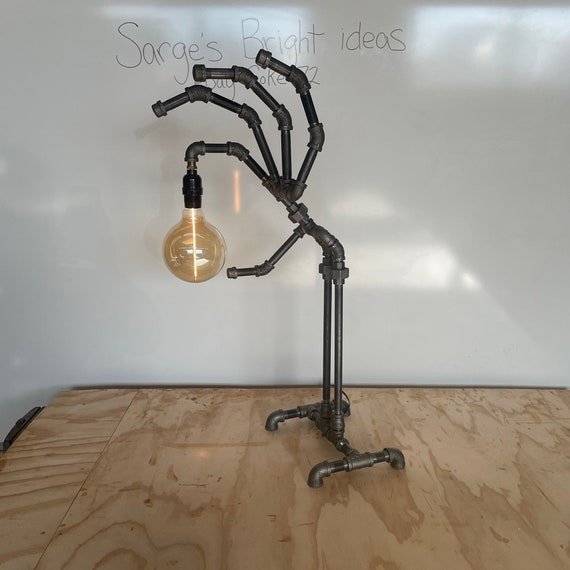
Credit: www.etsy.com
Desk Lamp Placement For Different Activities
Your main tasks at your desk may affect the ideal lamp setup.
Writing And Note-taking
- Place the lamp on the opposite side of your dominant hand.
- Use a focused beam to reduce shadows on your notebook or paper.
Drawing And Art
- Artists need even, shadow-free light.
- Adjustable arm lamps allow you to move the light exactly where you need it.
- For detailed work, consider lamps with high color rendering index (CRI) for accurate colors.
Computer Work
- Place the lamp to the side, not directly in front of the monitor.
- Use a softer light to reduce screen glare and eye fatigue.
Reading
- A lamp with a wide, even beam placed on the non-dominant side helps avoid shadows.
- Dimmable lamps are useful for adjusting to different light levels.
Desk Layout Examples
Here are some practical examples for both right and left handed setups:
Right Handed User:
- Desk lamp on left side
- Pen holder on right
- Computer mouse on right
- Books and notes in front or slightly to left
Left Handed User:
- Desk lamp on right side
- Pen holder on left
- Computer mouse on left (if left-handed mouse is used)
- Books and notes in front or slightly to right
Tip: If you share your desk with someone with a different dominant hand, use a clamp-on lamp that is easy to move from one side to the other.
Common Mistakes To Avoid
- Ignoring hand dominance: Placing the lamp on the wrong side leads to shadows and eye strain.
- Choosing style over function: A beautiful lamp that cannot be positioned well will not help your work.
- Forgetting about switch and cord location: If you have to reach across your body to turn the lamp on, it becomes annoying and less safe.
- Not testing adjustability: Fixed lamps may limit your options as your tasks change.
- Skipping brightness controls: One brightness level does not fit all tasks or times of day.
Experience-based guide tip: Always sit at your desk and try different lamp positions before making a final decision. What looks good in a store may not work well in your actual workspace.
Special Considerations For Left Handed Users
Left handed people often face challenges with products made for right handed users. Here are some specific points to keep in mind:
- Lamp switch: Many lamps have the switch on the right, which is less convenient for left handed users.
- Desk shape: If your desk is L-shaped or has shelves, check if there is enough space on the right side for a lamp.
- Shared workspaces: In libraries or offices, lamps are often fixed in place. Carry a small portable lamp to solve this problem.
Practical solution: Some brands now make desk lamps with ambidextrous controls and flexible designs. Look for these if you want the most comfortable experience.
Health Impact: Eye Strain And Productivity
Proper lighting is not just about comfort. Studies show that poor lighting can cause:
- Eye strain
- Headaches
- Reduced productivity
- Increased mistakes
A well-positioned desk lamp, set according to your dominant hand, can help prevent these problems and make long work or study sessions much more pleasant. For more on lighting and health, see this Verywell Health article.
Smart Lamps And New Technology
Modern desk lamps often come with smart features:
- Motion sensors: Turn on/off automatically as you approach.
- USB charging ports: Power your devices.
- App control: Set color and brightness from your phone.
Most smart lamps are designed to be flexible and fit both right and left handed users, but always check the position of the main controls and switches.

Credit: www.productivity501.com
Frequently Asked Questions
What Is The Best Side To Place A Desk Lamp For Right Handed Users?
The best side for right handed users is the left side of the desk. This prevents your hand from blocking the light and avoids shadows on your work.
Do Left Handed People Need Special Desk Lamps?
Left handed users do not need a special lamp, but they do need a lamp that can be positioned on the right side and is comfortable to adjust and switch on/off with the left hand.
Can I Use The Same Lamp If I Switch Hands Or Share A Desk?
Yes. Choose a lamp with a rotating base, flexible arm, or clamp-on design. This allows you to move the lamp easily from one side to the other.
Does Lamp Brightness Matter For Right Or Left Handed Users?
Brightness matters for everyone. Adjustable brightness (dimmable) is best because it helps prevent eye strain and can be set for different tasks, no matter which hand is dominant.
What Should I Do If My Desk Lamp Is Fixed And On The Wrong Side?
If your lamp cannot be moved, try using a second small lamp on the other side, or switch to a portable lamp that you can position correctly for your dominant hand.
Setting up your desk lamp for right handed vs left handed use is a small change that makes a big difference. By choosing the right lamp and positioning it correctly, you will enjoy better lighting, more comfort, and improved productivity—no matter which hand you use most.