
When you put on headphones in a noisy place, do you wonder how they block the world’s sounds? The answer is noise cancellation. But not all noise cancellation works the same way. Two main types exist: active noise cancellation (ANC) and passive noise cancellation (PNC). Each uses different technology and offers unique benefits. If you’ve ever been confused by these terms while shopping for headphones or earbuds, this guide will make things clear.
Knowing the difference is important. The wrong choice can leave you frustrated, especially if you travel often, work in busy offices, or just want peace at home. Let’s explore how each type works, their strengths and weaknesses, and which might fit your needs best.
What Is Passive Noise Cancellation?
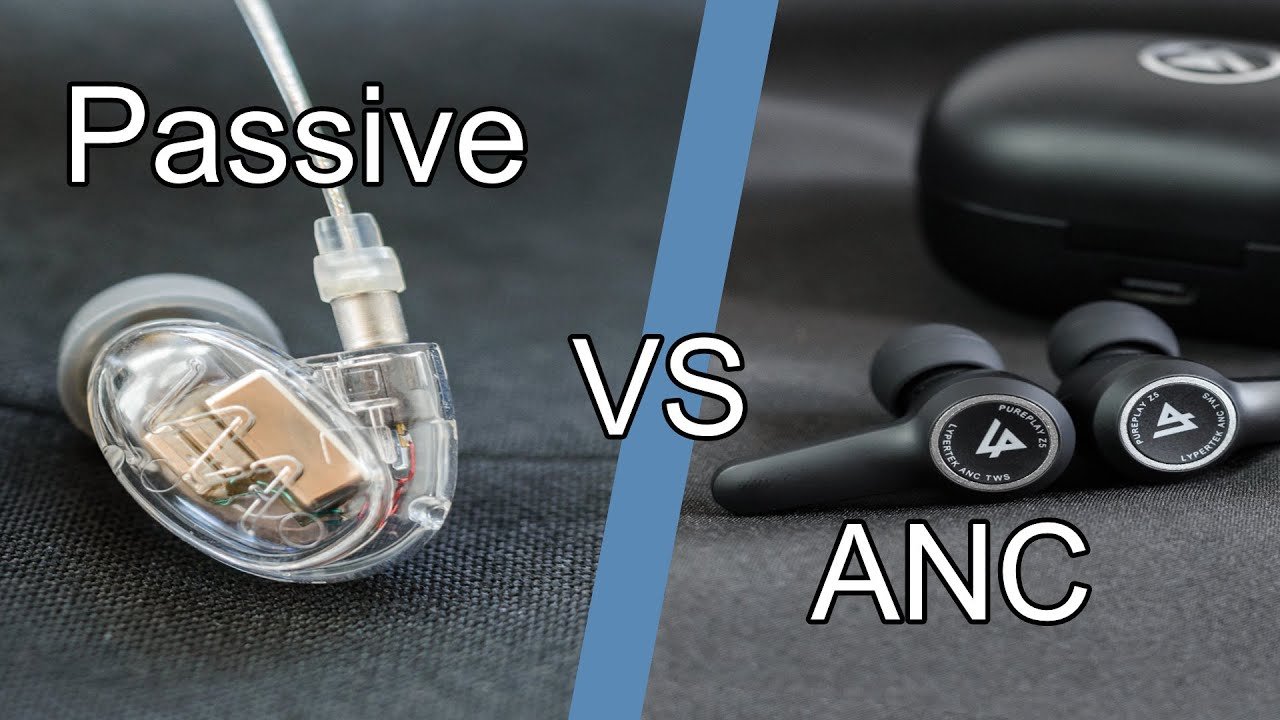
Passive noise cancellation is the most basic way to block unwanted sounds. It doesn’t use batteries or electronics. Instead, it relies on the physical design and materials of the headphones or earplugs.
How Passive Noise Cancellation Works
PNC works by creating a barrier between your ear and the outside world. Think of heavy earmuffs or thick ear cushions. These physically block sound waves from reaching your ears. Over-ear headphones with large, dense ear pads, and in-ear models that fit tightly, are typical examples.
Materials matter too. Soft foam, thick leather, and memory foam all help absorb or block noise. The seal around your ear is critical — if there’s a gap, sound will leak in.
Where Passive Noise Cancellation Excels
Low-frequency noises (like engines) are harder to block, but PNC is especially good at stopping mid to high-frequency sounds. This includes people talking nearby, office chatter, or the clatter of keyboards.
Many professional musicians use passive earplugs to protect their hearing during loud concerts. Frequent flyers often choose bulky over-ear headphones for their natural noise-blocking ability.
Practical Example
If you put your hands over your ears, you’re using passive noise cancellation. It’s simple, reliable, and always works — no power required.
What Is Active Noise Cancellation?
Active noise cancellation (ANC) is a modern technology that uses electronics to cancel out unwanted sounds. ANC headphones need microphones, batteries, and internal processors.
How Active Noise Cancellation Works
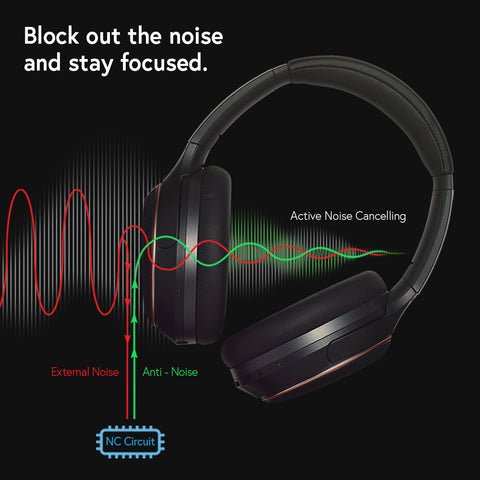
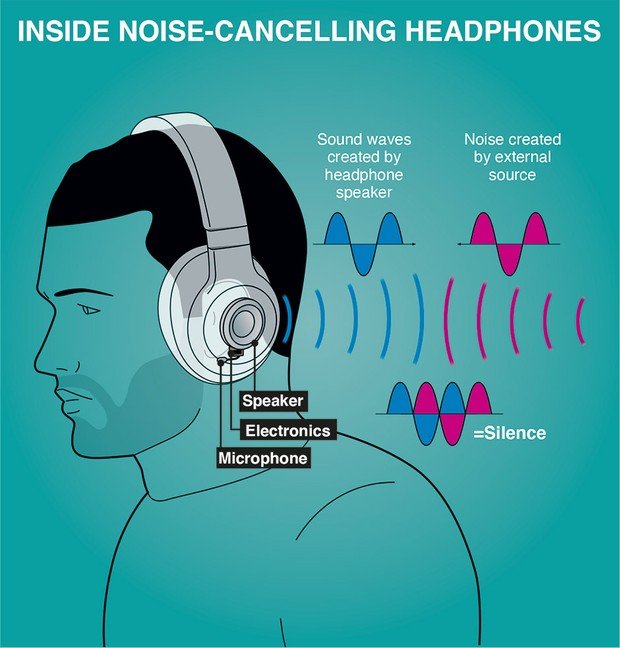
ANC has a clever trick: it listens to the noise around you and plays back a sound that is the exact opposite (or “anti-noise”). When these two sounds meet, they cancel each other out.
Here’s the process:
- Tiny microphones pick up outside sounds.
- The headphones’ processor quickly creates a sound wave that is the mirror image of the noise.
- This anti-noise wave is played through the speakers, mixing with the original noise and reducing it.
This method works best for steady, low-frequency sounds like airplane engines, air conditioners, or city traffic.
Types Of Anc
There are two main types:
- Feedforward ANC: Microphones are placed on the outside of the ear cup to catch external noise.
- Feedback ANC: Microphones are inside the ear cup to monitor what you actually hear.
- Some high-end headphones use hybrid ANC, which combines both.
Practical Example
When you wear ANC headphones on a plane, the loud engine hum almost disappears, but voices or sudden noises may still be heard faintly.
Key Differences: Active Vs Passive Noise Cancellation
It’s easy to get confused, but the differences between ANC and PNC are clear when compared side by side.
| Feature | Active Noise Cancellation (ANC) | Passive Noise Cancellation (PNC) |
|---|---|---|
| Technology | Uses microphones and electronics to cancel sound | Uses physical materials to block sound |
| Power Needed | Yes (battery required) | No |
| Best For | Low, constant noises (engines, AC) | High-frequency noises (voices, typing) |
| Weight/Size | Usually heavier and bulkier | Can be lighter and simpler |
| Price | Usually more expensive | Often less expensive |
Advantages And Disadvantages
It’s not just about technology. Each type has its own set of pros and cons.
Advantages Of Passive Noise Cancellation
- No power needed: Always works, even if the battery dies.
- Durable: Fewer electronics mean less can go wrong.
- Affordable: Usually costs less.
- Works in all environments: Great for sudden, sharp noises.
Disadvantages Of Passive Noise Cancellation
- Can be bulky: Good isolation needs thick padding or a tight fit.
- Uncomfortable for long use: Heavy or tight headphones can cause discomfort.
- Not as effective for low-frequency sounds: Can’t block engine rumbles as well.
Advantages Of Active Noise Cancellation
- Excellent for travel: Cuts out airplane and train noise.
- Better comfort: Lighter padding is possible, so less pressure on ears.
- Modern features: Many ANC headphones come with extra features like ambient sound modes.
Disadvantages Of Active Noise Cancellation
- Battery required: No power, no ANC.
- Can create pressure feeling: Some people notice a “hiss” or “ear pressure.”
- More expensive: The technology adds cost.
- Can slightly change sound quality: Some users notice music sounds different with ANC on.
Credit: www.youtube.com
When To Choose Passive Noise Cancellation
PNC is a smart choice if:
- You want reliable noise blocking without worrying about batteries.
- You need to block voices and high-pitch sounds.
- You’re on a budget.
- You use headphones for short periods or in places where comfort is less critical.
Many office workers and students choose PNC for focus. Musicians and sound engineers also rely on high-quality passive headphones for accurate sound.
When To Choose Active Noise Cancellation
ANC is best if:
- You travel often and need to block engine noise.
- You spend time in noisy environments with steady background sounds.
- You want more comfort for long listening sessions.
- You want the latest features and are willing to pay more.
People who work in open-plan offices, fly frequently, or live in big cities often find ANC headphones a life-saver.
Credit: phiaton.com
Real-world Scenarios: Which Works Best?
Let’s look at some everyday situations:
| Situation | Best Choice | Why |
|---|---|---|
| Flying on a plane | ANC | Removes engine and cabin noise effectively |
| Studying in a library | PNC | Blocks out whispers and paper sounds |
| Walking in a busy city | ANC + PNC | Both together give best isolation |
| Working in an office | PNC | Stops talking and phone ringtones |
| At the gym | PNC (in-ear) | Lightweight and sweat-resistant |
Non-obvious insight: In-ear headphones with a tight seal can sometimes block more noise than over-ear ANC models, especially for sudden or high-frequency sounds.
Common Myths And Mistakes
Many people believe more expensive always means better noise cancellation. This isn’t true. A cheaper pair with the right fit can outperform a pricey ANC model in certain settings.
Another common mistake: forgetting that fit and seal matter most. Even the best ANC headphones won’t work well if they don’t seal properly around or in your ears.
Some users also think ANC cancels all noise. In reality, it’s best with consistent sounds and less effective for sharp, sudden noises.
Hybrid Solutions: Getting The Best Of Both
Some premium headphones use both ANC and PNC. They combine thick cushions (passive) with smart electronics (active) to block a wider range of sounds.
For example, the Sony WH-1000XM5 and Bose 700 headphones offer excellent passive isolation plus industry-leading ANC. If you want the most silence possible, hybrid models are the top choice — but they come at a higher price.
How To Choose The Right Noise Cancellation
Choosing between ANC and PNC depends on your needs, habits, and budget. Here are key steps to help you decide:
- Identify your main environment: Plane, office, home, or outdoors?
- Think about comfort: Will you wear them for hours? Try before buying, if possible.
- Check battery life: For ANC, long battery life is essential.
- Consider budget: Good PNC is often cheaper.
- Test the seal: Make sure headphones fit well. The wrong size reduces effectiveness.
- Look for extra features: Some ANC headphones have “transparency” modes for safety outdoors.
Pro tip: If you can, test headphones in the store. Try them with noise around you, not just in a quiet room.
The Future Of Noise Cancellation
Noise cancellation keeps improving. Newer models use AI to better recognize and block different types of sounds. Some can even adapt on-the-fly, letting important noises (like alarms or voices) through while blocking the rest.
Earbuds are getting smarter too. True wireless models with ANC are now common, but remember: the small size means passive isolation is even more important.
If you want to dive deeper into the science and history of noise cancellation, the Wikipedia page on noise-cancelling headphones is a great resource.
Frequently Asked Questions
What Is The Main Difference Between Anc And Pnc?
Active noise cancellation uses microphones and electronics to create anti-noise signals and cancel external sounds. Passive noise cancellation uses physical barriers, like thick ear cups or ear tips, to block noise naturally.
Does Active Noise Cancellation Block All Noise?
No. ANC is best at blocking steady, low-frequency sounds (like engines). Sudden or high-pitch noises, like people talking, may still be heard. A tight fit and good passive isolation help maximize ANC effectiveness.
Which Is Better For Studying: Anc Or Pnc?
For studying in quiet places with random small noises, passive noise cancellation is usually enough. It blocks out distractions like typing, whispers, and shuffling papers without needing batteries.
Can I Use Both Anc And Pnc Together?
Yes. Many high-end headphones combine both for the best effect. The physical barrier blocks some sounds, while ANC cancels out others. This gives you the quietest experience.
Does Anc Affect Sound Quality?
Sometimes. Some users notice music sounds less natural or “hollow” with ANC on. The effect depends on headphone quality and personal hearing sensitivity. Testing before buying is a smart move.
When you understand how active and passive noise cancellation work, you can choose headphones or earbuds that truly match your needs. Whether you want complete silence or just a break from the world, the right technology makes all the difference.
Credit: ltmenergy.co.za