
Spilling coffee on your desk can feel like a disaster. The dark stain spreads quickly, making your workspace look messy. Even worse, if you do not act fast, the stain can become permanent. Removing a coffee stain from your desk is not just about looks; it also helps keep your workspace hygienic and pleasant.
Many people try to wipe the spot with water and give up when that doesn’t work. But with the right steps, almost every coffee stain can be removed completely—even from wood, laminate, or glass surfaces. This guide will show you proven methods, explain why certain techniques work, and help you avoid common mistakes.
You’ll also find practical tips for different desk materials, so you can tackle any coffee spill with confidence.
Why Coffee Stains Are Hard To Remove
Coffee contains tannins, which are natural compounds found in many plants. Tannins give coffee its dark color and can quickly soak into porous surfaces. On wood, these compounds seep into tiny cracks. On laminate or plastic, they can bond with the surface, leaving a yellow or brown mark. The longer the coffee sits, the deeper it penetrates, which is why acting fast is critical.
Essential Supplies For Coffee Stain Removal
Before you start, gather the right supplies. Having these nearby will let you act quickly, increasing your chances of success.
- Absorbent paper towels or a clean cloth
- Mild dish soap
- White vinegar
- Baking soda
- Hydrogen peroxide (for stubborn stains, test first)
- Rubbing alcohol
- Small bowl or container
- Soft-bristled brush (old toothbrush works)
- Spray bottle (optional)
- Water
Each item serves a special purpose. Paper towels soak up fresh spills, while vinegar and baking soda lift old stains. Hydrogen peroxide is for tough marks, but it’s not safe for all surfaces.
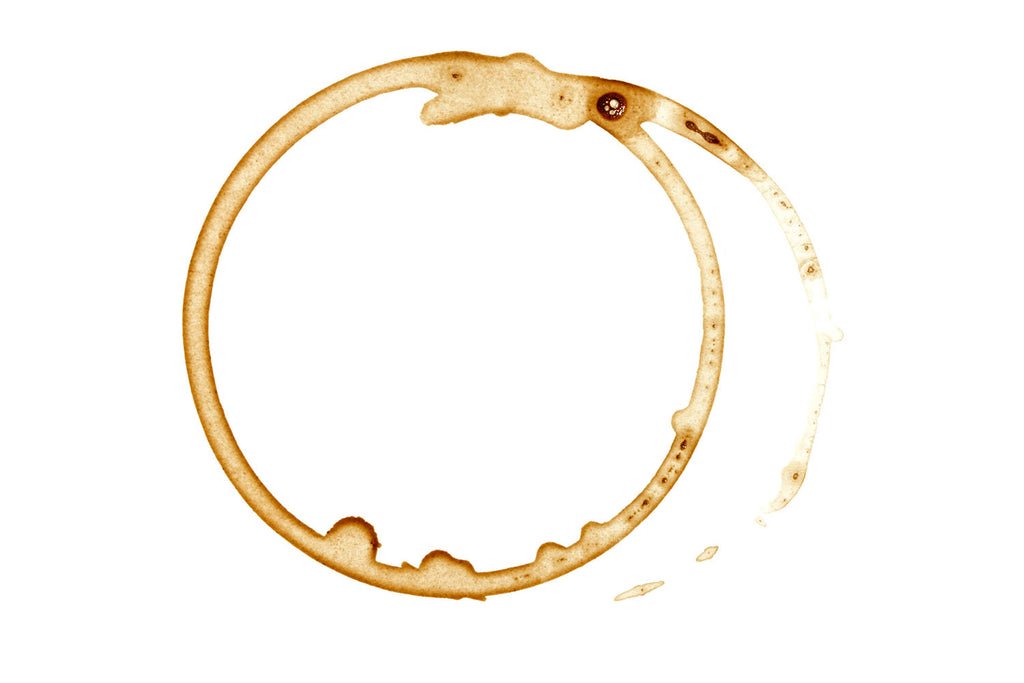
Credit: www.eluxury.com
Step-by-step: Removing Fresh Coffee Stains
If you just spilled coffee, you have the best chance to remove it completely. Here’s what to do:
- Blot, Don’t Rub: Use paper towels to blot up as much liquid as possible. Press gently—rubbing spreads the stain.
- Mix Soap Solution: Combine a few drops of mild dish soap with warm water in a bowl.
- Wipe the Area: Dip a clean cloth in the soapy water, wring it out, and wipe the stained area. Move in small circles.
- Rinse and Dry: Wipe away soap with a damp cloth, then dry with a towel.
This basic method is safe for most desk surfaces and often removes fresh stains completely.
How To Remove Dried Or Old Coffee Stains
Sometimes, you notice a stain only after it has dried. Dried stains are harder, but you can still remove them with the right approach.
Method 1: Vinegar And Baking Soda
- Dampen the Stain: Wet the stain with a little water to loosen it.
- Apply Vinegar: Pour a few drops of white vinegar onto the stain.
- Sprinkle Baking Soda: Cover the vinegar with baking soda. You’ll see fizzing—this helps break down the stain.
- Wait 10 Minutes: Let the mixture sit and work.
- Scrub Gently: Use a soft-bristled brush to scrub in circles.
- Wipe Clean: Remove the paste with a damp cloth, then dry the surface.
This method works well for most desks but always test on a hidden spot first.
Method 2: Hydrogen Peroxide (for Stubborn Stains)
Hydrogen peroxide is a mild bleach, so use it carefully.
- Test First: Apply a little hydrogen peroxide to a hidden area to check for color changes.
- Apply to Stain: If safe, pour a small amount on the stain.
- Wait 5 Minutes: Let it sit but don’t let it dry out.
- Blot and Wipe: Blot with a clean cloth, then rinse with water and dry.
Hydrogen peroxide can remove very old stains, especially on light-colored desks. Avoid using it on dark wood or colored surfaces unless you have tested first.

Credit: www.reddit.com
Desk Material Matters: Special Tips
Not all desks are made the same. The way you treat a stain depends on the desk material. Here’s how to handle the most common types:
| Desk Material | Best Cleaning Method | What to Avoid |
|---|---|---|
| Wood (sealed/varnished) | Mild soap, vinegar & water | Hydrogen peroxide, harsh chemicals |
| Wood (unfinished) | Baking soda paste, gentle scrubbing | Water soaking, strong acids |
| Laminate/Plastic | Soap & water, vinegar, baking soda | Abrasive pads |
| Glass | Vinegar spray, glass cleaner | Scratching with rough tools |
For wood desks, always dry the area well. Extra moisture can cause warping or more stains.
Advanced Cleaning Techniques
If standard methods do not work, try these advanced options:
Magic Eraser
A magic eraser (melamine foam) can remove stubborn stains from many surfaces. Wet the eraser, squeeze out extra water, and gently rub the stain. Test first—magic erasers can remove shine from glossy surfaces.
Commercial Cleaners
Products like Murphy’s Oil Soap or specialized desk cleaners are designed for tough stains. Read the label to make sure it’s safe for your desk material. Always follow the instructions and test on a hidden area.
Heat Technique (for Wood)
Sometimes, coffee seeps under the finish of a wooden desk, leaving a white ring. Place a clean cotton cloth over the stain and run a warm (not hot) iron over it for a few seconds. The heat can draw out moisture and lighten the mark.
Do not use high heat or steam.
Comparing Methods: Effectiveness And Safety
To help you choose the right method, here’s a comparison of common cleaning techniques:
| Method | Effectiveness | Surface Safety | Speed |
|---|---|---|---|
| Soap & Water | Good for fresh stains | Safe for all | Fast |
| Vinegar & Baking Soda | Very good for old stains | Safe for most | Medium |
| Hydrogen Peroxide | Excellent for stubborn stains | Use with caution | Medium |
| Magic Eraser | Good for surface stains | May dull finish | Fast |
Common Mistakes To Avoid
Many people make errors when trying to clean coffee stains. These mistakes can damage your desk or make the stain worse:
- Rubbing the stain: This pushes coffee deeper into the surface.
- Using too much water: Especially on wood, excess water can cause warping.
- Skipping the test spot: Not testing cleaners can lead to discoloration.
- Using harsh chemicals: Strong cleaners may strip finishes or leave permanent marks.
- Waiting too long: Old stains are much harder to remove.
Always work gently and patiently. If you are unsure about a product, check the manufacturer’s cleaning recommendations.
How To Handle Set-in Stains
Some stains are so old that simple methods do not work. In these cases, a paste of baking soda and water can help. Apply a thick layer, let it sit for 30 minutes, then gently scrub and rinse. For wood, you can try a mixture of toothpaste and baking soda—toothpaste has mild abrasives that can lift stains without scratching.
If you still see a shadow of the stain, consider using a wood polish or desk restorer to mask minor discoloration. This will not remove the stain but can improve the appearance until you have time for a deeper fix.
How To Protect Your Desk From Future Stains
Once you’ve removed the stain, you’ll want to prevent it from happening again.
- Use coasters for all drinks.
- Place a desk mat under your work area.
- Clean spills immediately—do not wait.
- Apply a protective finish (like a clear varnish) to wooden desks.
- Regularly dust and wipe your desk to prevent buildup.
These simple steps can keep your workspace looking clean and professional.
What If The Stain Won’t Go Away?
If you’ve tried every cleaning method and the stain remains, sometimes the only fix is refinishing the desk. For wood, this means sanding the area lightly and applying a new finish. This is usually a last resort for valuable or antique furniture.
For laminate or plastic, deep stains may be permanent if they have penetrated the material. In this case, covering the spot with a desk mat or decorative item can hide the mark.
Not-so-obvious Insights Most People Miss
- Temperature Matters: Warm solutions (not hot) help dissolve coffee better than cold water, but avoid heat on surfaces that can warp.
- Direction of Cleaning: Always wipe along the grain on wood surfaces. Circular motions are best for glass or laminate.
- Layered Approach: Start with the gentlest method first, then try stronger ones only if needed. This protects your desk from damage.
When To Call A Professional
If your desk is expensive, antique, or has special finishes, and the stain is deep, consider calling a professional cleaner. Experts have access to products and techniques that are safer for valuable furniture.
For more about the science of stain removal, the Wikipedia page on stain removal gives a good overview of why certain methods work.
Frequently Asked Questions
How Can I Remove A Coffee Stain From A Wooden Desk Without Damaging The Finish?
Use a mix of mild dish soap and water. Dampen a cloth, gently wipe the stain, and dry right away. Avoid strong chemicals like hydrogen peroxide unless you test first. For deeper stains, try a paste of baking soda and water, but always test on a hidden area.
What Should I Do If The Coffee Stain Is On An Unfinished Wood Desk?
Unfinished wood absorbs more liquid. Blot the stain immediately, then sprinkle baking soda to absorb moisture. After a few minutes, gently brush off the powder and repeat if needed. Do not use too much water, as it can cause more damage.
Can I Use Vinegar To Clean Coffee Stains On All Types Of Desks?
Vinegar is safe for laminate, plastic, and glass desks. For finished wood, always dilute vinegar with water and test in a hidden spot first. Avoid vinegar on unfinished wood, as acids can cause discoloration.
Will A Magic Eraser Scratch My Desk?
A magic eraser is safe for most hard surfaces but can dull glossy finishes. Always test on a hidden area. Do not use too much pressure, especially on painted or shiny desks.
What If Nothing Works To Remove The Coffee Stain?
If all cleaning methods fail, you may need to refinish the desk or cover the spot. For valuable desks, consult a furniture restoration expert. Sometimes, a small stain can be hidden with a desk mat or decorative item.
Removing a coffee stain from your desk is a manageable task if you act quickly and use the right methods for your desk type. With these tips, you can keep your workspace clean and avoid lasting marks.
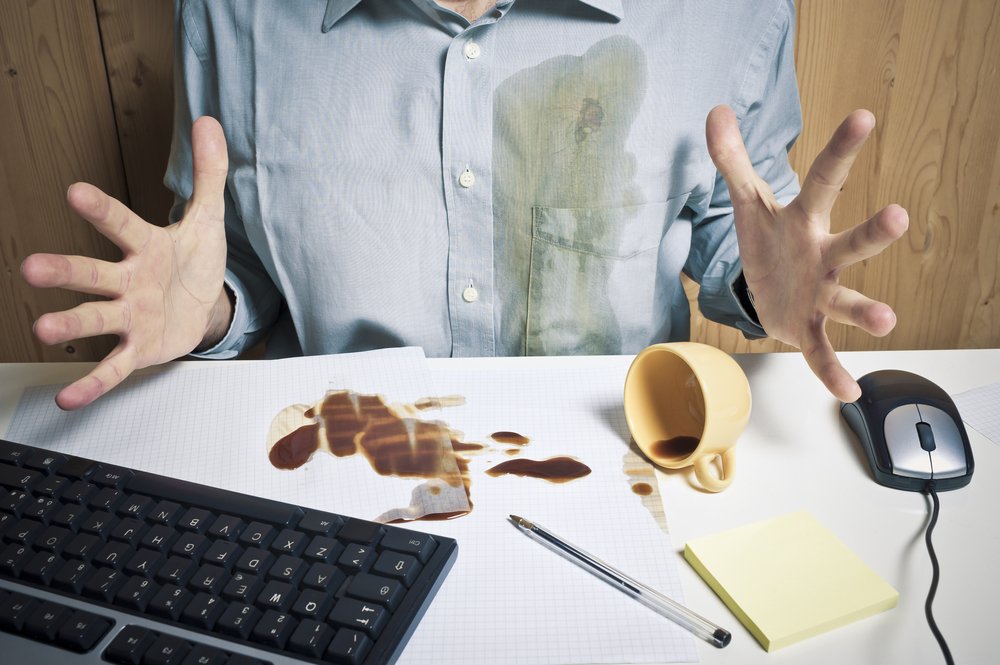
Credit: octoclean.com
Related Office Guides
Continue with these related workspace guides: