
Most people use surge protectors every day, but hardly anyone thinks about how long they actually last. You plug in your computer, TV, phone charger, and trust these small devices to keep your electronics safe. But surge protectors are not immortal.
Over time, they wear out, and when they do, your expensive devices are left vulnerable to sudden spikes in electricity. So, how long do surge protectors last? The answer is not as simple as looking at the manufacture date. Their lifespan depends on several factors, including usage, the strength and frequency of power surges, the quality of the protector itself, and even the environment where you use it.
This article will guide you through everything you need to know about surge protector lifespan. We’ll cover the science behind them, the warning signs that yours is worn out, and the real risks of using an old surge protector. You’ll also learn how to pick a high-quality unit, tips for extending its life, and what to do when it’s time for a replacement.
By the end, you’ll be confident in protecting your electronics and making smarter choices.
Understanding Surge Protectors
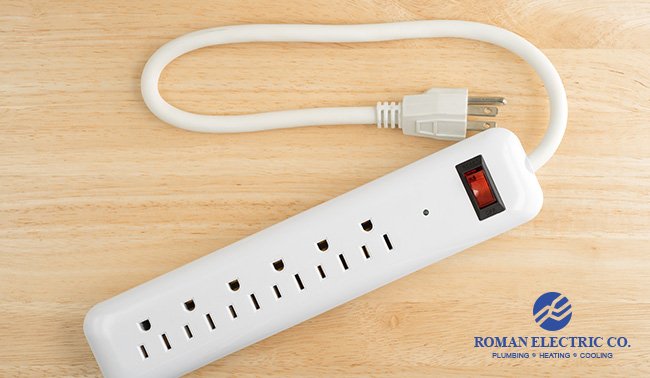
Many people confuse surge protectors with regular power strips. While both let you plug in multiple devices, only surge protectors have built-in technology that protects your electronics from power surges—sudden increases in electrical voltage that can cause serious damage.
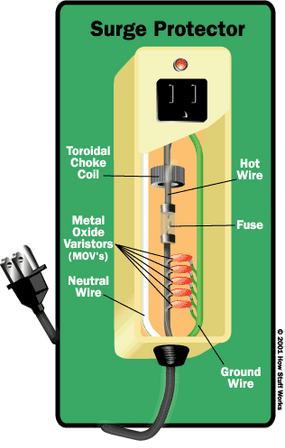
Inside most surge protectors is a component called a metal oxide varistor (MOV). The MOV acts like a shield, absorbing extra voltage and diverting it away from your devices. Every time a surge occurs, the MOV does its job, but it also degrades a little. Over time, these components lose their ability to protect, even if the device still powers your electronics.
Why Surge Protectors Matter
A single strong surge—such as one caused by lightning or a problem at your local power station—can destroy expensive electronics in seconds. Smaller surges, which happen more often, can slowly wear out your devices, causing them to fail years earlier than they should.
With more people working from home and relying on technology, the value of surge protection has never been higher.
How Long Do Surge Protectors Really Last?
There is no fixed “expiration date” for surge protectors. Most people hear numbers like three to five years, but this is just a general guideline. The real answer depends on several factors:
- Joule rating (how much energy the protector can absorb over its life)
- Frequency and strength of power surges in your area
- Quality of the components
- How many devices you plug in
The Joule Rating Explained
Every surge protector has a joule rating—this tells you how much energy it can absorb before failing. Think of it as a bucket: each surge fills it up a bit, and eventually, it’s full and can’t protect anymore. Once the joule capacity is used up, the surge protector is just a power strip.
For example, a unit with a 1,000-joule rating might handle:
- One large 1,000-joule surge (rare, but possible during a storm)
- Ten medium 100-joule surges
- Hundreds of tiny surges over several years
When you buy a surge protector, look for the joule rating. Higher is better, especially if you live in an area with frequent storms or unstable power.
Average Lifespan Data
Most surge protectors last between three and five years under normal conditions. In areas with frequent surges, they may last only two years or less. In calmer regions, a high-quality unit might last up to seven years.
Here’s a quick comparison for reference:
| Joule Rating | Typical Lifespan (Normal Conditions) | High-Surge Area Lifespan |
|---|---|---|
| 300-600 | 1-2 years | 6-12 months |
| 700-1000 | 3-5 years | 1-3 years |
| 1000+ | 5-7 years | 2-4 years |
Non-obvious insight: Even if your surge protector is still working as a power strip, it may have lost all surge protection, and you won’t notice until it’s too late.
What Affects Surge Protector Lifespan?
Frequency And Intensity Of Surges
Every time a surge happens, your protector absorbs energy. Areas with lots of thunderstorms, old wiring, or unstable power grids will experience more surges. This means your surge protector’s life can be much shorter in these places.
For example, a home in Florida (with frequent lightning) will go through surge protectors much faster than a home in California.
Quality Of The Surge Protector
Cheap, no-name protectors often use low-quality MOVs that wear out faster. More expensive models from trusted brands usually offer higher joule ratings and better construction.
Number Of Connected Devices
Plugging in several high-powered devices (like gaming PCs, TVs, or heaters) can put more stress on your surge protector. It will use up its joule rating faster than if you only plug in a lamp or phone charger.
Environmental Factors
Heat, humidity, and dust can affect internal components. Surge protectors in hot, humid, or dusty environments may fail sooner.
Age And Storage
Even if you don’t use your surge protector often, the MOV can degrade slowly over time. Storing them in poor conditions also shortens their lifespan.
Signs Your Surge Protector Needs Replacement
Unlike smoke detectors or car tires, surge protectors rarely give obvious signs when they’re done protecting. But there are clues if you look closely.
Indicator Lights
Many modern surge protectors have a “protected” light. If this light goes out, it means the MOV is worn out, and the unit can no longer protect from surges. However, not all protectors have this feature, and sometimes the light can fail for other reasons.
Physical Damage
Look for burn marks, melted plastic, or a strange smell. These are clear signs of electrical problems and mean the protector should be replaced immediately.
Age
If you can’t remember when you bought your surge protector, it’s probably time for a new one. As a rule, consider replacing surge protectors every 3-5 years, even if they seem fine.
Power Outages
After a major power event—like a blackout, lightning strike, or blown transformer—replace your surge protector. Even if it still works, a big surge may have used up its protection.
Unusual Behavior
If your connected devices flicker, reset, or fail more often, the surge protector may be worn out.
Another non-obvious insight: Some surge protectors fail “open,” meaning they stop passing power to your devices when their MOV is exhausted. Others fail “closed,” so they still pass power but offer no protection. The second case is riskier, as you’ll have no warning.
The Dangers Of Using Old Surge Protectors
It’s easy to ignore old surge protectors, especially if everything seems to work. But using a worn-out unit is risky.
Loss Of Protection
The most obvious risk: your electronics are no longer protected. One big surge can destroy computers, TVs, routers, and anything else plugged in.
Fire Hazard
Damaged or old surge protectors can overheat or cause sparks, increasing the risk of fire. This is especially true for cheap models with poor safety features.
Data Loss
If you use surge protectors for computers or network equipment, a failed unit can lead to sudden shutdowns, corrupted files, or total data loss.
Insurance Issues
Some insurance policies may not cover damage caused by electrical surges if you were using an old or faulty surge protector.
How To Choose A Good Surge Protector
Buying a surge protector is not just about price or the number of outlets. Here’s what really matters:
Joule Rating
Look for a protector with at least 600 joules for small devices and 1,000+ joules for valuable electronics like computers, TVs, or gaming consoles.
Clamping Voltage
This is the voltage at which the protector will start to absorb excess energy. Lower numbers (like 330V) mean faster response and better protection.
Response Time
Faster response times (less than 1 nanosecond) are best. Slow units may let surges reach your devices before reacting.
Number And Type Of Outlets
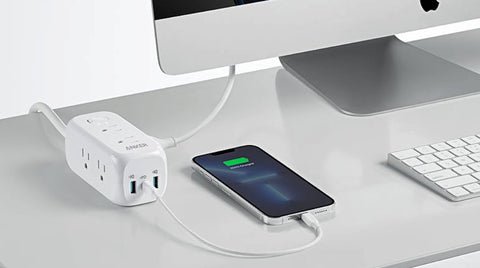
Count your devices before buying. Consider protectors with USB ports for charging phones or tablets.
Indicator Lights
Choose a protector with a clear “protected” light. Some also have a “grounded” light for extra safety.
Brand Reputation
Stick to known brands like APC, Belkin, or Tripp Lite. They invest more in safety and quality testing.
Warranty And Equipment Coverage
Some surge protectors come with a connected equipment warranty. If your device is damaged while properly connected, the manufacturer may cover repairs or replacement.
Here’s a feature comparison between basic and advanced surge protectors:
| Feature | Basic Model | Advanced Model |
|---|---|---|
| Joule Rating | 300-500 | 1000-4000 |
| Indicator Lights | No | Yes |
| Clamping Voltage | 500V | 330V |
| Warranty | None | Yes, with equipment coverage |
| USB Ports | No | Yes |
Credit: www.anker.com
How To Extend The Life Of Your Surge Protector
You can make your surge protector last longer with a few simple habits:
- Unplug during storms: If you know a big thunderstorm is coming, unplug your devices and the protector itself. This avoids massive surges from lightning.
- Don’t overload: Only plug in what you need. Too many high-power devices can stress the unit.
- Keep it clean and cool: Avoid placing protectors near heaters, in direct sunlight, or in dusty places.
- Check regularly: Look at the indicator lights and inspect for damage every few months.
- Replace after big events: If there’s a major blackout, lightning strike, or visible electrical issue, buy a new protector.
Practical tip: Label your surge protectors with the purchase date using a sticker. This makes it easy to remember when to replace them.
What To Do With Old Or Dead Surge Protectors
You should never throw surge protectors in regular trash, as they may contain components that are harmful to the environment. Instead:
- Take them to an electronics recycling center
- Some hardware stores accept old surge protectors for safe disposal
- Check your city’s e-waste guidelines
Recycling helps keep toxic materials out of landfills and lets manufacturers reuse valuable metals.
Credit: electronics.howstuffworks.com
Common Mistakes People Make
Even careful users often make errors with surge protectors. Here are some to avoid:
- Not replacing after a surge: Many believe their protector is still good after a big event.
- Confusing power strips with surge protectors: Not all multi-outlet devices offer surge protection.
- Ignoring the joule rating: Low-rated units run out of protection quickly.
- Plugging surge protectors into each other (“daisy-chaining”): This is dangerous and can cause overheating or fire.
- Using outdoor protectors indoors (or vice versa): Always match the protector to the environment.
Real-world Examples
Consider this: In 2018, a home in Texas lost several thousand dollars’ worth of electronics after a lightning storm. The homeowner had a surge protector, but it was over six years old and had a joule rating of just 400. It had quietly lost its protection years earlier, but the family never realized it.
Another example: A small business owner in Singapore regularly replaced surge protectors every two years, used high-joule units, and unplugged everything during storms. In 12 years, they never lost a single device to a surge—even though the area experienced frequent power issues.
Lesson: Regular replacement and good habits really do make a difference.
Comparing Surge Protectors To Other Solutions
Surge protectors are only one line of defense. There are also uninterruptible power supplies (UPS) and whole-house surge protectors.
| Device Type | Protection Level | Extra Features | Cost |
|---|---|---|---|
| Surge Protector | Individual devices | Multiple outlets, USB ports | Low |
| UPS | Surge + short-term battery backup | Keeps devices running during blackouts | Medium |
| Whole-House Protector | Entire home | Installed at breaker panel | High (installation required) |
For most people, a good surge protector is enough. But if you have very valuable electronics or live in a high-risk area, consider a UPS or whole-house solution for extra safety.
Frequently Asked Questions
How Can I Tell If My Surge Protector Is Still Working?
Check the “protected” indicator light. If it’s off (or if there’s no light), the unit may no longer offer surge protection. If in doubt, replace the surge protector, especially if it’s several years old.
How Often Should I Replace My Surge Protector?
Experts recommend replacing surge protectors every 3-5 years, or immediately after a major power surge or lightning strike. If you live in a high-risk area, consider changing them every 2-3 years.
What Is A Good Joule Rating For A Surge Protector?
For basic electronics, at least 600 joules is acceptable. For computers, TVs, or home theater systems, aim for 1,000 joules or higher. More joules means more protection and longer lifespan.
Can I Plug A Surge Protector Into Another Surge Protector?
No, this is dangerous and can cause electrical problems or fire. Always plug surge protectors directly into a wall outlet.
Where Can I Find More Information About Surge Protectors?
A reliable source for detailed information is the Wikipedia page on surge protectors.
Surge protectors are a simple but vital tool for protecting your electronics and your investment. By understanding their lifespan, knowing when to replace them, and making smart choices, you can avoid expensive losses and keep your technology running smoothly for years.
If you haven’t checked your surge protectors lately, now is the perfect time. Your devices will thank you.
Credit: romanelectrichome.com