
Keeping a workspace clean is often seen as a small detail, but it can have a big impact. A tidy office can boost productivity, reduce stress, and even lower the number of sick days. But many companies and professionals struggle with keeping their desks, meeting rooms, and shared spaces spotless every day. The problem isn’t just cleaning—it’s creating a workspace cleaning schedule that actually works. Without a plan, it’s easy for dust to gather, coffee stains to stick, and germs to spread.
In this article, you’ll discover how to build a practical cleaning schedule for any workspace. You’ll learn which tasks need attention daily, weekly, or monthly, and how to divide responsibilities among team members. We’ll also look at the tools and supplies you need, common mistakes beginners make, and ways to keep your cleaning routine on track.
Whether you work in a large office, a co-working space, or from home, these tips can help you create a healthier, happier work environment.
Why A Workspace Cleaning Schedule Matters
A clean workspace is not just about appearances. It affects how people feel and perform at work. Studies show that employees in tidy offices are 12% more productive. Clean environments also reduce the risk of allergies and illness, which means fewer sick days.
For example, keyboards and phones can carry more germs than a toilet seat if not cleaned regularly.
A workspace cleaning schedule gives structure to the cleaning process. It ensures nothing is forgotten and that every area gets attention. When cleaning is planned, it’s easier to keep up with, and everyone knows their role. This prevents misunderstandings and avoids the “someone else will do it” attitude.
Key Areas To Include In Your Cleaning Schedule
Every workspace is different, but some areas need regular cleaning in almost all offices. Here’s a breakdown of what to include:
- Desks and Workstations: Wipe surfaces, keyboards, and screens.
- Meeting Rooms: Clean tables, chairs, and shared equipment.
- Reception Areas: Tidy up magazines, wipe counters, and clean glass.
- Kitchen or Break Rooms: Empty bins, wash dishes, wipe appliances.
- Restrooms: Clean toilets, sinks, mirrors, and restock supplies.
- Floors and Carpets: Sweep, vacuum, and mop as needed.
- Shared Equipment: Clean printers, copiers, and phones.
- Windows and Glass: Remove smudges and dust.
- Trash and Recycling: Empty bins before they overflow.
- High-Touch Areas: Door handles, light switches, and elevator buttons.
Neglecting any of these can let dirt and germs build up quickly. For example, high-touch areas can spread illness if ignored.
Daily, Weekly, And Monthly Cleaning Tasks
Not every task needs to be done every day. Some jobs are best done less often. Here’s how you can organize your cleaning schedule.
| Task | Daily | Weekly | Monthly |
|---|---|---|---|
| Wipe Desks & Workstations | ✔️ | ||
| Vacuum Carpets | ✔️ | ||
| Clean Windows | ✔️ | ||
| Disinfect High-Touch Areas | ✔️ | ||
| Empty Trash Bins | ✔️ | ||
| Deep Clean Restrooms | ✔️ |
This kind of breakdown prevents important jobs from being missed. For instance, dusting blinds every month stops allergies but doesn’t need daily effort.
Building A Workspace Cleaning Schedule
Setting up a workspace cleaning schedule is about more than just making a list. Follow these steps for a routine that sticks:
1. Assess Your Space
Walk through your workspace and note all areas that need cleaning. Don’t forget hidden spots like behind printers or under desks. Count how many people share each space—busy kitchens or restrooms may need more attention.
2. Define Cleaning Tasks And Frequency
List tasks for each area and decide how often they need to be done. Use the daily, weekly, and monthly structure above. If you notice coffee spills happen every day, add “wipe kitchen counters” to your daily list.
3. Assign Responsibilities
Decide who does each task. In small offices, team members might rotate jobs. In larger companies, cleaning staff may handle most tasks, but employees should still clean their own desks. A cleaning schedule chart helps keep everyone accountable.
4. Provide Supplies And Instructions
Stock up on the right cleaning products: disinfectant wipes, sprays, microfiber cloths, gloves, and garbage bags. Place supplies in easy-to-find spots. Post simple instructions if needed, especially for equipment like coffee machines.
5. Monitor And Adjust
Review your schedule every month. Are tasks being done? Are some areas still dirty? Ask for feedback from your team. Adjust the schedule as needed—flexibility is key.
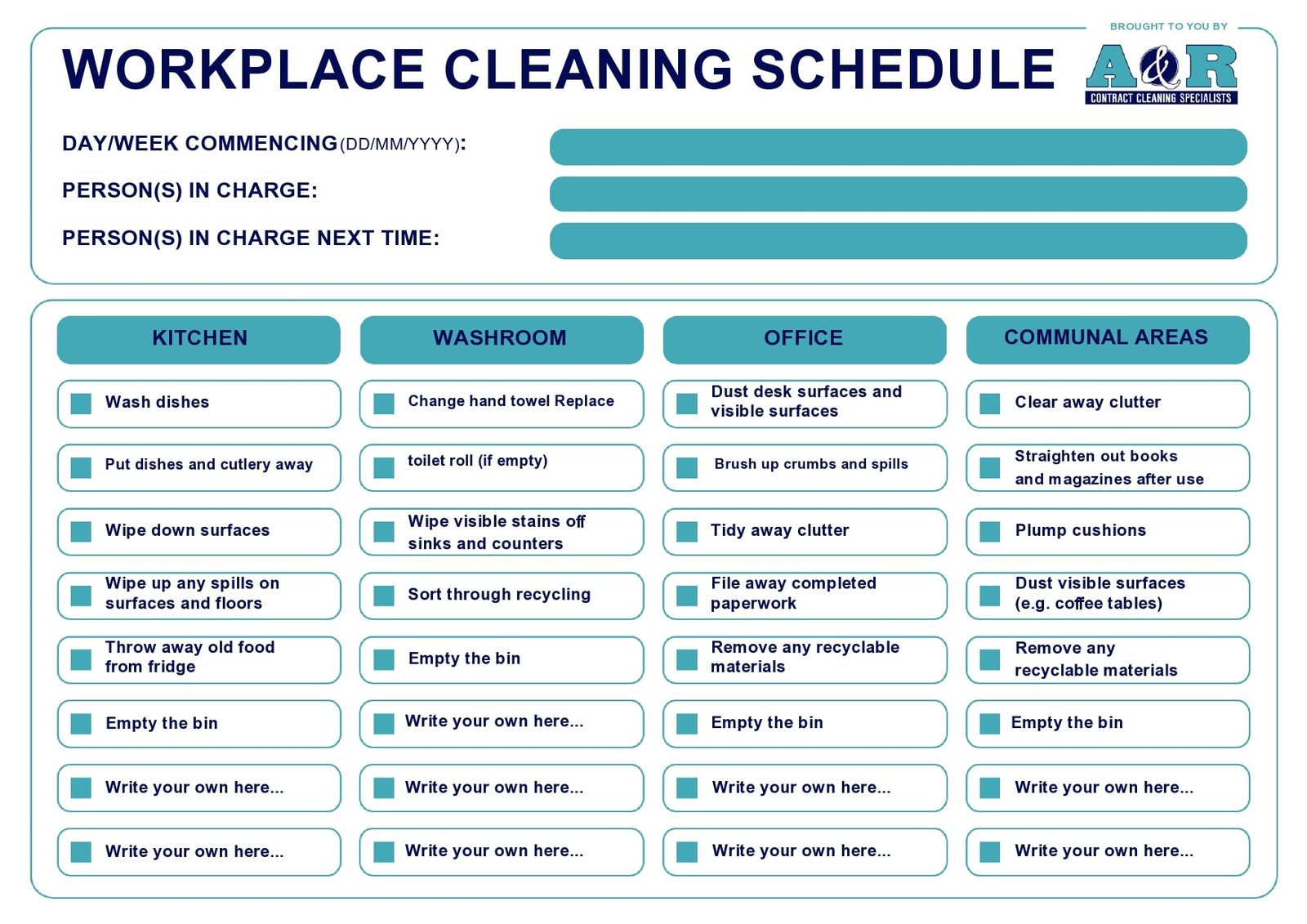
Credit: templatearchive.com
Example: Simple Weekly Cleaning Schedule
Here’s what a practical weekly office cleaning schedule could look like:
| Day | Main Tasks | Responsible |
|---|---|---|
| Monday | Wipe desks, empty bins, clean kitchen surfaces | Alice |
| Tuesday | Vacuum carpets, dust windowsills | Bob |
| Wednesday | Disinfect high-touch areas, clean glass doors | Cleaning Staff |
| Thursday | Deep clean restrooms, mop floors | Cleaning Staff |
| Friday | Organize shared equipment, check supplies | Team |
This approach keeps the workload light and clear for everyone.
Common Mistakes When Setting Up A Cleaning Schedule
Many beginners make simple mistakes that can ruin their cleaning plans. Here are some to watch for:
- Ignoring Shared Spaces: Focusing only on personal desks leaves kitchens, meeting rooms, and restrooms dirty.
- No Accountability: If tasks aren’t assigned, they are often forgotten. Always choose who is responsible.
- Not Enough Supplies: Running out of wipes or bins stops cleaning in its tracks.
- Over-Complicating the Schedule: Too many tasks every day can be overwhelming. Keep it realistic.
- Forgetting to Review: Needs change over time. Review and update your schedule regularly.
Tools And Supplies For Effective Workspace Cleaning
Having the right tools can make cleaning faster and more effective. Here’s what every workspace should have:
- Disinfectant wipes: Quick to use on desks and keyboards.
- All-purpose cleaner: Good for many surfaces.
- Glass cleaner: For windows and screens.
- Microfiber cloths: Trap dust better than paper towels.
- Vacuum cleaner: For carpets and rugs.
- Mop and bucket: For hard floors.
- Trash bags: Always keep extras.
- Disposable gloves: For restroom and kitchen cleaning.
Tip: Color-code cloths (blue for desks, yellow for restrooms) to prevent cross-contamination. Many offices miss this detail, which can spread germs.
How To Motivate Teams To Follow The Cleaning Schedule
A cleaning schedule only works if people stick to it. Here are some ways to keep everyone motivated:
- Lead by example: Managers should follow the rules too.
- Make it easy: Keep supplies nearby and instructions simple.
- Use reminders: Set up calendar alerts or checklists.
- Reward consistency: Small treats or recognition for teams that stay on track.
- Share results: Show before-and-after photos or share feedback about improved cleanliness.
A surprising insight: Many offices see better results when the cleaning routine is part of the company culture, not just a rule.
Adapting The Schedule For Different Workspaces
Not all offices are the same. Here’s how to adjust your cleaning plan:
Open-plan Offices
With many people sharing one space, focus on high-touch areas and shared equipment. Desks should be cleared at the end of each day for easy cleaning.
Home Offices
Even if you work alone, regular cleaning matters. Dust can harm electronics and clutter hurts focus. Schedule a weekly wipe-down and monthly deep clean.
Co-working Spaces
Shared spaces need clear rules. Post the cleaning schedule publicly and ask everyone to clean up after themselves. Hire cleaning staff for deep cleaning.
Industrial Or Workshop Areas
Add tasks like cleaning tools, machines, and safety gear. Floors may need to be swept or scrubbed daily due to dust or spills.
Tracking Your Cleaning Schedule’s Success
How do you know if your cleaning plan is working? Use these methods:
- Visual Checks: Do a walk-through at the end of the week.
- Feedback Forms: Ask employees for their opinion on office cleanliness.
- Illness Rates: Monitor if sick days go down after improving cleaning.
- Supply Usage: If supplies are used regularly, cleaning is happening.
Tracking results helps you improve and keeps everyone focused on the goal.
Adjusting For Seasonal Needs
Some cleaning tasks change with the seasons. In winter, wet floors need more mopping to prevent slips. In spring, more dust may enter through open windows. Plan for these changes by adding or changing tasks in your schedule.
Real-world Example: Cleaning Schedule In Action
A medium-sized marketing firm with 40 employees created a cleaning schedule after a flu outbreak. They added daily cleaning of high-touch areas and weekly deep cleans for restrooms. In three months, sick days dropped by 20%. Employee feedback showed higher satisfaction with their workspace.
The schedule was simple but kept up consistently.
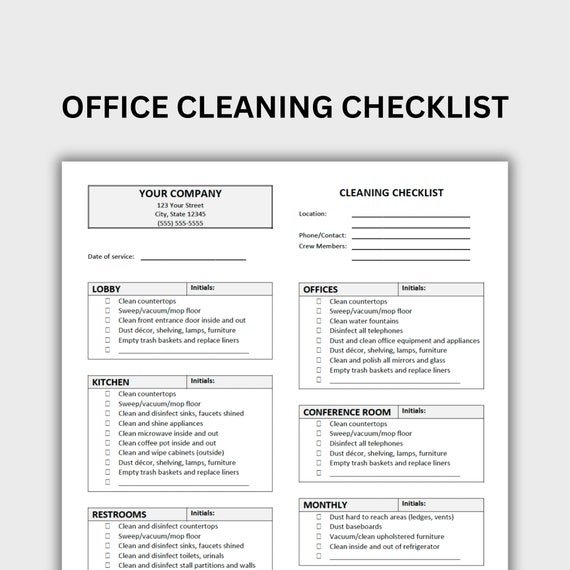
Credit: www.etsy.com
Useful Resources
If you want to learn more about effective workspace cleaning, the CDC’s cleaning guidelines for workplaces offer practical advice and tips for all types of offices.
Frequently Asked Questions
How Often Should I Clean My Workspace?
Clean your desk and high-touch items daily. Other areas like floors or windows may need weekly or monthly attention. The right frequency depends on how many people use the space and what activities happen there.
Who Should Be Responsible For Cleaning In An Office?
It depends on your company. In small teams, everyone can share tasks. In bigger companies, cleaning staff handle most jobs, but each person should still clean their own desk and keep shared spaces tidy.
What Are Common Mistakes When Cleaning Workspaces?
Common mistakes include forgetting shared spaces, not assigning tasks, running out of supplies, and making the schedule too complicated. Review and update your schedule often to avoid these problems.
How Can I Make Sure Everyone Follows The Cleaning Schedule?
Set clear responsibilities, use reminders, keep supplies easy to reach, and reward teams who follow through. Sharing results and feedback helps keep motivation high.
What Cleaning Supplies Are Essential For Offices?
Essential supplies include disinfectant wipes, all-purpose cleaner, glass cleaner, microfiber cloths, vacuum cleaner, mop, trash bags, and gloves. Color-coding supplies helps prevent spreading germs.
A workspace cleaning schedule is more than a list—it’s a way to create a healthier, more productive office. With a clear plan, the right tools, and a bit of teamwork, you can keep your workspace spotless and welcoming all year round.
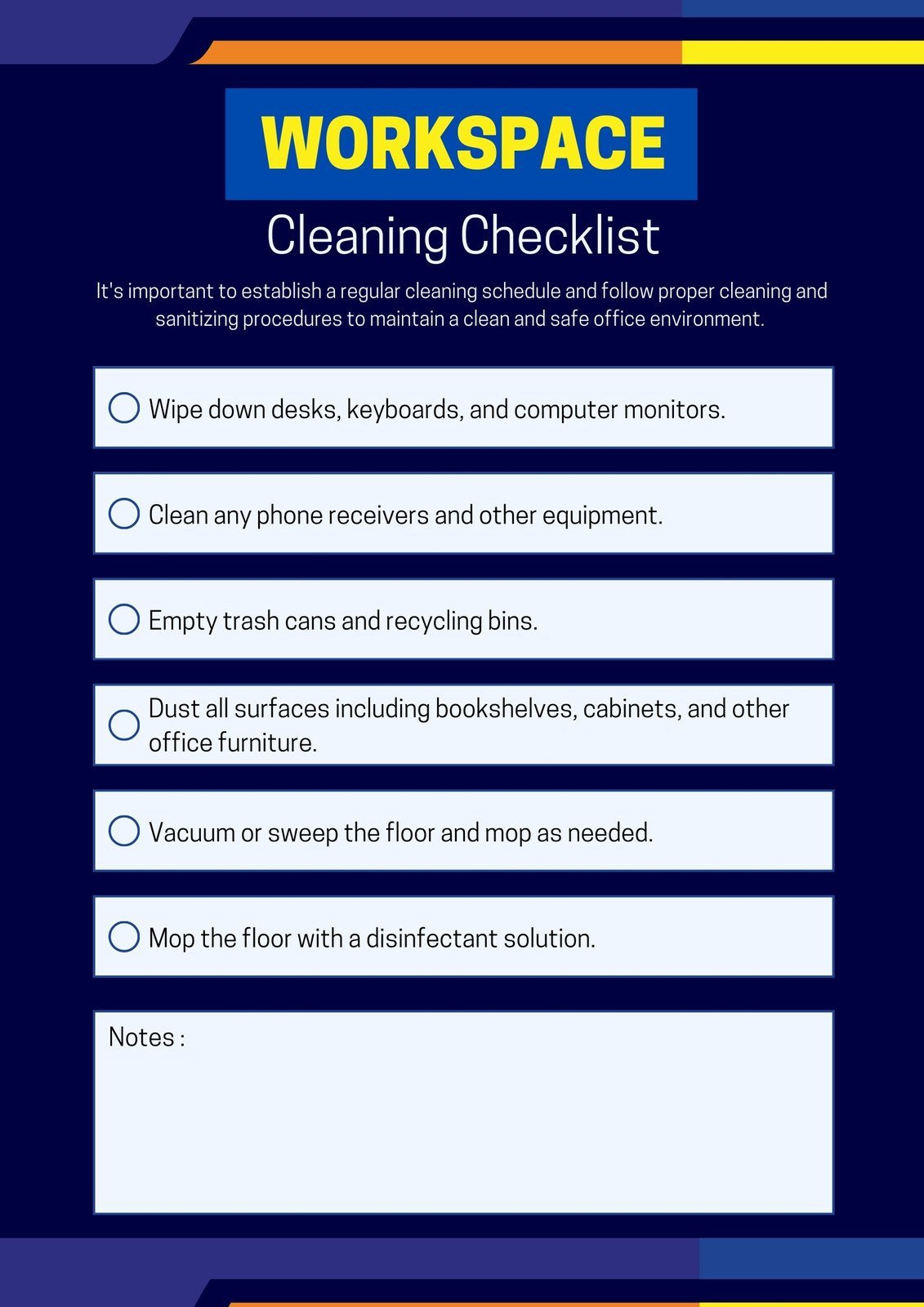
Credit: www.canva.com