A clean workplace is more than just a pleasant environment—it’s a foundation for health, productivity, and company reputation. Many offices overlook small hygiene practices that can make a big difference. Germs, bacteria, and viruses can spread fast in shared spaces, leading to sick days and lower morale. But with the right habits, every team can enjoy a safer, more welcoming office. Let’s explore the best practices for office hygiene and how you can make them part of your daily routine.
Why Office Hygiene Matters
Workplaces are busy. People use shared desks, eat at their computers, and touch the same door handles. Research shows that the average office desk has 400 times more bacteria than a toilet seat. The cost of poor hygiene is real: The CDC estimates that productivity losses linked to employee illness cost U.S. employers $225.8 billion each year. Clean offices are also more attractive to visitors and clients, boosting your business image.
Core Principles Of Office Hygiene
Understanding the basics helps everyone see their role in keeping the office safe:
- Consistency is key. Regular cleaning beats big, one-time efforts.
- Shared responsibility. Every staff member, not just cleaners, plays a part.
- Prevention is better than cure. Stopping germs before they spread saves time and money.
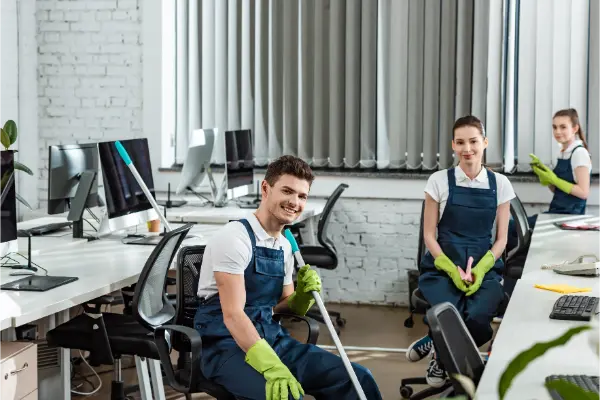
Credit: cfmsaudi.com
Daily Cleaning Habits Everyone Should Follow
Small actions make the biggest impact when done every day:
- Wipe down your workspace before starting and after finishing work. Use disinfectant wipes for your desk, keyboard, and mouse.
- Keep personal items tidy. Don’t let food wrappers, tissues, or paper pile up.
- Clean spills immediately. Wet surfaces are breeding grounds for bacteria.
- Use bins properly. Empty your trash before it overflows, especially if it contains food.
- Avoid eating at your desk. If that’s not possible, clean up crumbs and spills right away.
Washrooms: High-traffic Zones That Need Extra Care
Washrooms are hotspots for germs. Good habits here protect everyone:
- Always wash your hands with soap for at least 20 seconds after using the toilet.
- Dry hands completely, as damp hands spread germs easily.
- Use a tissue or elbow to open doors when possible.
- Report empty soap dispensers or paper towels immediately.
- Avoid touching your face after using shared washroom spaces.
Hand Hygiene: The Number One Defense
Hand washing sounds simple, but it’s often done wrong or skipped. According to the CDC, only 31% of men and 65% of women wash their hands after using public restrooms.
Steps For Proper Hand Washing
- Wet your hands with clean water.
- Apply enough soap to cover all surfaces.
- Rub hands together, cleaning between fingers and under nails.
- Scrub for at least 20 seconds.
- Rinse well and dry.
Hand sanitizers are useful, but not a substitute for washing if hands are visibly dirty.
Shared Equipment: Printers, Phones, And More
Many offices forget about shared devices. These are often touched by dozens of people daily.
- Wipe down printers, telephones, and copiers at least once a day.
- Encourage staff to wash hands before and after using shared items.
- Use disposable covers for shared headsets or keyboards if possible.
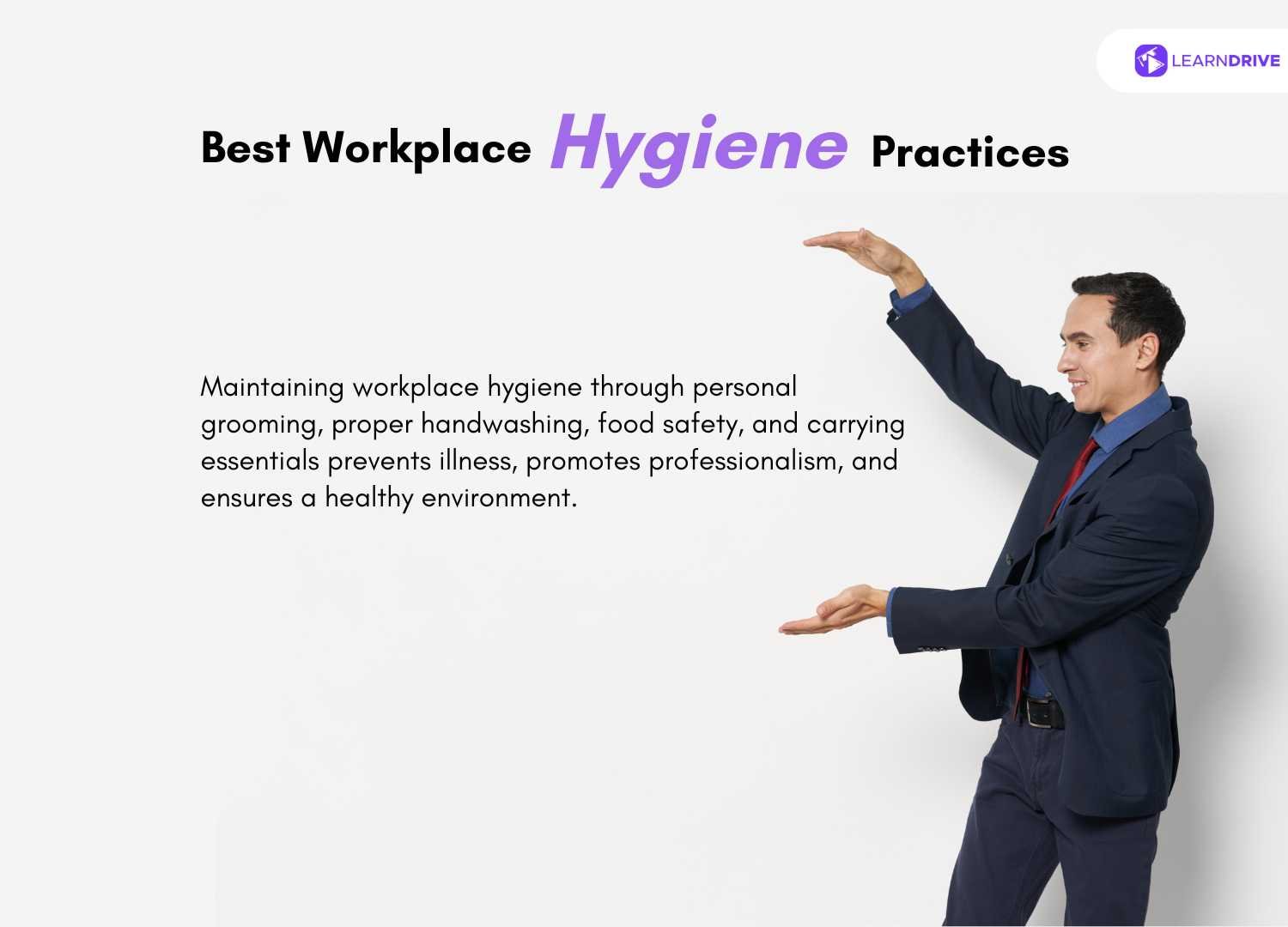
Credit: learndrive.org
Kitchens And Break Rooms: Hygiene Beyond The Desk
Food areas can quickly become messy. Leftovers, spilled drinks, and dirty dishes create perfect conditions for bacteria.
- Store food in sealed containers, labeled with your name and date.
- Clean the microwave and fridge regularly. Set a schedule so it’s not forgotten.
- Wipe tables and counters after each use.
- Use your own cup or mug. If using shared ones, wash them thoroughly.
- Throw out old or spoiled food at the end of each week.
Desk Organization: Clean Space, Clear Mind
A messy desk isn’t just distracting; it can hide dust and germs.
- Keep only what you need on your desk.
- Use organizers or trays for papers and supplies.
- Dust surfaces once a week.
- Disinfect your phone, mouse, and keyboard regularly.
Air Quality: Don’t Overlook What You Can’t See
Clean air helps everyone breathe easier, especially those with allergies.
- Open windows daily if possible, to let fresh air in.
- Replace air filters in air conditioners or heaters on schedule.
- Avoid strong perfumes or sprays that can bother sensitive colleagues.
- Keep plants in the office—they help clean the air, but don’t forget to wipe their leaves.
Handling Sickness: Protecting The Whole Team
When someone comes to work sick, germs spread fast. One sneeze can send 100,000 germs into the air.
- Encourage sick staff to stay home, even with mild symptoms.
- Provide masks for those who must work while unwell.
- Disinfect shared spaces more often during flu season.
- Remind everyone not to share personal items—cups, pens, or phones.
Office Cleaning Schedules: Who Does What And When
A solid cleaning plan makes sure nothing gets missed. Here’s a sample:
| Area | Frequency | Person Responsible |
|---|---|---|
| Desks | Daily | Employees |
| Washrooms | Twice Daily | Cleaning Staff |
| Kitchen | After Each Use | All Staff |
| Floors | Daily | Cleaning Staff |
| Shared Devices | Daily | Employees |
Supplies And Equipment: What Every Office Needs
Without the right tools, even the best intentions can fail. Here’s what to stock:
- Disinfectant wipes for desks and devices
- Hand sanitizers at every entrance and meeting room
- Soap and paper towels in all washrooms
- Trash bags and bins in convenient spots
- Gloves and masks for cleaning tasks
- Signs and reminders about proper hygiene
Training And Awareness: Making Hygiene A Habit
People forget or ignore rules if they don’t see why they matter. Training helps build lasting habits.
- Host short workshops or videos on hand washing and cleaning.
- Post signs in key spots—washrooms, kitchens, and near printers.
- Update everyone regularly about new hygiene policies.
- Celebrate teams or individuals who keep their spaces clean.
Common Mistakes To Avoid
Even with good intentions, some mistakes reduce the effectiveness of office hygiene efforts:
- Overusing disinfectant sprays—they can cause breathing problems if used too much.
- Ignoring high-touch surfaces like door handles and elevator buttons.
- Letting cleaning supplies run out—always have a backup.
- Leaving food overnight in the fridge or on desks.
- Assuming cleaning is someone else’s job—everyone must help.
- Using the same cloth everywhere—use separate cloths for washrooms, kitchens, and desks to avoid cross-contamination.
Data: The Impact Of Good Hygiene
To see why these efforts matter, compare office hygiene before and after improvement:
| Metric | Before Good Hygiene | After Good Hygiene |
|---|---|---|
| Sick Days per Year (per 10 staff) | 18 | 8 |
| Number of Reported Illnesses | 12 | 4 |
| Positive Client Feedback (%) | 65% | 92% |
This shows that simple, regular hygiene practices have a real effect on productivity, well-being, and reputation.
Hygiene Policies: Setting Clear Rules
A written hygiene policy clarifies expectations. It should include:
- What is cleaned, how often, and by whom
- How to report problems or shortages
- Guidelines for food storage and use of shared spaces
- Steps for handling illness at work
- Contact details for emergencies
Once written, review the policy at least once a year and update as needed.
The Role Of Management
Leadership sets the tone. Managers should:
- Lead by example, keeping their own spaces clean
- Remind staff about hygiene during meetings
- Invest in good cleaning products and services
- Address problems quickly
When staff see that hygiene is valued from the top, they’re more likely to follow suit.
Using Technology For Better Hygiene
Modern offices can use technology to help:
- Automatic soap dispensers and taps reduce touchpoints.
- Motion-sensor lights in washrooms and kitchens stop cross-contamination.
- Air purifiers improve air quality, especially in closed spaces.
- Digital checklists ensure cleaning routines are not missed.
Encouraging A Culture Of Cleanliness
Changing habits takes time. Two non-obvious tips for success:
- Make it visible. Place hygiene supplies in clear view, not hidden away. People are more likely to use what they see.
- Gamify cleaning. Some companies offer small rewards to teams with the cleanest areas each month, making it fun and engaging.
What If There’s An Outbreak?
If someone in the office gets a contagious illness (like flu or norovirus):
- Inform all staff, but respect privacy.
- Deep clean all common areas immediately.
- Ask exposed staff to monitor for symptoms.
- Review hygiene policies and improve as needed.
- Consider temporary work-from-home options until it’s safe.
Examples From Leading Workplaces
Companies like Google and Salesforce have strict cleaning routines and clear policies. They provide hand sanitizer on every floor and clean high-touch surfaces multiple times a day. Their focus on hygiene has helped reduce sick days and build a culture where staff feel safe.
A Quick Comparison: Office Hygiene Vs. Home Hygiene
Some people think office hygiene is the same as at home, but there are key differences:
| Aspect | Office | Home |
|---|---|---|
| Number of Users | Many (10+) | Few (1-5) |
| Shared Equipment | Frequent | Rare |
| Cleaning Frequency Needed | Daily | Weekly |
| Risk of Cross-Infection | High | Low |

Credit: www.stathakis.com
Final Thoughts
Good office hygiene is not about being perfect—it’s about building small, regular habits that keep everyone safe and healthy. The benefits are clear: fewer sick days, happier staff, and a better business image. By following the best practices above, any workplace can create an environment where everyone thrives. Remember, the cleanest offices are not the ones with the most rules, but the ones where everyone cares.
For more statistics and guidance on workplace hygiene, you can visit the CDC’s official site.
Frequently Asked Questions
What Should I Do If I Notice Cleaning Supplies Are Missing?
Report it to office management or the cleaning staff immediately. Don’t wait until supplies run out—acting early prevents hygiene gaps.
How Often Should Shared Devices Be Cleaned?
Ideally, clean shared devices like printers and phones daily, and more often during flu season or when someone is sick.
Is Hand Sanitizer Enough If I Can’t Wash My Hands?
Hand sanitizer is useful, especially when soap and water are not available. However, if your hands are visibly dirty or greasy, wash with soap and water as soon as possible.
What’s The Biggest Mistake Offices Make With Hygiene?
The most common mistake is thinking cleaning is only the job of the cleaning staff. Everyone should take part in keeping their area clean.
How Can I Encourage My Coworkers To Follow Hygiene Rules?
Lead by example, gently remind others, and suggest positive ways to build habits—like signs, meetings, or small team rewards for clean spaces.
Related Office Guides
Continue with these related workspace guides: