
Every day, millions of people go to work and spend long hours at their office desks. You may think your desk is a clean, safe space. But the reality is quite different. Office desks are often full of germs and bacteria, sometimes even more than a toilet seat. These invisible threats can make you sick, affect your productivity, and even spread to your family when you go home. Understanding office desk germs facts is not only important for your personal health but also for the well-being of everyone in your workplace.
Many employees are surprised to learn how dirty their workspace can be. Coffee mugs, keyboards, and even that innocent-looking phone can be covered in thousands of bacteria. Most people only think about washing their hands after using the restroom, but few realize that their desks are just as risky.
The good news is, with the right knowledge, you can protect yourself from these hidden dangers. In this article, you’ll discover the truth about office desk germs, where they come from, why they spread, and what you can do to reduce your risk.
By the end, you’ll see your desk in a whole new light.
How Dirty Is Your Office Desk?
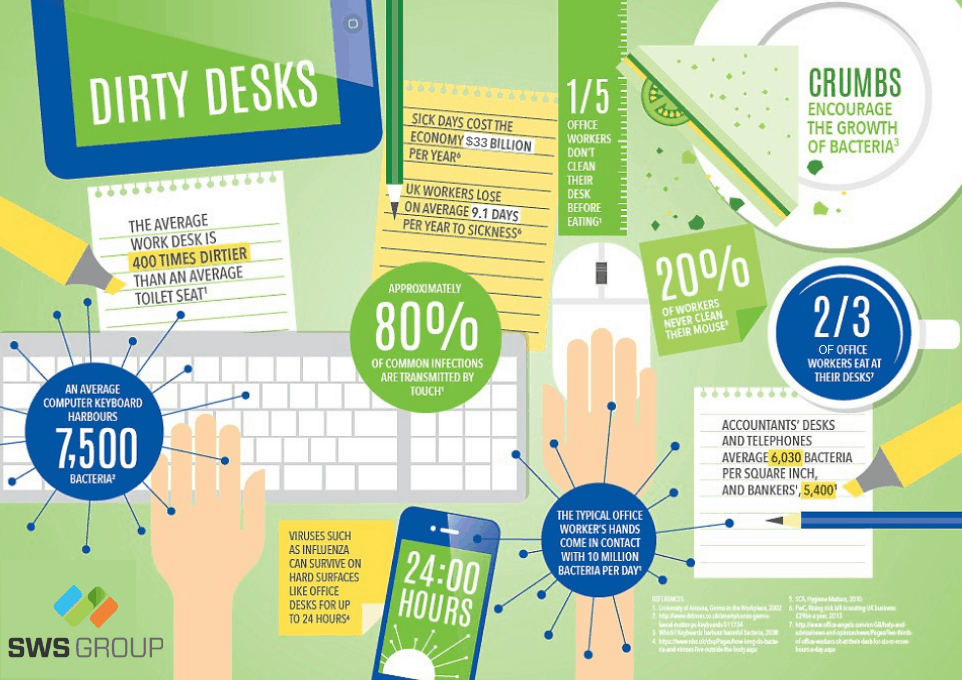
Let’s start with the facts. Office desks are not as clean as you might hope. In fact, studies show the average desk contains 400 times more germs than a toilet seat. According to research by the University of Arizona, the average office desk has around 21,000 bacteria per square inch. Why so many? Desks are high-touch surfaces, and people rarely clean them as often as they should.
Common items like your computer mouse, keyboard, phone, and even your chair can be covered with bacteria, viruses, and fungi. Most offices provide cleaning staff for floors and bathrooms, but desks are usually left to the individual worker. Personal habits, such as eating at your desk or not washing your hands, make the problem even worse.
In shared office spaces, the risk is higher because more people touch the same surfaces.
Here’s a quick look at bacteria counts on everyday office objects:
| Office Item | Average Bacteria (per sq. inch) |
|---|---|
| Desk Surface | 21,000 |
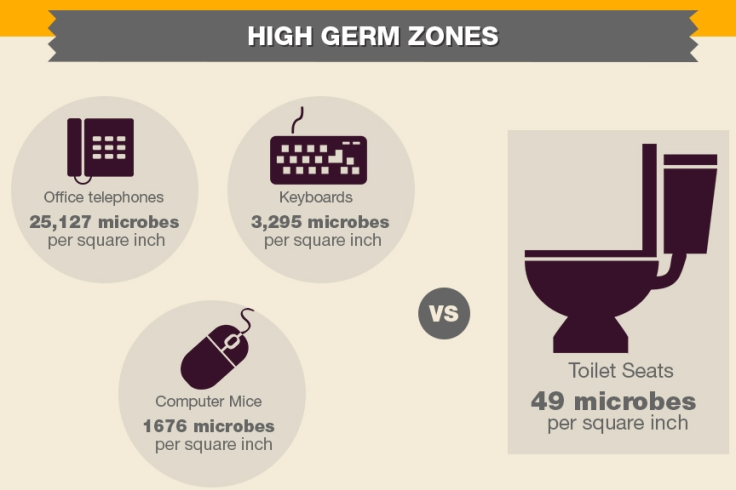
| Keyboard | 3,295 |
| Computer Mouse | 1,676 |
| Phone | 25,000 |
| Toilet Seat | 49 |
These numbers show why taking care of your workspace is so important.
Most Common Germs Found On Office Desks
Your desk is a playground for different types of germs. The main culprits include:
- Bacteria: The most common bacteria found are Staphylococcus aureus (can cause skin infections), E. coli (linked with stomach upsets), and Pseudomonas aeruginosa (can cause eye and skin infections). These can come from unwashed hands, sneezing, or touching shared objects.
- Viruses: Cold and flu viruses can survive for hours or even days on desks and keyboards. If a sick coworker touches your mouse or keyboard, you might catch their illness.
- Fungi and Mold: If you spill coffee or water and don’t clean it up properly, fungi can grow. This can lead to allergies or breathing problems, especially for people with asthma.
- Other Microorganisms: Food particles left behind attract other germs, including yeast and even tiny parasites.
Most people don’t think about these germs because they are invisible. But they are always present, waiting for the right moment to enter your body and cause trouble.
Why Do Office Desks Get So Dirty?
There are several reasons why desks become germ hotspots:
- Eating at your desk: Many workers eat lunch or snacks at their desk. Crumbs fall into the keyboard and drinks spill, creating the perfect environment for bacteria.
- Lack of cleaning: Most people rarely wipe their desk. They might clean the monitor or mouse but forget about drawer handles, pens, or staplers.
- Touching your face: On average, people touch their faces 16 to 23 times per hour. Each time, you transfer germs from your hands to your mouth, nose, or eyes.
- Sharing equipment: Shared phones, printers, and meeting room tables can pass germs between coworkers.
- Bringing germs from outside: When you commute on public transport or touch elevator buttons, you pick up germs and bring them to your desk.
A non-obvious factor is personal items like bags and cellphones. Many people place their bags on the floor in public places and then on their desk. This transfers germs from dirty surfaces directly to your workspace.
Which Desk Items Are The Dirtiest?
Some parts of your desk are dirtier than others. Here’s a closer look at the worst offenders:
Keyboard
Keyboards are rarely cleaned but touched all day. Food particles, hair, and dust get stuck between keys, creating a haven for bacteria. If you sneeze or cough while typing, germs spread quickly.
Phone
Office phones are used by multiple people in some workplaces. The mouthpiece is especially dirty because it collects saliva and skin oils. According to research, phones can have more than 25,000 bacteria per square inch.
Computer Mouse
Like the keyboard, the mouse is touched constantly. People often eat with one hand and use the mouse with the other, spreading grease and bacteria.
Desk Surface
Papers, cups, and devices are placed on the desk all day. Because the surface is large, it collects everything from dust to sweat to food crumbs.
Chair Armrests
Few people think to clean their chair arms, but these are touched every time you sit down or get up. Sweat and skin cells build up over time.
Stationery And Office Supplies
Pens, staplers, and notepads are used by you and sometimes by others. These small items are almost never cleaned, but they can carry a lot of germs.
Personal Items
Cell phones, coffee cups, and bags are often ignored during cleaning. Yet, they’re among the dirtiest objects in any workspace.
Here’s a comparison of bacteria counts for common desk items:
| Item | Bacteria Count (per sq. inch) |
|---|---|
| Phone | 25,000 |
| Keyboard | 3,295 |
| Mouse | 1,676 |
| Desk surface | 21,000 |
| Chair armrests | Unknown (but high) |
| Pen | 200+ |
As you can see, the phone and desk surface are the worst. But even pens and chairs need attention.
Health Risks Linked To Office Desk Germs
Germs on your desk are not just an “ick” factor. They can make you seriously sick or cause minor but annoying health problems.
Common Health Issues
- Colds and flu: Viruses can stay alive for hours on hard surfaces. If you touch your face after touching a dirty desk, you can get sick.
- Stomach bugs: Bacteria like E. coli can cause diarrhea and vomiting. These germs often come from food or dirty hands.
- Skin infections: Touching your face or small cuts on your hands can lead to infections from staph bacteria.
- Allergies and asthma: Mold and dust on desks can trigger allergies and breathing problems.
- Eye infections: Rubbing your eyes with dirty hands or after touching a dirty keyboard can lead to pink eye or other infections.
Hidden Dangers
A less obvious risk is antibiotic-resistant bacteria. Some offices have been found to harbor MRSA (Methicillin-resistant Staphylococcus aureus), which is harder to treat than regular bacteria. While rare, it’s a growing concern in places where people share equipment.
Another issue is food poisoning. When you eat at your desk, bacteria can multiply on leftover food or spills, especially if you leave food out for hours.
How Germs Spread Around The Office
Germs move quickly in an office. Here’s how:
- Touch: You touch your keyboard, then a doorknob, then a printer. Germs transfer from one surface to another.
- Shared items: When people share phones, pens, or kitchen items, germs spread from person to person.
- Airborne droplets: Coughing and sneezing send germs into the air. They land on nearby desks or equipment.
- Hot-desking: In offices where people don’t have assigned desks, the risk is higher. Each person leaves germs behind for the next user.
A surprising way germs spread is through paper. Many office workers handle documents, envelopes, and files that pass through many hands. This is rarely considered a risk, but bacteria can live on paper for several hours.
Credit: www.swsgroup.com.au
How Long Do Germs Live On Office Surfaces?
The lifetime of germs depends on the type. Here are some facts:
- Cold viruses: Can live for up to 24 hours on hard surfaces.
- Flu virus: Usually survives 24 to 48 hours on non-porous surfaces like desks and phones.
- Bacteria: Some, like staph, can last for days or even weeks if not cleaned.
- Mold and fungi: Can survive for months if there is moisture and a food source.
Temperature, humidity, and material affect how long germs live. For example, germs die faster on soft surfaces than on hard plastic or metal. However, most office desks are made of hard materials, so germs last longer.
How Often Should You Clean Your Desk?
Most experts agree: clean your desk at least once a week. But during cold and flu season, it’s better to wipe down surfaces every day. Keyboards and phones should be disinfected regularly, especially if you share them with others.
If you eat at your desk, clean up immediately after eating. Crumbs and spills should be wiped away before bacteria can grow. Don’t forget to clean under your keyboard, your mouse pad, and the arms of your chair.
For high-traffic items like door handles or shared printers, ask your office manager about regular cleaning. It’s also smart to keep disinfectant wipes in your drawer for quick cleanups.
Best Practices To Keep Your Desk Germ-free
Keeping your desk clean isn’t difficult if you follow some simple rules:
- Wash your hands: Do this before and after eating, after using shared equipment, and after touching your face.
- Use disinfectant wipes: Wipe your desk, keyboard, mouse, and phone regularly. Don’t forget pens and drawer handles.
- Don’t eat at your desk: If possible, use the office kitchen or break room. If you must eat at your desk, clean up immediately.
- Keep personal items clean: Clean your cell phone, coffee mug, and bag at least once a week.
- Avoid clutter: The more items on your desk, the harder it is to clean. Keep things organized.
- Don’t share personal items: Use your own mug, pens, and phone whenever possible.
- Empty trash bins daily: Old food, tissues, and other waste are breeding grounds for germs.
- Stay home if you’re sick: Don’t spread germs to coworkers.
A non-obvious tip: Use a desk mat. These mats are easy to clean and help protect the desk surface from spills and crumbs. Also, consider using a keyboard cover that can be removed and washed.
The Role Of Office Cleaning Staff
While personal responsibility is important, the office cleaning team also plays a key role. However, many cleaning contracts focus only on floors, bathrooms, and trash. Desks, keyboards, and phones are often not included unless requested.
Employees should know what the cleaning staff will and won’t do. If desk cleaning isn’t provided, ask your manager about adding it to the cleaning schedule. You can also suggest providing disinfectant wipes and sprays for all workers.
Remember, office cleaning staff may not touch personal items for privacy reasons. It’s up to you to keep your own workspace germ-free.
Credit: www.etsy.com
Differences In Germ Levels: Open Offices Vs. Private Offices
The design of your office impacts germ levels. Open offices, with shared desks and more people in a small area, usually have more germs than private offices.
Here’s a comparison:
| Office Type | Average Germs Found | Main Risks |
|---|---|---|
| Open Plan | Higher (more surfaces shared) | Spread by touch, air, and shared equipment |
| Private Office | Lower (fewer people) | Mostly from personal habits |
| Hot-desking | Highest (many users per desk) | Multiple people, hard to track cleaning |
Hot-desking is the riskiest, as desks are used by different people each day. Without daily cleaning, germs build up quickly.
Myths And Misconceptions About Office Desk Germs
Many people believe things about office germs that aren’t true. Here are some common myths:
- Myth: “My desk looks clean, so it is clean.”
Fact: Germs are invisible. Even a spotless desk can have thousands of bacteria.
- Myth: “Hand sanitizer is enough.”
Fact: Hand sanitizer kills many germs on your hands but does not clean surfaces. You still need to wipe down your desk and equipment.
- Myth: “Only sick people spread germs.”
Fact: Healthy people can carry bacteria and viruses without symptoms.
- Myth: “Cleaning once a month is fine.”
Fact: Germs multiply fast. Weekly or daily cleaning is best.
A non-obvious misconception is that paper is safe. In reality, paper can carry bacteria, especially if handled by many people.
Credit: www.medicaldaily.com
Steps To Create A Healthier Office Environment
Reducing desk germs is good, but creating a healthier office is even better. Here’s what you can do as a team:
- Encourage handwashing: Place signs in bathrooms and kitchens as reminders.
- Provide cleaning supplies: Make disinfectant wipes and sprays available to everyone.
- Educate staff: Hold short talks or send emails about desk hygiene.
- Improve air flow: Good ventilation reduces the spread of airborne germs.
- Set cleaning rules: Decide on a cleaning schedule for shared equipment.
- Promote remote work: Let people work from home if they’re sick.
A healthier office means fewer sick days, higher morale, and better productivity for everyone.
Frequently Asked Questions
How Often Should I Disinfect My Office Desk?
It’s best to disinfect your desk at least once a week. During flu season, clean your desk, keyboard, mouse, and phone every day. If you eat at your desk or share it with others, disinfect more often.
Is Eating At My Desk Really That Bad?
Yes, eating at your desk increases the risk of germs. Food crumbs and spills attract bacteria and mold. If you must eat at your desk, clean up immediately and wipe the surface with a disinfectant.
What’s The Dirtiest Item On My Desk?
Research shows that the office phone and desk surface have the most bacteria. Keyboards and mice also have high germ counts. Clean these items regularly to reduce your risk.
Can I Get Sick From Touching My Desk?
Yes, you can catch colds, flu, stomach bugs, and even skin infections from dirty desks. Germs enter your body when you touch your face, mouth, or eyes after touching contaminated surfaces.
Do Antibacterial Wipes Really Work On Office Germs?
Yes, antibacterial wipes kill most bacteria and viruses on hard surfaces. Use them on your desk, keyboard, mouse, phone, and other frequently touched items for the best protection.
If you want to learn more about bacteria in workplaces, the Centers for Disease Control and Prevention offers detailed guidance.
Keeping your desk clean does not have to be hard or time-consuming. With a few small changes to your daily routine, you can protect yourself and your coworkers from unnecessary illness. Next time you sit down at your desk, remember: what you can’t see could hurt you—so make office hygiene a priority.
Related Office Guides
Continue with these related workspace guides: