
Wireless Charging Vs Wired Charging Speed
The way we charge our devices is changing fast. Just a few years ago, plugging your phone into a cable was the only option. Today, wireless charging is everywhere—from airports to coffee shops, and even inside cars. But many people wonder: does wireless charging work as fast as wired charging? If you need a quick power boost, which should you choose? The answer is not as simple as it sounds.
In this article, you’ll learn the real differences between wireless charging and wired charging speed. We’ll look at technology, real-world performance, and what affects charging times. You’ll also discover some details most people miss, including how your habits, your device, and even your phone case can make a difference. If you want to make smarter choices about charging your gadgets, you’re in the right place.
Understanding Wired Charging
Wired charging means using a cable to connect your device directly to a power source. This method has been around since the first mobile phones. Over time, wired charging has become much faster and safer.
Most phones today use USB-C or Lightning cables. Modern chargers can deliver from 5 watts to over 120 watts of power. For example, some flagship Android phones can fill their battery from zero to 100% in less than 30 minutes with special fast chargers.
How Wired Charging Works
Wired charging is simple. When you plug the cable into your phone and a charger, electricity flows straight to the battery. There is little energy lost, so charging is fast and efficient. The cable and charger must match your device’s needs to deliver the highest speed.
Advantages Of Wired Charging
- Speed: Wired charging is usually faster because there is less energy lost.
- Efficiency: Almost all the power from the charger goes into the battery.
- Reliability: Cables rarely have connection problems.
- Compatibility: Most devices come with a charging cable that works out of the box.
Wired Charging Technologies
Some brands offer special charging systems:
- Qualcomm Quick Charge
- USB Power Delivery (USB-PD)
- OPPO VOOC / SuperVOOC
- OnePlus Warp Charge
- Apple Fast Charge (for iPhones)
These technologies use higher voltages or currents to reduce charging time. For example, the Xiaomi 120W HyperCharge can fill a 4,500 mAh battery in just about 17 minutes.
Understanding Wireless Charging
Wireless charging uses electromagnetic fields to send power from a charging pad to your device—no cables needed. You place your phone or earbuds on a mat, and charging starts automatically.
Most devices today use the Qi standard (pronounced “chee”), which is used by Apple, Samsung, Google, and many others.
How Wireless Charging Works
Inside the charging pad is a coil of wire. Your device also has a coil. When you place the device on the pad, electricity flows through the pad’s coil, creating a magnetic field. This field transfers energy to your device’s coil, which turns it back into electricity to charge the battery.
Advantages Of Wireless Charging
- Convenience: Just drop your device on a pad—no need to plug in.
- Less wear and tear: No port damage from plugging and unplugging cables.
- Multiple devices: Some pads can charge phones, earbuds, and watches at once.
Wireless Charging Technologies
- Qi Standard: Used by most phones and devices.
- MagSafe (Apple): Adds magnets to keep the phone aligned on the pad.
- Reverse Wireless Charging: Some phones can charge other gadgets wirelessly.
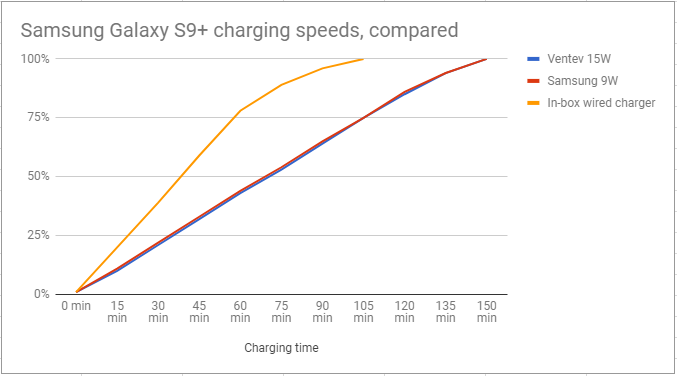
Wireless charging has improved, but it still can’t match the fastest wired chargers. Most wireless pads deliver between 5W and 15W for phones, but a few special models can reach 50W or more (for example, Xiaomi’s 50W wireless charger).
Credit: www.nonstopproducts.com
Comparing Charging Speeds: Wired Vs Wireless
Let’s look at real numbers to see how fast each method is. These values are averages for modern smartphones (as of 2024).
| Charging Method | Typical Power Output | 0-50% Charge Time | 0-100% Charge Time |
|---|---|---|---|
| Standard Wired (5W-10W) | 5-10W | ~60 minutes | ~120 minutes |
| Fast Wired (18W-65W) | 18-65W | ~15-30 minutes | ~30-60 minutes |
| Ultra Fast Wired (100W+) | 100W+ | ~10 minutes | ~20-25 minutes |
| Standard Wireless (5W-10W) | 5-10W | ~75 minutes | ~150 minutes |
| Fast Wireless (15W-50W) | 15-50W | ~30-45 minutes | ~60-90 minutes |
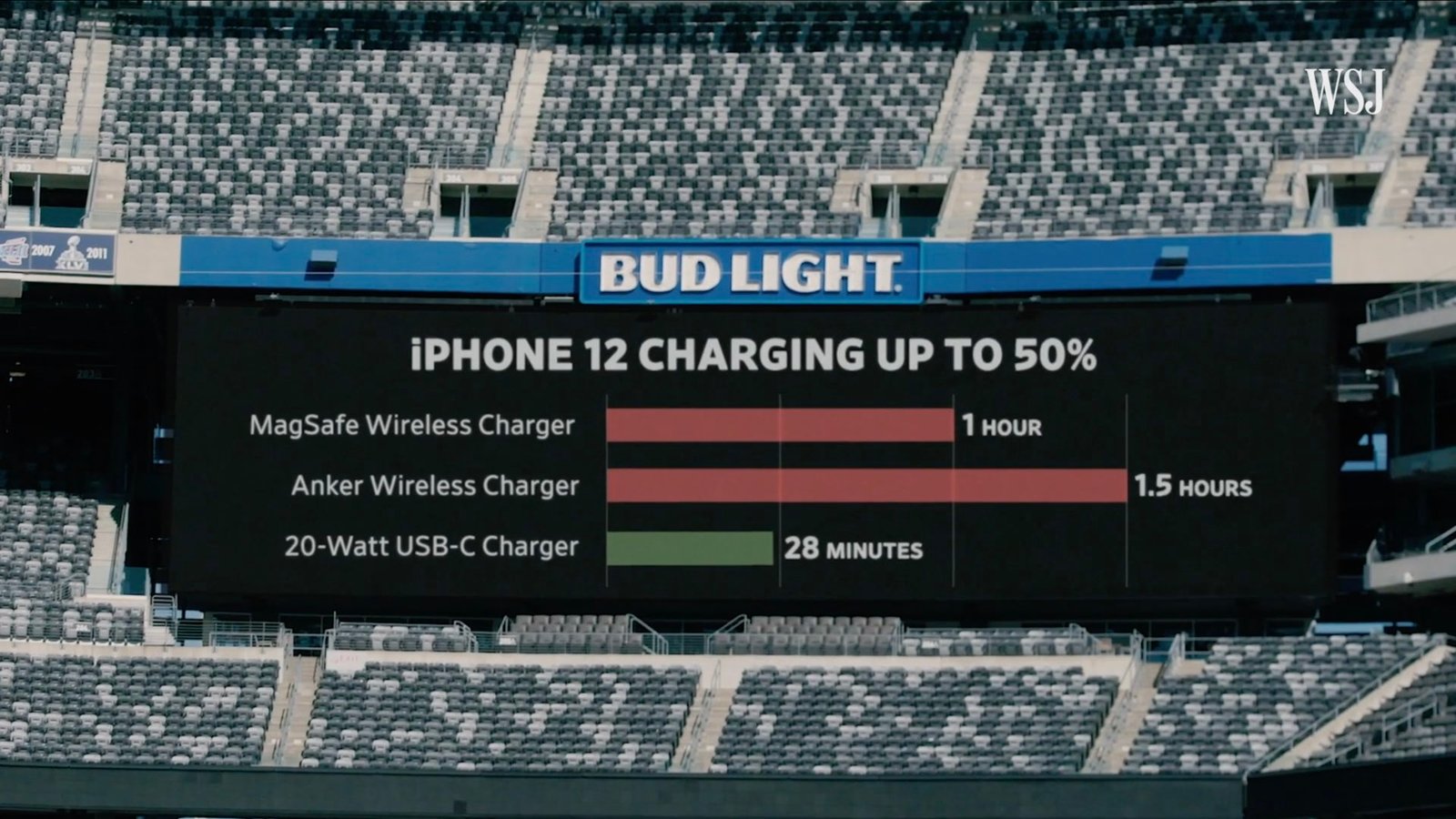
You can see that wired charging is almost always faster, especially with high-power chargers. Wireless charging is catching up, but it still takes more time to reach a full battery.
What Affects Charging Speed?
It’s not just the charger that matters. Many other things can change how fast your device charges.
1. Device Compatibility
Not every phone supports fast charging—wired or wireless. For example, an iPhone 12 can charge wirelessly at up to 15W, but only on an official MagSafe charger. If you use a basic Qi pad, the speed drops to 7. 5W.
2. Cable And Adapter Quality
Cheap or old cables can slow down charging, even if you have a fast charger. Always use certified cables and adapters for the best results.
3. Phone Case Thickness
Thick or metal cases can block the magnetic field in wireless charging. This slows charging or stops it completely. Remove thick cases for best results.
4. Battery Size And Health
Bigger batteries take longer to fill. Also, older batteries charge more slowly as they age. Fast charging slows down automatically to protect old batteries.
5. Charging Habits
Using your device while charging can slow down both wired and wireless charging. High temperatures (from gaming or streaming) make the battery charge more slowly to prevent damage.
6. Power Loss And Heat
Wireless charging loses more energy as heat. Sometimes, only 60-70% of the energy makes it into the battery. Wired charging is much more efficient, with about 90-95% efficiency.
Here’s a quick look at energy efficiency:
| Charging Method | Energy Efficiency | Heat Produced |
|---|---|---|
| Wired Charging | 90-95% | Low |
| Wireless Charging | 60-75% | Medium-High |
Real-world Examples
Let’s compare real phones. Consider the Samsung Galaxy S23 Ultra and the iPhone 14 Pro Max.
- The Galaxy S23 Ultra supports up to 45W wired charging and 15W wireless charging.
- Wired: 0-100% in about 60 minutes (using a 45W charger).
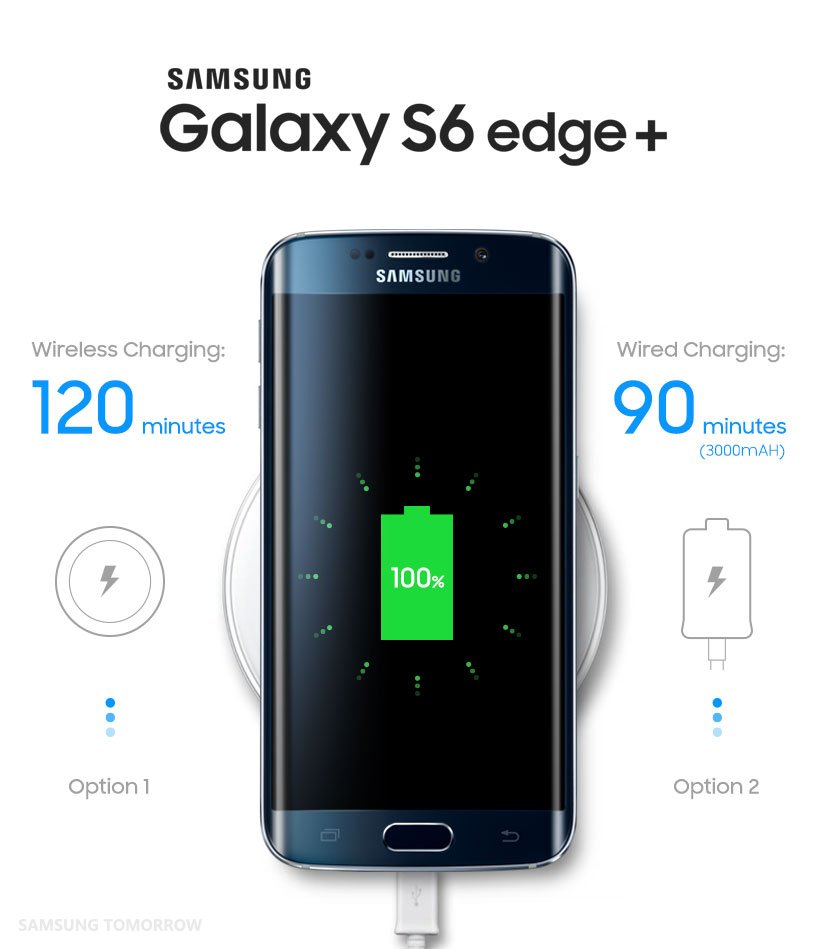
- Wireless: 0-100% in about 100-120 minutes.
- The iPhone 14 Pro Max supports 27W wired charging and 15W wireless (MagSafe).
- Wired: 0-100% in about 90 minutes.
- Wireless (MagSafe): 0-100% in about 120-150 minutes.
Even with the best wireless chargers, wired charging wins in speed.
When Is Wireless Charging Good Enough?
Wireless charging shines in everyday use. If you keep your phone on a charging pad at your desk, it stays topped up all day. You don’t need to think about plugging in. For overnight charging, speed is less important—convenience is what matters.
Some new cars have wireless charging pads in the center console. This is perfect for keeping your phone alive on long trips, where speed is less important than steady charging.
Wireless charging is also great for people who have trouble with cables, such as those with physical disabilities or elderly users.
Credit: news.samsung.com
When You Should Choose Wired Charging
If you need to fill your battery quickly—before leaving for work or during travel—wired charging is the clear winner. Fast chargers can give you hours of use in just a few minutes. Some phones offer “super charge” features that give you 50% battery in 10-15 minutes.
Wired charging is also better for devices that need a lot of power, like laptops or tablets. Wireless charging for large batteries is still rare and usually slow.
Common Mistakes People Make
Most people focus only on charger speed but forget these points:
- Using the wrong cable: Even with a fast charger, a cheap or old cable can cut speed in half.
- Stacking devices: Placing multiple phones on one wireless pad can slow down charging for both.
- Thick or metal cases: These block wireless charging and waste energy.
- Ignoring compatibility: Just because a pad says “fast wireless” doesn’t mean your phone supports it.
- Charging overnight with fast chargers: Not needed; overnight charging should use standard speeds to protect battery health.
Credit: www.idownloadblog.com
Safety: Is One Safer Than The Other?
Both wired and wireless charging are safe if you use certified products. However, wireless charging creates more heat, which can age your battery faster if used all the time. Wired charging with super-fast chargers also increases heat, but good devices slow down charging when the battery is nearly full to prevent damage.
One useful tip: For the longest battery life, use standard speed charging most of the time, and save fast or wireless charging for when you really need it.
The Future: Will Wireless Charging Overtake Wired?
Wireless charging is improving quickly. Some brands now offer 50W or even 80W wireless pads. But these require special phones, and the pads cost more. Most phones still charge fastest with a cable.
There are also new technologies, like over-the-air charging, being tested. This could let you charge without even touching a pad—just being in the same room as a charger. For now, though, wired charging is still the king of speed.
For more technical information about wireless charging standards, you can visit the official Wikipedia page on wireless power transfer.
Frequently Asked Questions
Is Wireless Charging Bad For My Battery?
Wireless charging is not bad for your battery if you use certified chargers and don’t let your phone overheat. However, wireless charging does produce more heat, which can slowly reduce battery life if used every day.
Can I Use My Phone While Wireless Charging?
Yes, you can use your phone while it’s charging wirelessly, but it may charge more slowly. Also, holding or moving the phone can break the alignment, which stops charging.
Why Does My Phone Charge Slower Wirelessly Than With A Cable?
Wireless charging is less efficient. Some energy is lost as heat, and the maximum power output is usually lower than wired chargers. Also, things like phone cases or misalignment can reduce speed.
Do All Phones Support Fast Wireless Charging?
No. Only certain phones support fast wireless charging, and even then, you need a compatible charging pad. Check your device’s specs to know what it supports.
Which Is Better For Charging Overnight: Wired Or Wireless?
Both are fine, but standard speed wired charging is usually safest for overnight charging. Wireless charging is also safe, but avoid using fast charging for long periods to protect your battery.
Choosing how to charge your device depends on your needs. For the fastest results, stick with wired charging. For maximum convenience, wireless charging is hard to beat. Either way, knowing what affects charging speed will help you make better decisions and keep your devices ready when you need them.
Related Office Guides
Continue with these related workspace guides: