Using a third-party charger for your phone or laptop is something many people do, often without a second thought. After all, original chargers can be expensive or hard to find, and third-party options are everywhere—online, at the corner shop, and even at airports.
But is it really safe to use a charger that didn’t come with your device? This question matters more than most people realize. Some say it’s fine, others warn of fires and battery damage. The truth sits somewhere in the middle, and it depends on what you buy, how you use it, and a few things most users never notice.
Let’s clear up the confusion and give you the facts you need to stay safe and keep your devices running smoothly.
What Is A Third-party Charger?
A third-party charger is any power adapter or cable not made by your device’s original manufacturer. For example, if you have a Samsung phone but use a charger from Anker, UGREEN, or a no-name brand, that’s a third-party charger. Some third-party brands are well-known and trusted, while others are cheap copies with no safety standards. It’s important to know the difference because not all third-party chargers are equal.
Types Of Third-party Chargers
- Certified Brands: Companies like Anker, Belkin, and Aukey spend money on safety testing and quality. Their products often have certifications like UL, CE, or FCC.
- Generic/No-Name Chargers: These are often the cheapest and easiest to find, but they rarely have any real safety certification.
- Counterfeit Chargers: These are made to look like the original, but are actually fakes. They can be dangerous because they might not follow any safety rules.
Why Do People Use Third-party Chargers?
The main reason is cost. Original chargers from brands like Apple or Samsung can cost three to five times more than a third-party charger. Also, sometimes the original charger is lost, broken, or not available. For travelers or busy people, it’s tempting to buy a cheap charger quickly. Some people also want features like longer cables, multiple ports, or faster charging, which third-party products often promise.
The Science Of Safe Charging
Chargers do more than just provide power. They must control voltage and current to charge your device safely. If a charger sends too much or too little power, it can damage the battery, overheat the device, or even cause a fire.
How Charging Works
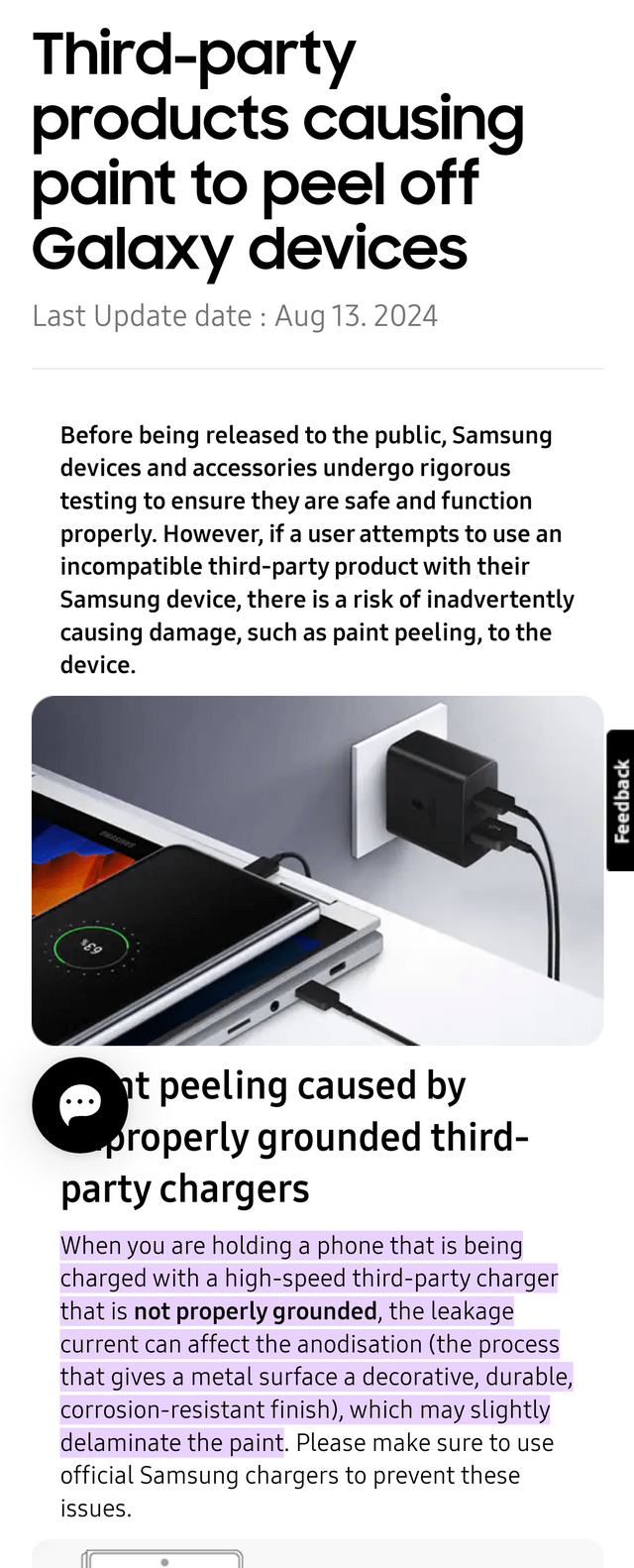
Your device has a battery management system (BMS) that talks to the charger. If the charger is made correctly, it “negotiates” with your phone or laptop and only sends the right amount of power. Good third-party chargers follow these rules. Cheap or fake chargers often skip important safety steps.
Non-obvious insight: Even when a third-party charger fits your device, it might not “talk” to your battery management system correctly. This silent mismatch can slowly damage your battery, even if you don’t notice any problems at first.
Risks Of Using Third-party Chargers
Not all risks are obvious. Some problems show up quickly, but others take months to appear.
1. Battery Damage
If a charger sends the wrong voltage or current, your battery may overheat or wear out faster. Damaged batteries hold less charge and may need replacement sooner. This is especially true for lithium-ion batteries, which are sensitive to poor charging.
2. Device Overheating
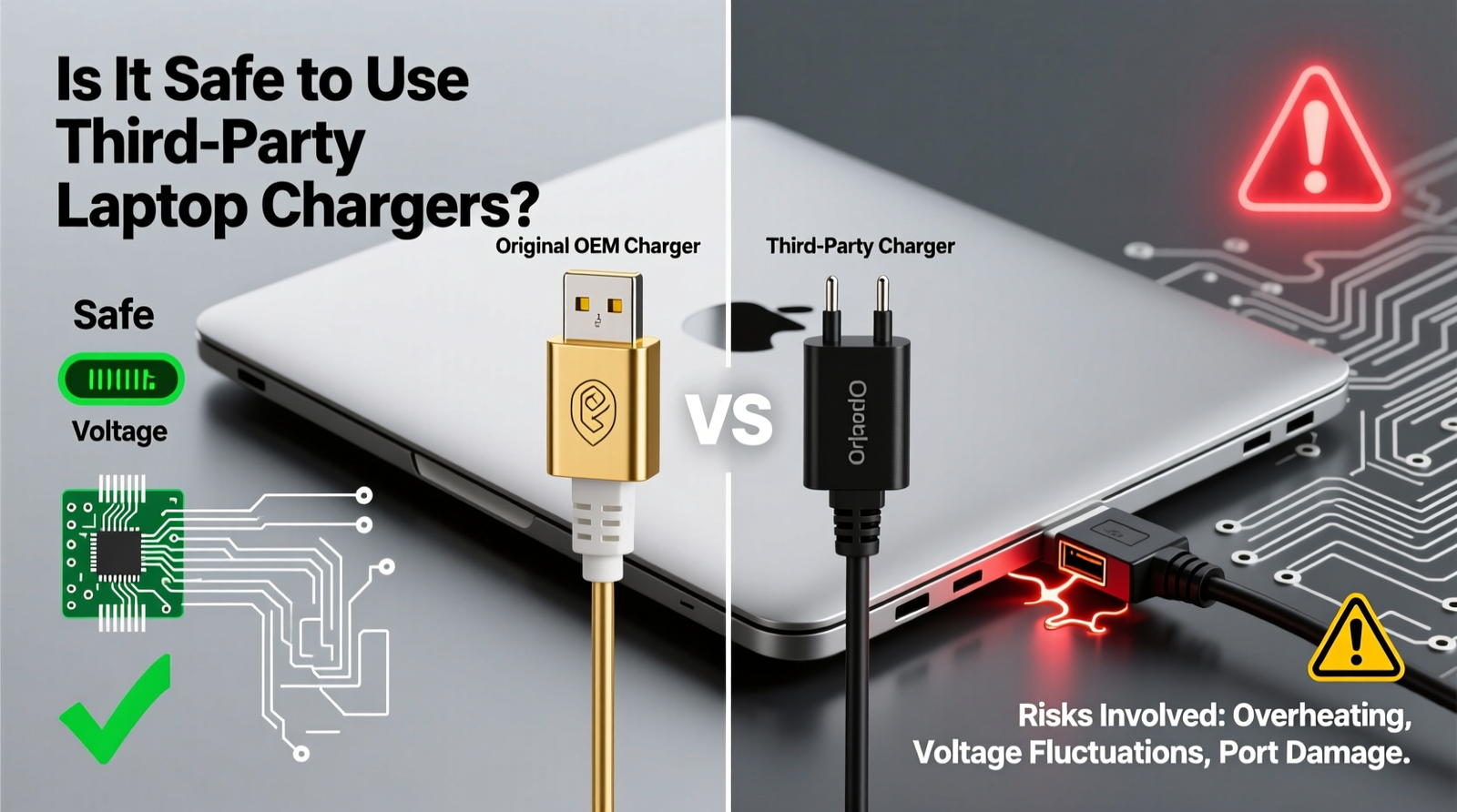
A low-quality charger can overheat your device. Overheating is one of the top reasons for phone and laptop failures. In rare cases, it can cause burns or even start a fire.
3. Electrical Shock And Fire Hazard
According to the U.S. Consumer Product Safety Commission, thousands of home fires each year are linked to small electronics and chargers. Cheap chargers with poor wiring or missing safety cut-offs can spark, melt, or shock users.
4. Slow Or Inconsistent Charging
Some third-party chargers don’t deliver the promised power. Your phone may charge slowly, or stop charging at all. If your charger keeps disconnecting, it’s a sign of poor quality.
5. Data Security Risks
Some USB chargers can have hidden chips that transfer malware or steal data when you plug in your device, especially in public places. Always avoid public USB ports or unknown chargers.
Non-obvious insight: Many people think only charging bricks matter, but charging cables are just as important. A poor-quality USB cable can overheat or cause charging errors, even if the adapter is good.
Credit: www.alibaba.com
When Are Third-party Chargers Safe?
Not all third-party chargers are dangerous. Many are as safe as the original—sometimes even better. The key is in the certification and build quality.
Signs Of A Safe Third-party Charger
- Official Certification: Look for labels like UL (Underwriters Laboratories), CE (Conformité Européenne), FCC (Federal Communications Commission), or MFI (Made for iPhone/iPad). These mean the product passed safety tests.
- Brand Reputation: Choose brands with good reviews, clear contact info, and a real warranty.
- Correct Voltage and Current: Match the output (V/A) on the charger to your device’s needs.
- Solid Construction: Good chargers feel sturdy, not flimsy. The cables fit securely, and the adapter doesn’t wiggle in the socket.
Here is a comparison of what to check on a charger’s label:
| Charger Feature | Safe Third-Party Charger | Unsafe Charger |
|---|---|---|
| Certification Label | UL, CE, FCC, MFI | None or fake labels |
| Output Voltage | Matches device (e.g., 5V/9V) | Unclear or wrong voltage |
| Build Quality | Feels solid, no rattling | Light, loose, rattles |
| Brand Info | Clear, support offered | None, no support |
How To Choose A Safe Third-party Charger
Follow these steps to lower your risk:
- Check for Certification
- Look for real safety marks (UL, CE, FCC, or MFI for Apple devices).
- If you can’t see any marks, don’t buy it.
- Research the Brand
- Search for reviews on websites like Amazon or tech blogs.
- Avoid brands with lots of fake reviews or no info at all.
- Match the Power Output
- Your phone or laptop needs a certain voltage and current (written in the manual or on the device).
- The charger must match or safely support this range.
- Buy from Trustworthy Stores
- Get chargers from official shops, big online retailers, or certified sellers.
- Avoid market stalls, unknown websites, or “too cheap to be true” offers.
- Check for Warranty and Support
- Good brands offer a warranty. If something goes wrong, you can get help.
Comparing Original Vs. Third-party Chargers
Let’s see how original and quality third-party chargers compare on important factors:
| Feature | Original Charger | Certified Third-Party |
|---|---|---|
| Price | High | Medium |
| Safety | Very high | High (if certified) |
| Warranty | Always included | Often included |
| Features | Standard | Extra ports, longer cable, etc. |
Credit: www.reddit.com
Common Mistakes When Using Third-party Chargers
Many users make the same errors, which increases risk:
- Ignoring Certification: Assuming all chargers are the same and not checking for safety marks.
- Mixing Cables and Bricks: Using a good adapter with a poor-quality cable (or the opposite).
- Overloading Power Strips: Plugging many chargers into one strip can overheat outlets.
- Using Damaged Chargers: If a charger or cable is frayed, cracked, or smells burnt, stop using it.
- Charging Overnight with Cheap Chargers: This is risky, especially with no-name brands, since there’s no guarantee the charger will stop current when the device is full.
Data And Statistics: How Big Is The Problem?
Unsafe chargers are not a small issue. Here are some facts:
- A 2016 study by Electrical Safety First (UK) found that 98% of counterfeit Apple chargers failed basic safety tests.
- According to the National Fire Protection Association, electrical distribution and lighting equipment (including chargers) were involved in 34,000 home fires in the U.S. in 2019.
- The London Fire Brigade warns that fake chargers cause hundreds of fires each year in homes and workplaces.
Most fires happen with the cheapest, uncertified chargers. Good third-party brands rarely cause problems.
Credit: www.alibaba.com
Real-world Examples
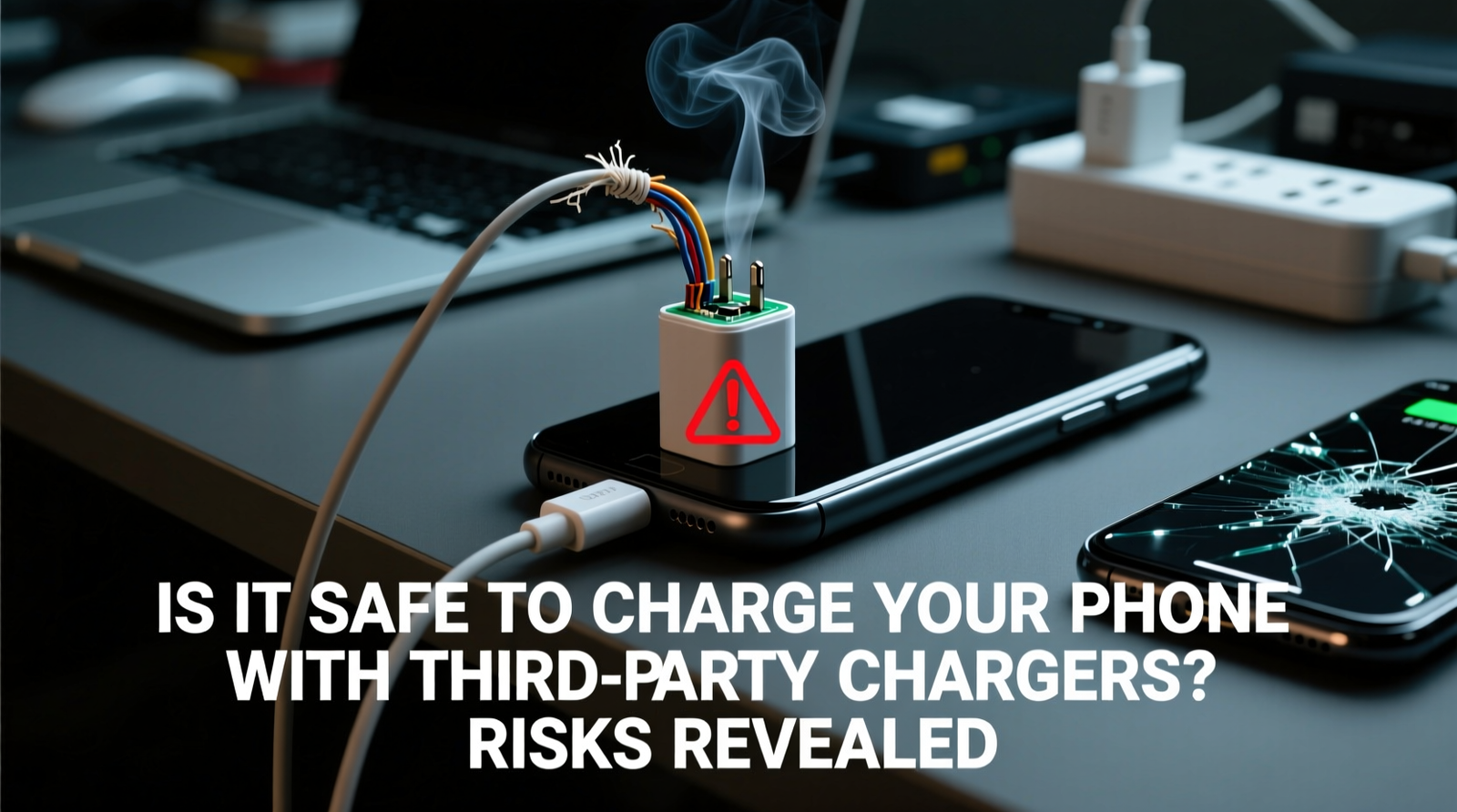
A London teenager suffered burns when a fake iPhone charger exploded on her bed. In the U. S. , a house fire was traced to a cheap phone charger without a safety cut-off. On the other hand, millions of people safely use third-party chargers from top brands every day.
The difference is almost always in the quality and certification.
Tips For Safe Charging
- Unplug chargers when not in use.
- Avoid charging devices under pillows, on beds, or near flammable materials.
- Replace chargers and cables at the first sign of damage.
- Don’t let pets or children play with cords or adapters.
- Buy one good charger, not several cheap ones.
The Bottom Line: Are Third-party Chargers Safe Or Not?
Third-party chargers can be safe if you choose carefully. Certified, branded chargers are almost as reliable as originals, often at a lower price and with extra features. But low-cost, uncertified, or fake chargers are dangerous. They can harm your device, your home, and even your health. Always check for real certification, brand reputation, and correct power output before plugging in.
If you want to learn more about electrical safety, the National Fire Protection Association offers helpful tips and resources.
Frequently Asked Questions
Is It Safe To Use A Third-party Charger For My Phone?
If the charger is from a trusted brand and has proper certification (like UL, CE, FCC, or MFI), it is usually safe. Avoid cheap, uncertified, or fake chargers, as they can damage your device or even cause fires.
Can Using A Third-party Charger Void My Device Warranty?
In most cases, just using a certified third-party charger will not void your warranty. However, if the charger damages your device and it’s not original, the manufacturer may refuse repairs under warranty.
Why Do Some Third-party Chargers Charge Slower?
Some third-party chargers do not match your device’s voltage or current needs. Others may not support fast charging protocols, so charging is slower. Always check if the charger supports your device’s fast charging standard.
How Do I Know If A Charger Is Certified?
Check the charger or packaging for UL, CE, FCC, or MFI marks. You can also look up the model on the brand’s website. Be careful—some counterfeit chargers use fake labels.
Are Cheap Third-party Chargers Always Bad?
Not every low-cost charger is unsafe, but very cheap, no-name chargers often skip safety steps. It’s best to pay a little more for a charger with real certifications and positive reviews.
With the right knowledge, you can use third-party chargers without worry. But never trust your device—or your safety—to the cheapest option. Make smart choices, and your devices will thank you.
Related Office Guides
Continue with these related workspace guides: