
Smart Plug Vs Regular Plug: Which One Should You Choose?
Technology is changing the way we live, even in small things like the plugs we use in our homes. Today, there are two main types of plugs: the regular plug and the smart plug. At first glance, they may look similar, but they work very differently. If you are trying to decide which one is best for your home or office, it’s important to understand the differences, benefits, and drawbacks of each type. This article will help you make a smart choice by explaining everything you need to know.
What Is A Regular Plug?
A regular plug is the basic electrical connector you see in most homes. It is simple: you plug your device into the socket, and it draws power. There are no extra features. Regular plugs are reliable, affordable, and have been used for decades.
Key Features Of Regular Plugs
- Simple design: No buttons, screens, or wireless connections
- No remote control: You must physically plug in or unplug the device
- No monitoring: Cannot measure how much electricity your device uses
- Universal: Works with almost all appliances
Regular plugs are everywhere, from kitchens to offices. They are easy to use and rarely fail. But, as our need for convenience and efficiency grows, some people find regular plugs too limited.
What Is A Smart Plug?
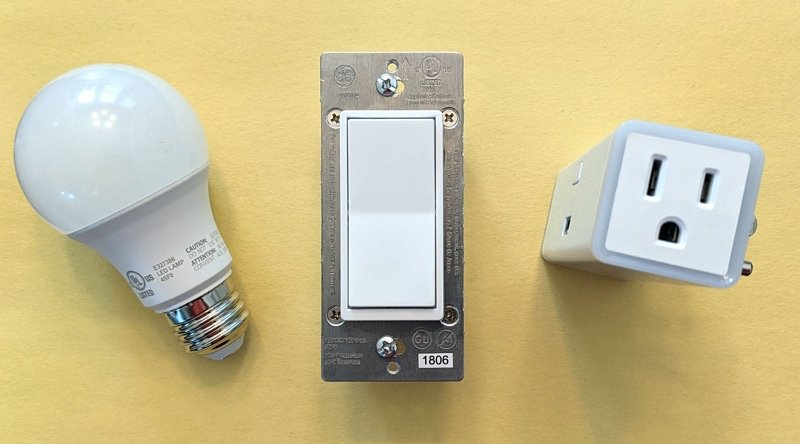
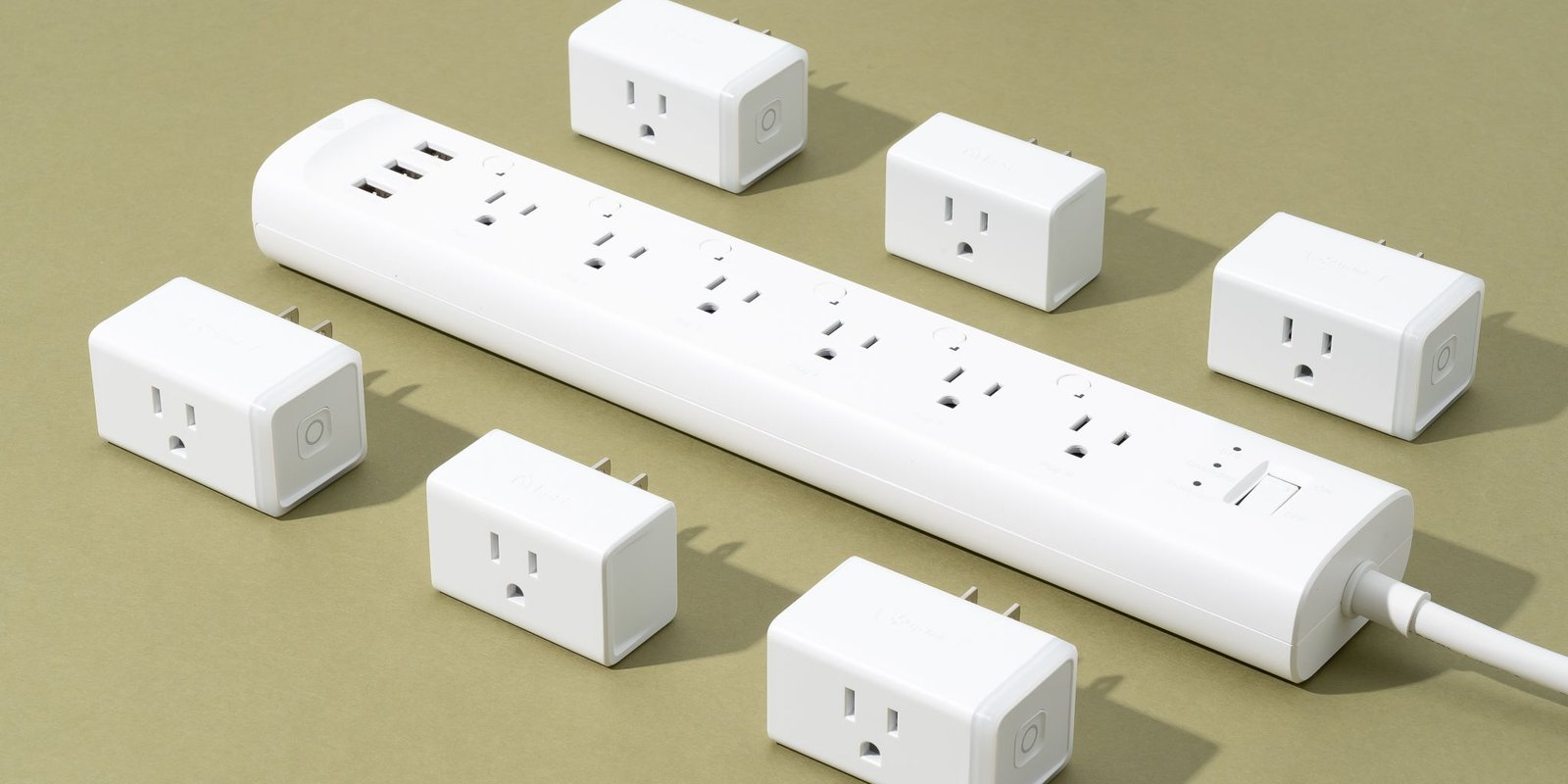
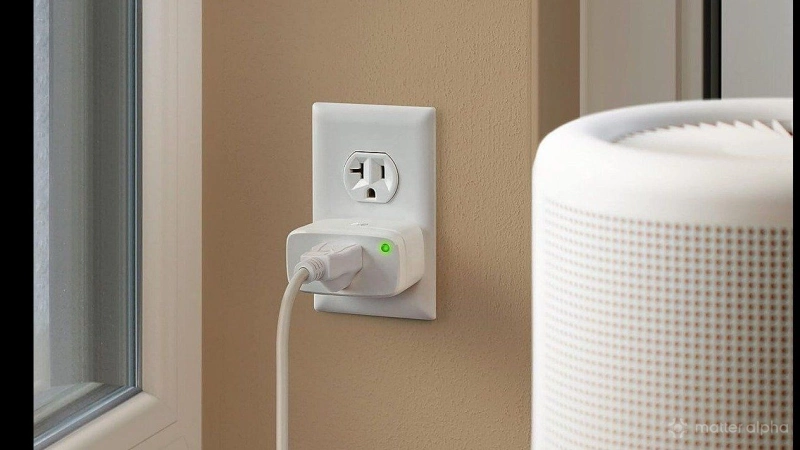
A smart plug is a modern device that plugs into your regular wall outlet. You then plug your appliance into the smart plug. The real power of a smart plug is its smart features.
Key Features Of Smart Plugs
- Remote control: Use your phone or voice assistant to turn appliances on or off
- Scheduling: Set timers to power devices at specific times
- Energy monitoring: Track how much electricity each device uses
- Automation: Connect with other smart devices for routines
- Voice control: Works with Alexa, Google Assistant, or Siri
Smart plugs are part of the growing smart home trend. They make it easier to manage appliances, save electricity, and add comfort to your daily life.
Credit: www.aidot.com
How Do Smart Plugs Work?
Smart plugs use Wi-Fi or sometimes Bluetooth to connect to your home network. You can control them through a mobile app or by using voice commands. Some plugs also support integration with wider smart home systems.
For example, you can set a smart plug to turn on your coffee maker at 7:00 am every day. Or, you can check if you left the iron on after leaving the house and turn it off remotely.
Comparing Smart Plug Vs Regular Plug
To help you understand the real differences, let’s compare smart plugs and regular plugs in several key areas.
| Feature | Smart Plug | Regular Plug |
|---|---|---|
| Remote Control | Yes (via app/voice) | No |
| Scheduling | Yes | No |
| Energy Monitoring | Yes (in most models) | No |
| Installation | Simple (plug and play) | Very simple |
| Cost | Higher | Lower |
| Automation | Yes | No |
| Compatibility | Needs Wi-Fi, app | Works everywhere |
This table shows that smart plugs offer more features, but they also cost more and need a Wi-Fi network.
Credit: www.nytimes.com
Pros And Cons: Smart Plug
Choosing a smart plug brings many advantages, but there are also some downsides.
Advantages Of Smart Plugs
- Remote access: Control devices even when you’re not at home.
- Energy savings: Turn off devices easily; monitor and reduce electricity use.
- Convenience: Set schedules and routines for daily comfort.
- Safety: Check and turn off risky appliances from anywhere.
- Integration: Connect with other smart devices (lights, thermostats, etc. ).
Disadvantages Of Smart Plugs
- Higher price: Costs more than regular plugs (usually $10–$40 per plug).
- Set-up needed: Requires a smartphone, Wi-Fi, and sometimes an app.
- Privacy concerns: Some users worry about data sharing.
- Compatibility issues: Not all devices work with every smart plug.
- Internet dependence: Many features require an active Wi-Fi connection.
Pros And Cons: Regular Plug
Regular plugs are simple, but that can be both a strength and a weakness.
Advantages Of Regular Plugs
- Affordable: Usually under $1 each.
- Easy to use: No apps, no setup, no learning curve.
- Reliable: No software bugs, works during power outages.
- Widely compatible: Fits almost all appliances.
- No privacy worries: No data is collected.
Disadvantages Of Regular Plugs
- No remote control: Must be operated manually.
- No energy monitoring: Cannot track power use.
- No automation: No scheduling or routines.
- Limited safety: Cannot turn off risky appliances remotely.
- No smart home integration: Cannot work with voice assistants or routines.
Energy Efficiency: Which Plug Saves More Power?
One of the biggest reasons people switch to smart plugs is to save energy. But how much can they really help?
A smart plug lets you cut power to devices that use “standby” energy. For example, TVs and game consoles can use up to 10% of your home’s power even when they seem off. By turning them off remotely, you could save $20–$50 per year per device (depending on local rates).
Regular plugs do not offer this control. You would need to unplug devices manually, which most people forget to do.
However, there’s a catch: smart plugs themselves use a small amount of electricity (usually 1–2 watts). Over a year, this can add $1–$3 to your energy bill per plug. For most people, the savings from cutting standby power is much higher than the small extra usage from the plug itself.
Safety And Security
Both plug types are generally safe when used correctly, but there are some differences.
Smart Plug Safety
- Remote shut-off: Great for turning off dangerous devices (like irons or heaters) from anywhere
- Overload protection: Many models have built-in protection to cut power if there’s a problem
- Fire risk: Low, but poor-quality smart plugs can overheat
Regular Plug Safety
- Simple and robust: Fewer parts, less that can go wrong
- No remote features: Cannot turn off devices from afar
- Quality matters: Cheap or damaged plugs can be a fire risk
Non-obvious tip: Some smart plugs send notifications if they detect high power use or overheating, giving you extra peace of mind. Regular plugs do not have this feature.
Installation And Setup
Installing a regular plug is as simple as plugging your device into the wall. There’s nothing else to do.
A smart plug is also easy to install physically, but you’ll need to:
- Download an app
- Connect the plug to your Wi-Fi
- Link the plug to your phone or voice assistant
Most users can complete this in 5–10 minutes, but it may take longer if your Wi-Fi is weak or you have many devices.
Beginner’s mistake: Some people forget to check if their Wi-Fi signal is strong near the plug. Weak Wi-Fi can make smart plugs unreliable.
Smart Home Integration
Smart plugs can become part of a larger smart home system. For example:
- Voice control: “Alexa, turn off the lamp.”
- Automation: Lights turn on when you walk in, or coffee starts brewing at sunrise.
- Scenes: Set up a “movie night” routine that dims lights and powers on the TV.
Regular plugs cannot do any of this. If you are interested in smart home features, smart plugs are a great starting point.
Credit: www.matteralpha.com
Cost Breakdown: Is It Worth Upgrading?
Let’s look at the numbers. Here’s a simple cost comparison.
| Plug Type | Average Cost (per plug) | Potential Yearly Energy Savings | Extra Features |
|---|---|---|---|
| Smart Plug | $15–$30 | $20–$50 | Remote control, scheduling, monitoring |
| Regular Plug | $0.50–$1.50 | None | None |
For heavy users (many devices, lots of “standby” energy), smart plugs can pay for themselves in one year. For others, the value comes from convenience and safety rather than saving money.
Who Should Use A Smart Plug?
Smart plugs are best for people who:
- Want to save energy
- Enjoy controlling devices from their phone or voice assistant
- Need to manage risky appliances remotely
- Are building a smart home system
- Travel often and want to turn lights on/off for security
Smart plugs are especially useful for:
- Elderly or disabled people (less bending, easier access)
- Parents who want to limit kids’ screen time
- Office workers who forget to turn off heaters or fans
Non-obvious insight: Smart plugs are not just for lamps or fans. You can use them with any device under their power limit, like aquariums, dehumidifiers, or even holiday decorations.
Who Should Stick With Regular Plugs?
Regular plugs are perfect for:
- People who want the lowest cost
- Those who don’t care about remote control or automation
- Locations with poor Wi-Fi
- Simple appliances that are always on (like refrigerators)
If you just need to power a device and don’t want extra features, a regular plug is enough.
Real-world Examples
Let’s see how both plugs work in daily life.
Case 1: Saving Energy
Sarah uses a smart plug for her TV and game console. She sets a schedule to cut power at midnight. Over a year, she saves around $40 on electricity.
Case 2: Home Safety
John often forgets to turn off his iron. With a smart plug, he checks from his phone and turns it off if needed, reducing fire risk.
Case 3: Simple Power
Maria uses regular plugs for her kitchen appliances. She has no interest in remote control and finds regular plugs reliable and cheap.
Common Mistakes When Choosing Plugs
- Not checking device compatibility: Some high-power devices (like heaters) might not work with all smart plugs.
- Ignoring Wi-Fi strength: Weak signals cause connection problems.
- Buying the cheapest smart plug: Low-quality models may have poor safety or short lifespans.
- Thinking all smart plugs are the same: Features and compatibility can vary a lot between brands.
Future Trends: What’s Next For Plugs?
The market for smart plugs is growing fast. According to Statista, the smart plug market is expected to reach $6.2 billion by 2027. Newer models may offer:
- Built-in surge protection
- More advanced energy monitoring
- Improved security features
- Smaller designs that fit behind furniture
Regular plugs are unlikely to change much, but smart plugs will keep getting smarter and safer.
For more on smart home technology and how it’s changing daily life, visit Wikipedia’s Smart Device page.
Frequently Asked Questions
What Appliances Can I Use With A Smart Plug?
Most smart plugs work with devices up to 10–15 amps (like lamps, fans, coffee makers). Avoid using them with large appliances (heaters, air conditioners) unless the plug is rated for high power.
Do Smart Plugs Work Without Wi-fi?
Some smart plugs have basic features over Bluetooth, but most functions (remote access, scheduling) need Wi-Fi. If your Wi-Fi is down, the plug usually works manually but loses smart features.
Are Smart Plugs Safe To Use?
Yes, as long as you buy from trusted brands and do not overload them. Look for UL or CE safety marks and check the power rating before use.
Can Smart Plugs Help Reduce My Electricity Bill?
Yes, especially by cutting off power to devices that use standby energy. Real savings depend on how many devices you control and your local electricity rates.
Do Smart Plugs Use Power When Nothing Is Plugged In?
Yes, but very little (about 1–2 watts). This is called “phantom load,” but in most cases, the energy saved by controlling other devices is much higher.
Choosing between a smart plug and a regular plug depends on your needs and preferences. If you value convenience, safety, and energy savings, a smart plug is a great investment. For those who want simplicity and low cost, a regular plug is still a reliable choice.
With new features coming soon, smart plugs are likely to become even more useful in the years ahead.
Related Office Guides
Continue with these related workspace guides: