
Paper shredders are a regular part of offices, schools, and even homes. They help protect privacy by destroying sensitive documents. But many people forget that shredders need oil to work smoothly. If you skip oiling, your machine can get jammed, make loud noises, or break down early. The problem is, shredder oil bottles are sometimes hard to find or cost more than expected. This is why many people look for shredder oil alternatives.
But not every oil is safe for your shredder. Some can damage the blades or leave sticky residue. To help you make a smart choice, this article explains the best alternatives, how to use them, and what mistakes to avoid.
You’ll also see real examples, practical tips, and a few things even experienced users overlook.
Why Do Shredders Need Oil?
Shredders have sharp metal blades that cut paper into small pieces. Over time, these blades rub together and can create friction. Paper dust, glue, and ink also build up, making the machine work harder. Oil helps in three main ways:
- Reduces friction so blades move easily.
- Prevents jams by keeping dust and debris from sticking.
- Extends shredder life by lowering wear and tear.
Regular oiling makes your shredder quieter and faster. Most experts recommend oiling every time you empty the bin, or at least once a month if you use it often.
What Is Shredder Oil?
Shredder oil is a special lubricant made for paper shredders. It’s usually a light mineral oil that doesn’t stain, dry out, or become sticky. Good shredder oils are:
- Non-flammable
- Colorless and odorless
- Safe for plastic and rubber parts
- Does not attract dust
But if you can’t find the official oil, there are alternatives—some better than others.
Credit: www.amazon.com.be
Top Shredder Oil Alternatives
You don’t always need the brand-name bottle. Here are the most common shredder oil alternatives and how they compare.
| Alternative | Safe for Shredders? | Pros | Cons |
|---|---|---|---|
| Vegetable Oil | Yes (with care) | Cheap, easy to find | Can go rancid, may gum up |
| Canola Oil | Yes (best food oil) | Less sticky, good lubrication | Still can spoil over time |
| 3-in-1 Oil | No | Common, lubricates well | Too thick, can damage parts |
| WD-40 | No | Removes gunk, easy spray | Flammable, not for shredders |
| Sewing Machine Oil | Yes (in most cases) | Thin, non-gumming | Check if 100% mineral oil |
| Baby Oil | Yes (with caution) | Mineral oil base, widely sold | May have scents or additives |
| Cooking Spray | No | Easy to apply | Additives can clog blades |
| Motor Oil | No | Lubricates metal | Too thick, leaves stains |
Let’s look at the best options in more detail.
1. Vegetable Oil
Vegetable oil is easy to find in any kitchen. It works as a basic lubricant because it’s thin and spreads well. Some shredders, especially older ones, can handle this type of oil for short periods. However, vegetable oil can turn rancid after some time. This means it may start to smell bad, and the oil can get sticky or thick. If you use vegetable oil, apply a small amount and run the shredder often to keep the oil moving.
2. Canola Oil
Canola oil is a better choice than most other cooking oils. It’s less likely to become sticky and is more stable over time. Some small offices use canola oil as a go-to alternative, especially when shredding only a few sheets at a time. Still, it’s important not to over-apply and clean the shredder regularly.
3. Sewing Machine Oil
Sewing machine oil is very close to shredder oil in how it works. It’s a thin, clear mineral oil with no extra chemicals. This makes it safe for most shredders. However, not all sewing machine oils are the same. Some cheaper brands add fragrances or color, which can cause problems. Always check the label: it should say “100% mineral oil” and not have added ingredients.
4. Baby Oil
Most baby oil is just mineral oil with a scent added. If you buy unscented baby oil, it’s almost the same as shredder oil. But avoid any product with added aloe, vitamin E, or colors. These extra ingredients can make your blades sticky or attract dust.
5. Official Shredder Oil Sheets
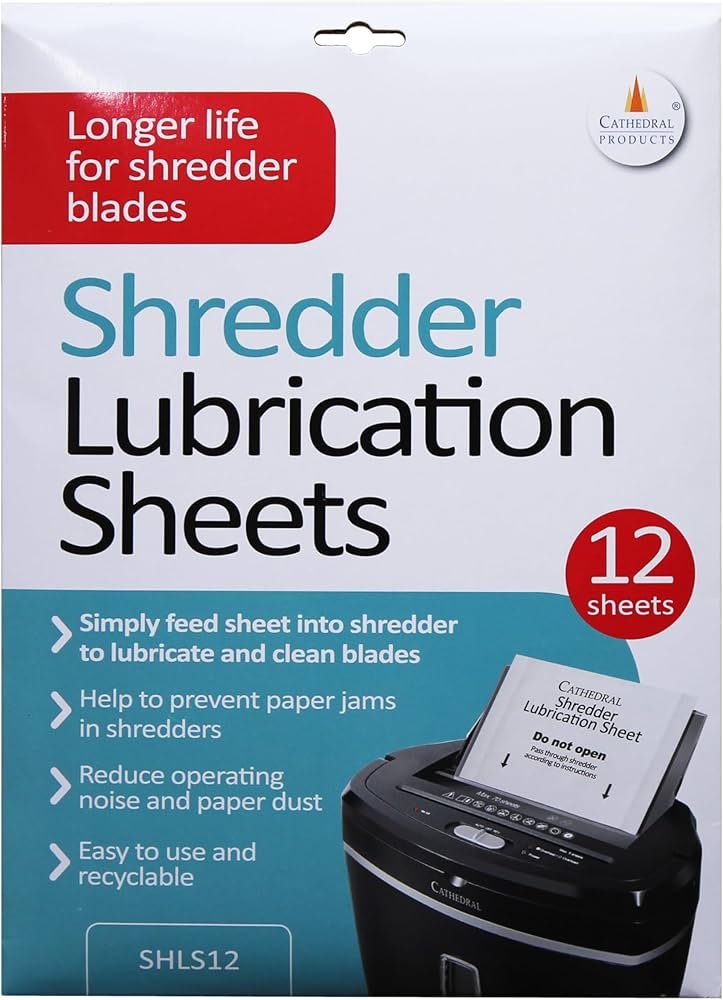
An alternative to liquid oil is shredder lubricant sheets. These are paper sheets with the right amount of oil inside. You shred them just like a piece of paper. This spreads oil across all the blades without any mess. While not a “home remedy,” they are easy to store and use, and are available online.
Unsafe Alternatives: What To Avoid
Many people think any oil will do, but some common lubricants can ruin your shredder.
- WD-40 and 3-in-1 Oil: Both are popular in toolboxes, but they’re too thick and often contain chemicals that attract dust or damage plastic.
- Cooking Sprays: These have additives like lecithin that leave a sticky film.
- Motor Oil or Car Oil: These can stain, gum up, and are not designed for small machinery.
- Petroleum Jelly or Grease: These are much too thick and will cause jams.
Using the wrong oil can void your warranty and cause expensive repairs. Always check your shredder’s manual for guidance.
Credit: www.officedepot.com
How To Apply Shredder Oil And Alternatives
No matter what oil you use, applying it correctly matters. There are two main methods:
Direct Application
- Turn off and unplug the shredder.
- Pour a line of oil (about 2-3 tablespoons) across a sheet of paper.
- Run the oiled paper through the shredder.
- Run two or three blank sheets to absorb extra oil.
Drip Method
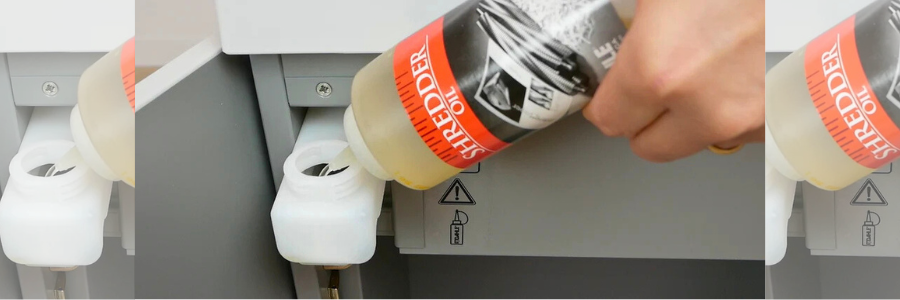
- Drip a small amount of oil directly into the blades (refer to your manual).
- Run the shredder in reverse for 10-20 seconds.
- Shred a few sheets of paper to spread the oil.
Never use too much oil. Over-oiling can cause leaks or messy residue.
Comparing Shredder Oil Alternatives
Here’s a quick side-by-side look at the top alternatives:
| Alternative | Lubrication Quality | Risk of Gumming | Best For |
|---|---|---|---|
| Canola Oil | Good | Low | Light home use |
| Vegetable Oil | Fair | Medium | Short-term backup |
| Sewing Machine Oil | Excellent | Very Low | All shredders |
| Baby Oil (Unscented) | Good | Low | Home/office |
| Lubricant Sheets | Excellent | Very Low | Anyone, easy use |
Important Tips For Using Alternatives
Many first-time users make the same mistakes. Here are some lesser-known tips:
- Use small amounts. Too much oil can attract more dust and create a mess.
- Check for additives. Even a little fragrance or color can cause problems.
- Store oil in a cool, dark place. Cooking oils break down faster in heat.
- Run blank sheets after oiling. This spreads the oil and collects any extra.
- Read your shredder manual. Some high-end models warn against home remedies.
How Often Should You Oil Your Shredder?
The answer depends on how much you shred:
- Heavy use (daily): Oil every time you empty the bin.
- Moderate use (weekly): Oil every 2-4 weeks.
- Light use (monthly): Oil every 1-2 months.
If your shredder starts to sound louder, slow down, or jam, it’s time to oil—even if you just did it recently.
Real-world Example
Sarah runs a small real estate office. Her team shreds contracts every day. She switched from expensive shredder oil to canola oil during a supply shortage. She used about one teaspoon every week, applied to a sheet of paper. Her shredder worked well for months. However, after six months, the blades started to slow down. On inspection, she found sticky buildup. The lesson: even safe alternatives need cleaning and occasional blade checks.
Environmental Impact: Are Alternatives Greener?
Many people choose oil alternatives to reduce waste or avoid harsh chemicals. Here are some facts:
- Vegetable and canola oil are biodegradable, but can attract pests if not cleaned.
- Mineral oils (like baby oil) are made from petroleum, but break down slowly.
- Lubricant sheets create paper waste, but are easy to recycle.
If you want the lowest impact, use small amounts and recycle your oil-soaked sheets.
When To Use Only Official Shredder Oil
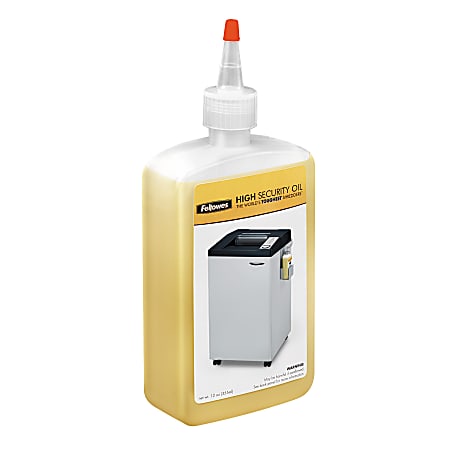
Some shredders are expensive or have delicate sensors and plastic parts. For these, using only official shredder oil is safest. This is especially true for high-security or cross-cut shredders. If your machine is still under warranty, using alternatives can void your coverage. Always check the fine print.
Where To Buy Alternatives
Most alternatives are easy to find:
- Sewing machine oil: Craft or hardware stores
- Baby oil: Pharmacies and supermarkets
- Canola oil: Grocery stores
- Lubricant sheets: Online retailers
For more information on lubricants and machinery care, see this guide from the Wikipedia Lubrication Page.
Credit: www.dahlepapershredders.com
Frequently Asked Questions
What Happens If I Don’t Oil My Shredder?
Without oil, shredders get louder, slower, and jam more often. Blades wear out faster, and the motor works harder, which can cause the machine to break early.
Can I Use Olive Oil As A Shredder Oil Alternative?
Olive oil is not ideal. It can turn sticky and rancid faster than canola or vegetable oil, leading to more buildup on the blades.
How Do I Know If I Used Too Much Oil?
If you see oil dripping from the shredder or paper comes out greasy, you used too much. Run blank sheets to soak up the extra, and wipe any visible oil.
Are Shredder Lubricant Sheets Better Than Liquid Oil?
Lubricant sheets are mess-free and easy to use. They spread oil evenly, making them a good choice for people who don’t want to measure or drip oil. However, liquid oil is cheaper for frequent use.
Will Using Alternatives Void My Shredder’s Warranty?
Sometimes, yes. Many shredder makers require official oil for the warranty to stay valid. Check your manual or contact the manufacturer before using alternatives.
Keeping your shredder in top shape doesn’t have to be expensive or difficult. With the right oil alternative and good habits, you can enjoy smooth, quiet shredding for years.
Related Office Guides
Continue with these related workspace guides: