
A paper shredder is a useful tool in offices, homes, and businesses for destroying sensitive documents. But many users don’t realize that regular maintenance—especially oiling—can make a huge difference in a shredder’s lifespan and performance. If you’re unsure about how often to oil your shredder, or even why it matters, you’re not alone. This article will give you the clear, practical advice you need. You’ll learn how oiling keeps your shredder running smoothly, what can happen if you skip this step, and how to set a schedule that fits your specific shredder and usage. Let’s break down everything you need to know, from basics to expert tips, so you can keep your shredder working like new for years.
Why Oiling Your Shredder Matters
When you feed paper through a shredder, the blades and cutting mechanism work hard. Over time, paper dust, glue, and even tiny bits of ink can build up on these parts. This causes friction, which wears down the blades and makes the motor strain more. Oiling your shredder is like giving it a drink of water after a long run; it cools, cleans, and protects the moving parts. Without oil, a shredder can become noisy, jam more often, or even burn out before its time.
Some people see oiling as optional, but this is a mistake. Most manufacturers include it in the manual for a reason. Regular oiling can:
- Reduce jams
- Extend the shredder’s lifespan
- Maintain shredding speed
- Keep the machine quieter
Skipping oiling is like never changing the oil in your car—it may run for a while, but eventually, you’ll pay for it with repairs or a total breakdown.
How Shredder Oil Works
Shredder oil is not just any oil. It is designed to be non-gumming, which means it won’t leave sticky residues. Most are made from vegetable-based or synthetic formulas, safe for both the metal blades and the plastic parts inside. Using cooking oil or WD-40 can actually damage your shredder, so always choose an oil labeled for shredders.
When you apply shredder oil, it coats the blades and gears. This thin layer:
- Reduces friction between metal parts
- Prevents paper dust from sticking
- Cools the blades during heavy use
- Improves overall efficiency
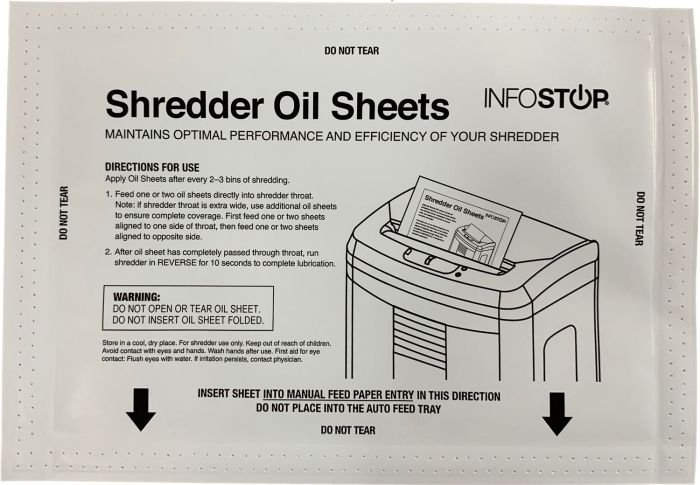
Some brands also offer oiled sheets, which are pre-lubricated papers you can run through your shredder for easy maintenance.
Signs Your Shredder Needs Oiling
Many people wait until their shredder has a problem before thinking about maintenance. But knowing the early warning signs can help you avoid bigger issues:
- Louder operation: If your shredder sounds rough, squeaky, or harsh, the blades may be dry.
- Slower shredding: The motor works harder, and the paper moves more slowly.
- Frequent jams: Paper gets stuck more often, or the machine can’t handle as many sheets as before.
- Overheating: The shredder shuts down or smells hot after short use.
If you notice any of these, it’s time to oil the machine—even if you just did it recently.
How Often To Oil Your Shredder: General Guidelines
The right oiling schedule depends on several factors, including shredder type, usage frequency, and paper volume. There is no one-size-fits-all answer, but most experts and manufacturers recommend:
| Shredder Type | Recommended Oiling Frequency |
|---|---|
| Strip-cut | Every 2-4 hours of use |
| Cross-cut | Every 30 minutes of use |
| Micro-cut | Every 15-20 minutes of use |
| High-volume/Commercial | Daily or after heavy use |
| Light home use | Once a month or after emptying bin 2-3 times |
Usage-based Schedules
A good way to decide when to oil your shredder is to track your usage:
- Heavy use (multiple times per day): Oil every day or every time you empty the bin.
- Moderate use (a few times per week): Oil after every 2-3 bin empties or every 2-4 hours of use.
- Light use (once a week or less): Oil once a month.
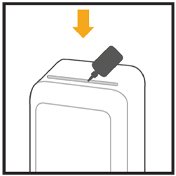
If you often shred items with glue (like envelopes or labels), increase oiling frequency since sticky residues build up faster.
Credit: www.fellowes.com
Manufacturer Recommendations: Why They Matter
Always check your shredder’s manual for the exact oiling frequency. Some brands, like Fellowes or Royal, have specific advice that overrides general rules. Ignoring the manual can void your warranty or even cause damage. For example, some micro-cut models may require oiling after every 15 minutes of use, while others are less demanding.
If you have lost your manual, most brands have digital copies online. Following the manufacturer’s schedule is the safest way to protect your investment.
Different Types Of Shredders: How Oil Needs Vary
Not all shredders are the same. Let’s look at how oiling needs change with shredder type:
Strip-cut Shredders
These are the simplest models, cutting paper into long strips. They create less dust and friction, so they need less oiling. Once every few hours of shredding or after every few bin loads is usually enough.
Cross-cut Shredders
These chop paper into tiny pieces and produce more paper dust. The extra friction means you’ll need to oil them more often—about every 30 minutes of shredding, or after every bin load.
Micro-cut Shredders
Micro-cut models offer the most security, turning paper into confetti. However, the fine cuts create a lot of dust and require the blades to work harder. These machines often need oiling every 15-20 minutes of use.
High-capacity And Industrial Shredders
Office and commercial shredders process large volumes of paper. Their motors and blades work almost non-stop, so daily oiling is a must. Some even have automatic oilers, but you still need to refill the oil reservoir regularly.
Specialty Shredders (cds, Credit Cards)
If your shredder can handle plastics, these materials can create more friction and residue. Oil after every session involving CDs or cards to keep blades in good shape.
Step-by-step: How To Oil Your Shredder
Oiling your shredder is simple, but doing it the right way makes a difference. Here are two common methods:
Direct Application
- Turn off and unplug your shredder for safety.
- Open the shredder head to access the blades (follow your manual if unsure).
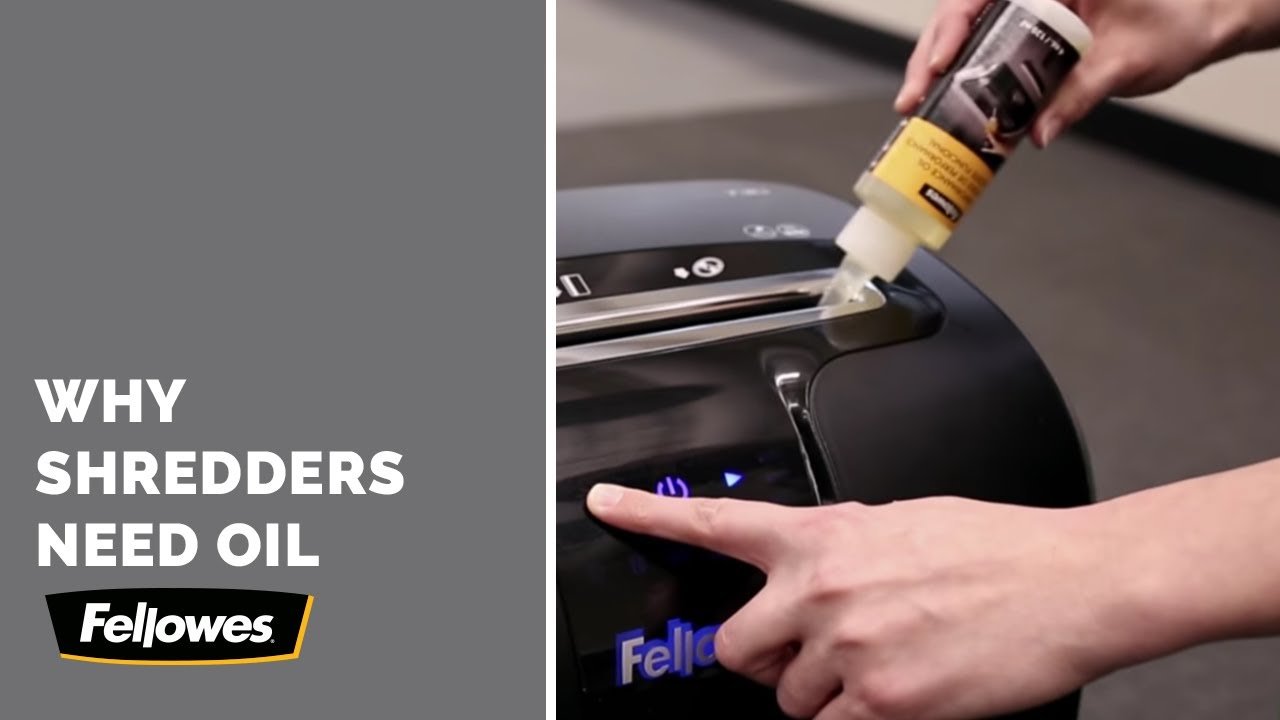
- Drip a thin line of shredder oil across the blades—don’t flood it.
- Plug in and run the shredder in reverse for 10-20 seconds. This spreads the oil evenly.
- Run a few sheets of paper through to absorb extra oil and remove debris.
Using Oiled Sheets
- Buy pre-oiled sheets from an office supply store.
- Place one sheet into the shredder and run it through as you would with regular paper.
- After shredding the sheet, run a few blank papers to clean up any extra oil.
Both methods work well. Oiled sheets are quick and clean, but direct oiling can be more thorough for older or heavily-used machines.
Common Mistakes To Avoid
Many users make simple errors that reduce the benefit of oiling or even harm their shredder:
- Using the wrong oil: Never use WD-40, cooking oil, or motor oil—they attract dust or damage parts.
- Over-oiling: Too much oil can make a mess and even clog the blades.
- Forgetting to run paper through after oiling: This step clears out extra oil and debris.
- Ignoring the manual: Some shredders have unique needs or self-oiling features.
A surprising mistake is thinking your shredder doesn’t need oil if it’s “self-sharpening. ” Even these models benefit from oiling to handle dust and residue.
Benefits Of Regular Shredder Oiling
You might wonder if oiling is worth the effort. The answer is yes, and here’s why:
- Longer lifespan: Blades and motors last longer, saving you money on replacements.
- Fewer jams: Well-oiled blades slice through paper smoothly, reducing downtime.
- Quieter operation: Less friction means less noise—a real bonus in quiet offices.
- Consistent performance: Oiling keeps shredding speed and efficiency high.
- Cleaner machine: Oil lifts away dust and particles that can cause malfunctions.
In a 2022 office equipment survey, companies that followed regular oiling schedules reported 40% fewer shredder repairs and extended the average lifespan of their machines by two years.
What Happens If You Don’t Oil Your Shredder
Neglecting oiling might seem harmless at first, but over time, problems build up:
- Increased jams: Paper gets stuck more easily, causing frustration.
- Dull blades: The machine struggles to cut, leading to uneven shredding or motor stress.
- Overheating: Dry, dirty blades cause the motor to work harder, often overheating or shutting down.
- Expensive repairs: Lack of maintenance leads to worn-out gears and broken parts.
It’s common for users to blame the shredder itself when performance drops, but in most cases, skipping oiling is the real cause.
Tips For Setting The Right Oiling Routine
Sticking to a regular oiling schedule can be easy with a few smart habits:
- Mark your calendar: Set reminders to oil your shredder based on your usage pattern.
- Oil after emptying the bin: This is a natural time to do maintenance.
- Watch for warning signs: Noisy operation or slow shredding means it’s time to oil, even if it’s ahead of schedule.
- Keep oil nearby: Store a bottle of shredder oil next to the machine so you remember.
- Log usage: For heavy-use offices, keep a simple log of hours or bin loads shredded.
Shredder Oil Vs. Oiled Sheets: Which Is Better?
Both options are effective, but each has its strengths:
| Method | Pros | Cons |
|---|---|---|
| Shredder Oil (Liquid) | Thorough application, cost-effective for frequent use, can target specific areas | Messier, needs careful handling, takes more time |
| Oiled Sheets | Easy to use, no mess, convenient for quick maintenance | More expensive per use, less targeted, not as thorough for old machines |
For most users, using both methods together works best: oiled sheets for regular upkeep and liquid oil for deeper cleaning.
Credit: www.youtube.com
Environmental And Safety Considerations
Shredder oil is generally safe, but there are a few things to keep in mind:
- Disposal: Use only the amount needed. Wipe up spills promptly to avoid slips.
- Eco-friendly options: Many oils are plant-based and biodegradable. Avoid petroleum-based oils.
- Allergies: Some scented oils or additives may cause reactions in sensitive users.
Always store oil out of reach of children and pets. If you run a business, train staff on proper oiling and safety protocols.
Expert Insights: What Most Beginners Miss
There are two key things many people overlook about shredder oiling:
- Paper type matters: Shredding lots of glossy, sticky, or coated paper creates more residue. These require more frequent oiling than plain printer paper.
- Automatic oilers still need attention: Some high-end shredders have self-oiling systems, but you must refill the oil reservoir regularly. Don’t assume the machine takes care of everything.
Also, if your shredder starts to smell burnt or runs much slower than before, immediate oiling and cleaning can sometimes prevent a total breakdown.
How To Tell If You’re Over-oiling
Too much oil can be just as bad as too little. You may be over-oiling if:
- Oil drips from the shredder’s bin
- Paper comes out greasy or stained
- The machine feels sticky inside
If this happens, wipe down excess oil and run several sheets of plain paper to absorb leftovers. Adjust your oiling schedule to use less each time.
Data: Shredder Longevity And Oiling Frequency
A study by a major office supply company analyzed 1,000 shredders over five years:
| Oiling Frequency | Average Lifespan (years) | Average Repairs per Year |
|---|---|---|
| Never | 2.1 | 2.4 |
| Occasionally | 3.8 | 1.2 |
| As recommended | 5.5 | 0.5 |
| Over-oiling | 3.6 | 1.6 |
This data shows that following the recommended oiling schedule—not too much, not too little—can nearly double your shredder’s usable life.
Trusted Resources For Shredder Maintenance
If you want expert advice or specific oiling guides, check out the manuals from your shredder’s brand. For general tips and trustworthy information, the Wikipedia page on paper shredders is a solid reference.
Frequently Asked Questions
How Do I Know If My Shredder Needs Oiling?
Look for signs like noisy operation, frequent jams, or slower shredding. If you shred often, oil after every few bin loads or as your manual suggests.
Can I Use Vegetable Oil Or Wd-40 In My Shredder?
No. Only use shredder oil that is safe for your machine. Other oils can gum up the works or damage plastic parts.
Is It Necessary To Oil Shredders That Only Cut Cds Or Credit Cards?
Yes, especially if you shred a lot of plastic. These materials cause more friction and residue, so oil after each session involving non-paper items.
What If My Shredder Has An Automatic Oiler?
You still need to check and refill the oil reservoir regularly. The system only works if it has oil available. Manual checks are important.
Can Over-oiling Damage My Shredder?
Yes. Too much oil can attract dust, make a mess, and even clog the blades. Use just enough to coat the blades—never flood the machine.
Taking care of your shredder is simple, but it makes a big difference. Oiling regularly keeps your machine running well, saves money, and avoids frustration. Once you find the right schedule for your shredder and stick to it, maintenance becomes quick and easy.
Your documents stay secure, and your shredder stays in top shape for years.
Credit: www.shreddersales.com.au
Related Office Guides
Continue with these related workspace guides: