
Phantom Load Electricity: The Hidden Cost In Your Home
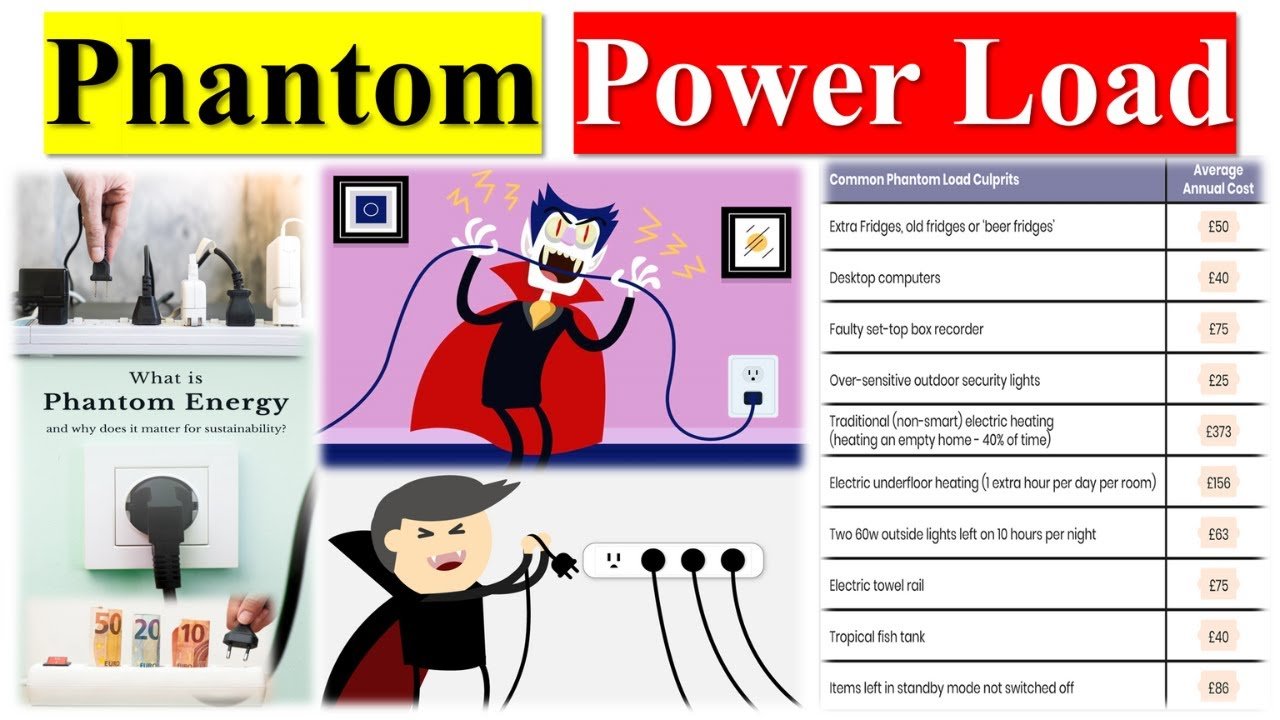
Most people think their electricity bill comes only from the devices they use. Lights, fans, TV, and fridge seem obvious. But there’s a hidden consumer in nearly every home called phantom load electricity. It’s also known as standby power or vampire power. This is the electricity used by devices even when you think they are turned off. Many people are surprised by how much energy—and money—phantom load wastes every year.
Understanding phantom load electricity is important for anyone who wants to save energy, lower bills, and care for the environment. Let’s dive into what phantom load is, why it happens, its impact, and what you can do about it.
What Is Phantom Load Electricity?
Phantom load electricity is the energy that electrical devices use when they are plugged in but not in active use. Even when you switch off your TV with a remote, or your phone charger is not charging, they still draw a small amount of power from the outlet.
This happens because modern electronics often have features like clocks, timers, sensors, or standby lights that need constant power.
For example, if you see a tiny red light on your TV, that means it’s waiting for you to press the remote. That “ready” state uses power. Chargers for phones and laptops also draw energy if left plugged in, even if nothing is connected to them.
Why Does Phantom Load Happen?
There are several reasons why devices consume electricity when not in use:
- Standby Mode: Devices like TVs, DVD players, and game consoles stay ready for quick start-up, so they never completely turn off unless unplugged.
- Continuous Features: Some gadgets have internal clocks, memory, or updates that need constant power.
- Power Supplies: Many chargers and adapters are designed to keep working as long as they’re plugged in, even if they’re not charging anything.
- Remote Control Sensors: Devices with remote controls need power to always detect signals, so they’re never fully off.
Common Devices That Cause Phantom Load
You might be surprised by how many devices create phantom load in your home. Here are some of the most common:
- Television sets: Modern TVs, especially smart TVs, can use 1-5 watts in standby.
- Cable or satellite boxes: These can use 10-25 watts even when “off.”
- Game consoles: PlayStation, Xbox, and others use power in sleep mode.
- DVD/Blu-ray players: Often use 1-3 watts in standby.
- Desktop computers and monitors: Even shut down, they may use 1-5 watts.
- Laptop chargers: Use 1-2 watts if plugged in but not charging.
- Printers: Modern printers can use up to 5 watts in standby.
- Microwave ovens: Clocks and control panels use power even when not heating.
- Coffee makers: Models with clocks or timers draw standby power.
- Audio systems: Home theater receivers, sound bars, and speakers with remote sensors.
- Wi-Fi routers and modems: Always on to keep the internet working.
- Phone chargers: Small but always consuming when plugged in.
- Cordless phones: Base units draw constant power.
- Smart home devices: Smart plugs, cameras, and assistants are always “listening.”
- Alarm clocks and night lights: Always plugged in and using energy.
How Much Does Phantom Load Cost?
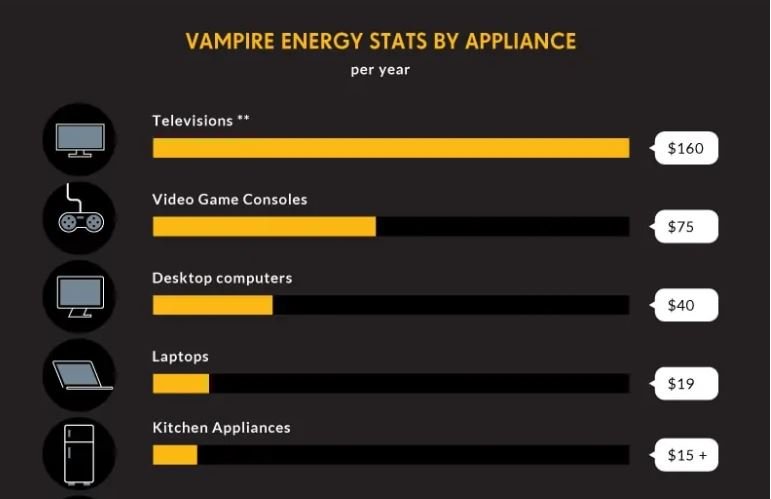
Phantom load may seem small per device, but it adds up. The U.S. Department of Energy estimates that phantom load accounts for 5-10% of total household electricity use. In some homes, this means $100 to $200 wasted each year.
Here’s a quick comparison to show how much power common devices use even when “off”:
| Device | Standby Power (Watts) | Yearly Cost (USD) |
|---|---|---|
| TV (LCD/LED) | 2 | $2.40 |
| Cable Box | 15 | $18.00 |
| Game Console | 5 | $6.00 |
| Printer | 3 | $3.60 |
| Wi-Fi Router | 6 | $7.20 |
*Based on average U. S. electricity rate of $0. 14 per kWh and 24/7 standby usage. *
You can see that a few devices can easily add up to $50 or more a year.
Credit: www.citizensutilityboard.org
Why Phantom Load Matters
Many people ignore phantom load because it seems too small to worry about. But there are important reasons to pay attention:
- Wasted money: Even $50 a year adds up over time.
- Environmental impact: Wasted electricity means more fossil fuels burned, leading to more carbon emissions.
- Grid demand: If millions of homes waste power, it increases the overall demand on the electrical grid, especially during peak hours.
- Hidden usage: It’s easy to underestimate your real energy use because phantom load is not obvious.
How To Identify Phantom Load In Your Home
Knowing about phantom load is good, but how do you find it in your house? Here are some practical ways:
- Look for standby lights: Red or green lights on TVs, chargers, and game consoles are a giveaway.
- Feel for warmth: If a charger or adapter is warm to the touch when not in use, it’s drawing power.
- Use a wattmeter: Devices like the Kill-A-Watt can measure actual power use of any plug-in device.
- Check your electricity bill: If your usage seems high for your lifestyle, phantom load could be a reason.
- Smart plugs and monitors: Some smart plugs can track energy use of connected devices.
Credit: www.youtube.com
Ways To Reduce Or Eliminate Phantom Load
You don’t have to let phantom load drain your wallet. Here are effective ways to cut it down:
- Unplug devices: The simplest way is to unplug electronics when not in use, especially chargers and entertainment devices.
- Use power strips: Plug multiple devices (TV, speakers, DVD player) into one strip. Switch off the strip when you’re done.
- Smart power strips: These can automatically cut power to devices when not in use, or when a “master” device is off.
- Upgrade to Energy Star devices: Look for the Energy Star label, which means the device uses less standby power.
- Change habits: Make it routine to unplug chargers and turn off strips before bed or when leaving home.
- Use timers or smart outlets: Set them to cut power at night or during work hours.
- Ask your family or roommates: Teach everyone in the house about phantom load and share the responsibility.
- Choose electronics with low standby consumption: Some manufacturers now provide this data—choose wisely.
- Limit always-on devices: Only keep Wi-Fi routers, modems, and essential items powered 24/7.
Here is a table showing which solution works best for different types of devices:
| Device Type | Best Solution | Effort Level |
|---|---|---|
| Entertainment systems | Power strip | Low |
| Chargers | Unplug when not in use | Low |
| Kitchen appliances | Smart outlet or timer | Medium |
| Computer peripherals | Power strip or smart plug | Low |
| Always-on devices | Choose energy-efficient models | Medium |
Non-obvious Insights About Phantom Load
Many homeowners miss some key points about phantom load:
- Not all standby power is avoidable: Devices like refrigerators, internet routers, or medical equipment need to stay on. Focus on entertainment and office electronics instead.
- Some devices use more power in “off” mode than during use: For example, older cable boxes or DVRs can use nearly as much power when “off” because they keep updating or recording.
- Chargers with no device attached still use energy: Unplugging phone or laptop chargers when not charging saves more than most people realize.
These details can make a big difference in your energy-saving plan.
Credit: marquettewire.org
Phantom Load And Smart Homes
As homes get smarter, the number of always-on devices grows. Smart speakers, security cameras, connected thermostats, and automated lights all add to your standby power. While they bring convenience, they also make it more important to manage phantom load.
If you use smart home devices, group them on dedicated circuits or smart strips. Turn off non-essential gadgets when traveling or during long periods of no use. Be aware that every “always listening” device is always drawing a little electricity.
Environmental Impact Of Phantom Load
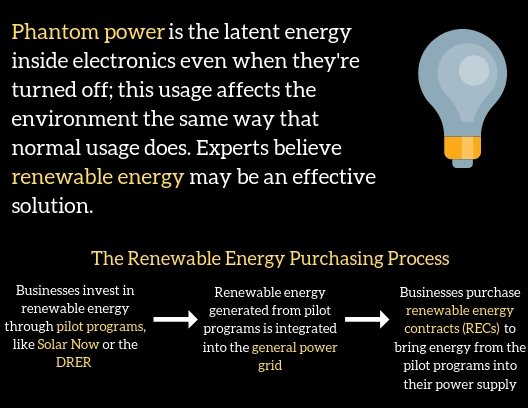
Reducing phantom load isn’t just about saving money—it also helps the environment. According to the International Energy Agency, standby power worldwide causes up to 1% of total CO2 emissions. That might sound small, but it’s equal to millions of cars on the road.
If every household took simple steps to reduce phantom load, the combined effect would be huge. It’s an easy way to cut your carbon footprint without big changes to your lifestyle.
Real-world Example: How One Family Cut Their Phantom Load
Let’s look at a practical example. The Smith family noticed their electricity bill was always higher than expected. They decided to do a phantom load check. They found:
- 3 TVs left in standby
- 2 game consoles never unplugged
- 5 phone/laptop chargers always plugged in
- Kitchen appliances with clocks always on
They bought two power strips, started unplugging chargers, and put the microwave and coffee maker on a timer. In three months, their bill went down by 12%. Over a year, that was a savings of about $150—just by cutting phantom load.
Steps To Start Saving Today
You don’t need to be an expert to tackle phantom load. Here’s a simple action plan:
- Walk around your home and list all devices that are plugged in but not always used.
- Buy a wattmeter or use a smart plug to measure which devices use power in standby.
- Group electronics with similar usage (like TV, sound bar, and game console) on a power strip.
- Make it a habit to switch off or unplug devices after use.
- Upgrade old electronics with high standby use when possible.
Set a reminder to check for phantom load every few months—especially after buying new gadgets.
Frequently Asked Questions
What Is The Difference Between Phantom Load And Regular Electricity Use?
Phantom load is the electricity used when devices are “off” but still plugged in, often for standby features or sensors. Regular use is the energy consumed when the device is actively working, like watching TV or using a microwave.
How Can I Measure Phantom Load In My Home?
You can use a device called a wattmeter (like Kill-A-Watt) to see how much power each device uses in standby. Plug the device into the wattmeter, then into the wall. It will show the power draw even when the device is “off.”
Are Smart Home Devices Always A Source Of Phantom Load?
Most smart home devices use standby power because they need to stay connected and ready for commands. However, newer models are designed to use less energy. Still, the more smart devices you have, the higher your total phantom load.
Is It Safe To Unplug Devices To Save Energy?
Yes, it’s safe to unplug most electronics. Be careful with devices that need a constant power supply (like some internet routers, medical equipment, or security systems). For regular electronics and chargers, unplugging is a safe and effective way to save energy.
Where Can I Learn More About Reducing Energy Waste In My Home?
You can find more tips and detailed guides on energy-saving at the U.S. Department of Energy website.
Phantom load electricity is a hidden cost, but with awareness and a few simple changes, you can cut waste, save money, and help the planet. Start today—your wallet and the environment will thank you.