
Keeping your office clean is more than just wiping desks and emptying bins. One spot that is often missed? The blinds. Whether you have vertical, horizontal, fabric, or plastic blinds, dust and grime can build up quickly. Dirty blinds not only look bad but can also affect the air quality in your workspace.
Many people think cleaning blinds is hard or time-consuming, but with the right approach, you can get the job done efficiently and keep your office looking sharp.
This guide will walk you through everything you need to know about how to clean office blinds. We’ll cover the best methods for different materials, what tools you’ll need, common mistakes to avoid, and some helpful tricks professionals use. By the end, you’ll see why clean blinds make a difference and how you can keep yours spotless with less effort than you expect.
Why Clean Office Blinds Matter
Blinds collect dust, pollen, and bacteria over time. In an office, this buildup is even faster due to higher foot traffic and HVAC systems blowing air around. Here’s why regular cleaning is important:
- Health: Dusty blinds can trigger allergies and asthma. In a shared space, this affects more people.
- Appearance: Clean blinds make an office feel brighter and more welcoming.
- Durability: Dirt and grime can cause blinds to wear out faster, leading to more frequent replacements.
- Professional image: Clients and visitors notice details. Clean blinds show you care about your workspace.
A survey by the International Sanitary Supply Association found that 94% of people are more likely to have a negative impression of a business if its windows or blinds are dirty.
Understanding Different Types Of Office Blinds
Before you start cleaning, it’s important to know what kind of blinds you have. Each type needs a slightly different approach.
| Blind Type | Material | Common in Offices? | Main Cleaning Concern |
|---|---|---|---|
| Venetian | Aluminum, Wood, PVC | Yes | Dust in slats |
| Vertical | Fabric, PVC | Yes | Stains, dust at bottom |
| Roller | Fabric, Vinyl | Common | Stains, dust |
| Roman | Fabric | Less common | Dust, wrinkles |
| Panel | Fabric, Wood | Yes | Dust, large surface |
Venetian blinds are the most common in offices, but many spaces use vertical or roller blinds, especially in meeting rooms and executive offices.

Credit: www.louvolite.com
Essential Tools And Supplies
You don’t need expensive products or special gadgets. Most supplies are easy to find and reusable.
- Microfiber cloths: These trap dust without spreading it.
- Vacuum cleaner with brush attachment: For quick dust removal, especially on fabric blinds.
- Feather duster or blind duster: For light, regular cleaning.
- Bucket and mild detergent: Use for deep cleaning.
- Spray bottle: Useful for mixing water and cleaner.
- Sponge or soft brush: Helps with stubborn grime.
- Rubber gloves: Protect your hands from chemicals.
- Old towel or drop cloth: Place under the blinds to catch drips.
- Compressed air (optional): Good for tight spaces in mechanisms.
A simple comparison of cleaning tools can help you choose the right one:
| Tool | Best For | Pros | Cons |
|---|---|---|---|
| Microfiber Cloth | All blinds | Reusable, effective, gentle | Requires manual wiping |
| Vacuum Cleaner | Fabric, vertical, panel | Fast, reaches corners | Can miss sticky dirt |
| Feather Duster | Light dusting | Quick, easy | May spread dust |
| Cleaning Spray | Stains, deep clean | Breaks up grime | May need rinsing |
Pro tip: Use a damp (not wet) microfiber cloth to avoid leaving streaks or water spots.
Step-by-step: How To Clean Different Types Of Office Blinds
Cleaning Venetian Blinds
Venetian blinds have horizontal slats that are great at collecting dust. Here’s the best way to clean them:
- Close the blinds: Tilt the slats down but don’t shut them completely. This exposes the most surface area.
- Dust: Use a microfiber cloth, blind duster, or vacuum with a brush attachment. Start at the top and work your way down.
- Flip and repeat: Open the slats the other way and repeat the dusting on the other side.
- Spot clean: For sticky spots, mix a few drops of mild detergent in a bowl of warm water. Dip a cloth, wring it out, and wipe the dirty area.
- Deep clean: For a thorough job, remove the blinds and soak them in a bathtub with warm water and detergent for 20 minutes. Rinse and dry thoroughly.
- Dry: Wipe slats dry with a clean cloth to prevent water spots.
Common mistake: Using too much water, especially on wooden blinds. This can cause warping or damage.
Cleaning Vertical Blinds
Vertical blinds are often found in conference rooms and large windows.
- Dust: Close the blinds, then use a vacuum with a brush attachment or a duster. Work from top to bottom.
- Spot clean stains: For fabric slats, use a damp cloth with a little soap. For vinyl or PVC, a gentle cleaner works well.
- Remove and wash (fabric only): If the blinds are very dirty, unclip the slats and soak them in warm soapy water for 15–30 minutes. Rinse and hang to dry.
- Check mechanisms: Dust can collect in the tracks. Use a small brush or compressed air to clear debris.
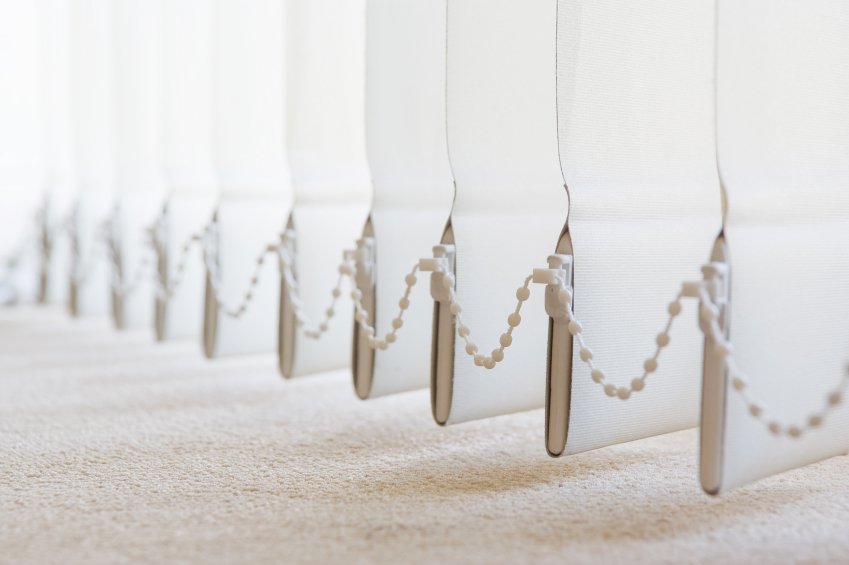
Pro insight: Many people forget to clean the bottom weights or chains, which can collect dust and dirt.
Cleaning Roller Blinds
Roller blinds are usually made from fabric or vinyl and are easy to operate.
- Lower the blind: Extend it fully so all the material is exposed.
- Dust: Use a duster or vacuum to remove loose particles.
- Wipe: For vinyl, use a damp sponge with mild detergent. For fabric, use a damp cloth and blot stains gently.
- Deep clean (if needed): Remove the blind from its bracket and lay it flat on a towel. Use a sponge and soapy water, rinse carefully, and air dry before rehanging.
Non-obvious tip: Always let roller blinds dry completely before rolling them up to prevent mold.
Cleaning Roman Blinds
Roman blinds are less common in offices, but some executive rooms may use them for a more stylish look.
- Vacuum: Use the upholstery attachment to remove dust from the folds.
- Spot clean: For stains, use a damp cloth and a mild cleaner. Test on a small area first.
- Deep clean: For heavy dirt, check if the fabric is machine washable (look for care labels). If yes, remove the fabric and wash on a gentle cycle.
- Avoid wrinkles: Hang to dry to prevent creases.
Pro tip: Roman blinds can collect dust in the folds, so pay extra attention to these areas.
Cleaning Panel Blinds
Panel blinds cover large windows and sliding doors.
- Dust: Use a microfiber cloth or vacuum with a brush attachment.
- Wipe: Use a damp cloth for stains.
- Deep clean: Remove panels if possible and clean flat on a surface.
- Dry: Make sure panels are dry before rehanging to avoid moisture issues.
Non-obvious insight: Check the tracks for dust, as buildup can make sliding panels stick.
Frequency: How Often Should You Clean Office Blinds?
- Light dusting: Once a week
- Spot cleaning: As needed for visible stains
- Deep cleaning: Every 3–6 months
If your office is near a busy road or construction site, you may need to clean more often due to higher dust levels. Allergy season is another good time for extra attention.
Best Cleaning Solutions For Office Blinds
Most office blinds respond well to basic cleaning solutions. Here are some safe and effective options:
- Mild dish soap and water: Good for most materials except wood.
- White vinegar and water (1: 1 ratio): Cuts through grease and kills bacteria. Avoid on wood.
- Commercial blind cleaner: Some brands make special sprays for blinds, but these are rarely necessary unless you have stubborn stains.
- Wood cleaner: For wooden blinds, use a wood-safe spray or just a dry cloth.
Pro insight: Avoid harsh chemicals like bleach or ammonia, which can damage the finish or color of your blinds.
Special Considerations For Office Settings
Cleaning office blinds is a bit different from home cleaning. Here’s what to keep in mind:
- Time management: Clean blinds when the office is empty or during off-hours to avoid disrupting work.
- Sensitive materials: Always check the manufacturer’s instructions, especially for custom or expensive blinds.
- Shared responsibility: In large offices, assign cleaning tasks or schedule professional cleaning.
- Allergy concerns: Use hypoallergenic cleaners if employees are sensitive to strong smells or chemicals.
- Privacy: Avoid leaving windows uncovered for long periods, especially in ground-floor offices.
Mistakes To Avoid When Cleaning Blinds
- Soaking wooden blinds: This can lead to swelling, warping, or mold.
- Using abrasive tools: Steel wool or rough sponges will scratch surfaces.
- Skipping the tracks: Dust here can cause blinds to jam.
- Ignoring hardware: Cords, chains, and wands also need cleaning.
- Rehanging damp blinds: This can cause mildew and musty odors.
- Mixing cleaning chemicals: Some combinations can release harmful fumes.
- Overlooking safety: Use a sturdy step stool for high blinds. Never stand on an unstable chair.
Non-obvious mistake: Many people forget to clean the window ledge below the blinds, which can spread dust back onto freshly cleaned surfaces.
Tips For Keeping Blinds Cleaner For Longer
- Use air purifiers: These help reduce dust buildup.
- Close windows during high pollen or dust days: Keeps outside particles from settling.
- Regular HVAC maintenance: Clean filters mean less airborne dust.
- Install dust guards: Available for some blind types, these reduce buildup.
- Rotate cleaning duties: In shared offices, a rotating schedule ensures no one forgets.
When Should You Call A Professional?
Some situations call for a professional cleaning service:
- Large offices with many blinds: Professionals work faster and can handle volume.
- Blinds with stubborn stains or mold: Experts have stronger cleaning agents and equipment.
- Custom or delicate materials: Protect your investment by letting trained cleaners handle them.
- Allergy-sensitive environments: Professionals can use hypoallergenic products and minimize dust spread.
According to the Building Owners and Managers Association, professional blind cleaning costs between $10–$20 per blind, depending on size and material. This can be a good investment if your office has many blinds or strict cleanliness standards.
Eco-friendly And Health-safe Cleaning Options
If you want to minimize chemical use and protect employee health, there are several eco-friendly cleaning methods:
- Microfiber cloths: Clean with just water and no chemicals.
- Vinegar solution: Natural, safe for most materials, and effective against bacteria.
- Essential oils: Adding a few drops of tea tree or lavender oil to water can freshen and disinfect.
- HEPA filter vacuums: Trap dust and allergens effectively.
Pro tip: Always test any new cleaner on a small, hidden area before using it widely.
Comparing Diy And Professional Cleaning
Wondering if you should clean the blinds yourself or hire someone? Here’s a clear comparison:
| Aspect | DIY Cleaning | Professional Cleaning |
|---|---|---|
| Cost | Low (just supplies) | Higher ($10–$20/blind) |
| Time | 1–2 hours/room | Faster for large offices |
| Quality | Good with care | Consistent, deep clean |
| Convenience | Needs planning | No disruption to staff |
| Allergy Control | Depends on products | Can use special equipment |
If you have a small office and some time, DIY works well. For large offices or hard-to-clean blinds, professionals may be the better option.
Credit: www.allegroblinds.co.uk
Real-world Example: A Medium Office’s Experience
Consider a mid-sized marketing agency with 30 staff and 20 large windows fitted with venetian blinds. Over six months, they noticed increased sneezing and complaints about stuffy air. After a deep clean of all blinds and regular weekly dusting, sick days dropped by 15%, and client feedback on the appearance of the office improved.
This shows that clean blinds don’t just look better—they can actually improve employee health and business reputation.
The Impact Of Clean Blinds On Office Productivity
Many office managers underestimate the effect of the environment on staff performance. Research by the World Green Building Council found that clean, bright workspaces can boost productivity by up to 11%. Clean blinds let more light into the room and help employees feel comfortable and focused.
Another insight: Employees in offices with visible dust or dirt are more likely to rate their job satisfaction lower. Small details like spotless blinds can make a surprising difference.

Credit: cleanmethod.com
Frequently Asked Questions
How Often Should Office Blinds Be Cleaned?
Office blinds should be dusted weekly and deep cleaned every 3–6 months. If your office is in a dusty area or near construction, consider cleaning more often to maintain air quality.
Can I Use Bleach Or Strong Chemicals To Clean Blinds?
It’s best to avoid harsh chemicals like bleach or ammonia. These can damage the blinds’ finish and may release fumes that irritate employees. Use mild soap and water, or a vinegar-water mix for most blinds.
What’s The Safest Way To Clean Wooden Blinds?
For wooden blinds, use a dry or slightly damp microfiber cloth. Avoid soaking, and never use abrasive cleaners. A gentle wood polish can keep them looking their best.
Is It Necessary To Remove Blinds For Deep Cleaning?
Not always. Most dust and light stains can be cleaned while blinds are hanging. For very dirty or stained blinds, especially fabric ones, removing them for soaking can be more effective.
Where Can I Find More Information About Professional Cleaning Standards?
You can learn more about office cleaning standards and best practices from the Centers for Disease Control and Prevention (CDC), which offers resources for maintaining healthy workplaces.
When you keep your office blinds clean, you’re investing in your team’s comfort and your company’s image. With the tips and strategies above, you can make this task simple and effective—no matter what type of blinds your office uses. Clean blinds are a small detail, but one that sends a strong message about professionalism and care.