
Ink stains on a desk can quickly turn a professional workspace into a messy, frustrating area. Whether you’re dealing with a fresh pen leak or a dried marker spot, removing ink from a desk isn’t always simple. Many people try to wipe the mark away with water or a paper towel, only to find the stain spreads or sets deeper into the surface.
The truth is, the right cleaning approach depends on the desk’s material and the type of ink. With the proper tools and techniques, you can restore your desk’s clean look without causing damage or discoloration.
If you’ve just noticed an ink stain, don’t panic. Acting quickly and using proven methods makes a big difference. This guide will walk you through everything you need to know about cleaning ink off different types of desks, from wood and laminate to glass and metal.
You’ll learn which household items work best, how to avoid common mistakes, and what to do if the stain just won’t budge. Let’s get your desk looking spotless again—without guesswork or wasted effort.
Understanding Desk Surfaces And Ink Types
Before you begin cleaning, it’s helpful to know what you’re working with. Desks come in many materials, and not all react the same way to ink or cleaning products.
Common Desk Materials
- Wood: Natural wood is porous and can absorb ink quickly, leading to deep stains if not treated right away.
- Laminate: This surface is less absorbent but can still stain, especially with permanent ink.
- Glass: Non-porous and usually easy to clean, but can show streaks if not wiped properly.
- Metal: Usually coated, but certain inks can still leave marks or dull the finish.
- Plastic: Depends on the texture; some plastics may stain and be difficult to scrub without scratching.
Types Of Ink
- Water-based ink: Found in washable markers and some pens; usually easier to remove.
- Permanent ink: Used in markers like Sharpies; tougher to clean, may require solvents.
- Gel ink: Thick, often colorful; can be stubborn on porous surfaces.
- Ballpoint ink: Oil-based and common in everyday pens; can soak into wood or plastic.
Knowing your desk material and ink type will help you choose the best cleaning method and avoid further damage.
Essential Supplies For Cleaning Ink
You don’t always need special cleaners to remove ink stains. Many effective solutions are already in your home. Here are the most useful supplies:
- Isopropyl alcohol (rubbing alcohol): Breaks down most ink types, especially permanent ink.
- White vinegar: Gentle and safe for most surfaces; good for light stains.
- Baking soda: Works as a mild abrasive for stubborn stains.
- Dish soap: Helps lift fresh ink and is safe for all desk types.
- Cotton balls or pads: For applying cleaners without scratching.
- Clean microfiber cloths: Prevent streaking and further marks.
- Magic eraser: Useful for laminate and plastic, but test first.
- Hydrogen peroxide: Can lift ink from light-colored wood.
- Non-gel toothpaste: Contains mild abrasives; effective on some surfaces.
- Spray bottle: For even application of cleaning solutions.
- Gloves: Protect your hands from harsh chemicals.
Most stains can be handled with a combination of these items. In rare cases, a commercial ink remover may help, but always test on a small area first.
Step-by-step: How To Clean Ink Off Different Desk Surfaces
Let’s break down the cleaning process by desk material. Each surface reacts differently, so the right method will save you time and prevent damage.
Cleaning Ink From Wood Desks
- Blot, don’t rub. If the ink is fresh, use a dry cloth to blot up as much as possible. Don’t rub—the ink will spread.
- Apply dish soap. Mix a few drops with warm water. Dampen a cloth and gently dab the stain.
- Try rubbing alcohol. For stubborn stains, lightly dampen a cotton ball with isopropyl alcohol and dab the spot. Don’t soak the wood.
- Use baking soda paste. Mix baking soda with a little water to form a paste. Apply gently and rub with a soft cloth.
- Finish with wood polish. After the stain is gone, use furniture polish to restore shine.
Pro tip: Deep stains in unfinished wood may need light sanding or professional help. Avoid bleach, which can discolor wood.
Removing Ink From Laminate Desks
- Wipe with soapy water. Most ink comes off with dish soap and water on a soft cloth.
- Try a magic eraser. Dampen and gently rub the ink mark. Don’t press too hard—laminate can scratch.
- Use alcohol or vinegar. For tough stains, apply a small amount of isopropyl alcohol or white vinegar on a cloth and blot.
- Rinse and dry. Wipe with a clean, damp cloth to remove residue.
Laminate is more resistant to stains, but don’t use harsh chemicals or abrasives.
Getting Ink Off Glass Desks
- Spray with glass cleaner. Most fresh ink will wipe away easily.
- Use rubbing alcohol. For dried or permanent ink, soak a cotton ball and rub gently.
- Buff with a microfiber cloth. This prevents streaks and leaves the glass shiny.
Avoid razor blades, which can scratch some glass finishes.
Removing Ink From Metal Desks
- Wipe with soapy water. Use a soft cloth and mild dish soap.
- Try alcohol. For stubborn ink, dab with isopropyl alcohol.
- Buff with a dry cloth. Polish to restore shine.
If the desk is painted, test cleaners in a hidden spot first.
Cleaning Ink From Plastic Desks
- Start with dish soap. Scrub gently with a soft cloth.
- Try a magic eraser. Dampen and rub, but avoid pressing too hard.
- Apply alcohol. For permanent ink, use a cotton swab dipped in alcohol.
Plastic can scratch easily, so always test on a small area first.
Quick Reference: Cleaning Methods By Desk Type
The table below shows which cleaning methods are safe for each desk surface:
| Desk Material | Soapy Water | Rubbing Alcohol | Magic Eraser | Baking Soda | Vinegar |
|---|---|---|---|---|---|
| Wood | ✔️ | ✔️ (lightly) | ❌ | ✔️ | ✔️ (diluted) |
| Laminate | ✔️ | ✔️ | ✔️ | ❌ | ✔️ |
| Glass | ✔️ | ✔️ | ❌ | ❌ | ✔️ |
| Metal | ✔️ | ✔️ | ❌ | ❌ | ✔️ |
| Plastic | ✔️ | ✔️ | ✔️ | ❌ | ✔️ |
Removing Different Types Of Ink Stains
Not all ink is created equal. Here’s how to handle common ink types:
Water-based Ink
These are the easiest to clean. Use soapy water and a soft cloth. For any remaining stain, try diluted vinegar.
Permanent Ink
Harder to remove. Isopropyl alcohol works best—dab, let it sit for 1-2 minutes, then wipe. For deep stains, a commercial ink remover may help.
Gel Ink
Start with soapy water. If needed, use a paste of baking soda and water (only on durable surfaces).
Ballpoint Ink
Use a cotton swab with rubbing alcohol. Avoid soaking the area, as ballpoint ink can spread.
What To Do If The Stain Persists
Sometimes, even after your best effort, the ink won’t fully disappear. Here’s what you can try next:
- Repeat the process. Sometimes, multiple gentle applications work better than one harsh cleaning.
- Try hydrogen peroxide. For light-colored wood or laminate, apply with a cotton swab. Let it sit, then wipe.
- Use commercial ink removers. Look for products designed for your desk’s surface.
- Consult the manufacturer. Some desks have special coatings that need specific cleaners.
- Consider professional help. For valuable or antique desks, a furniture restorer can remove stains safely.
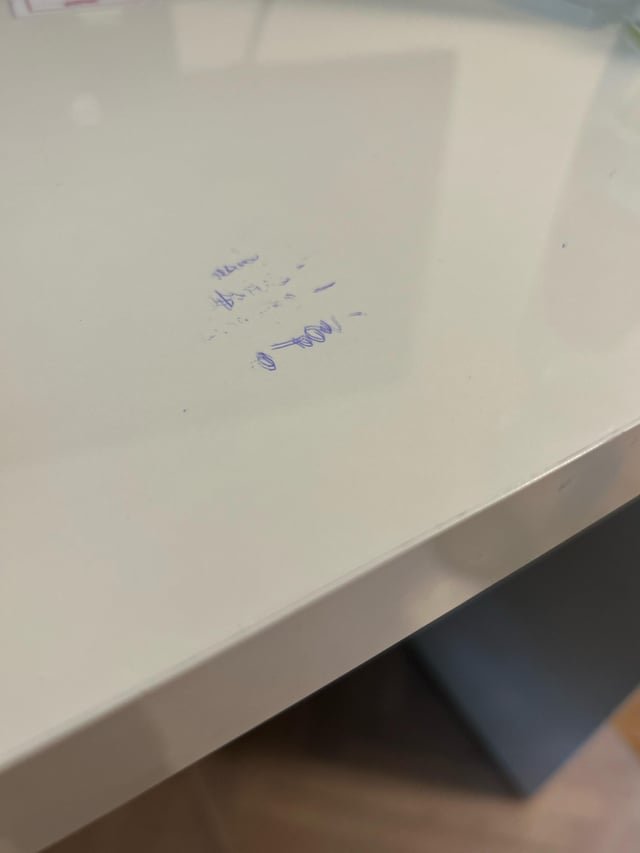
Credit: www.reddit.com
Tips To Prevent Ink Stains On Desks
Keeping your desk clean is easier than removing stains. Here are simple ways to avoid ink marks:
- Use desk pads or blotters, especially if you write with pens that leak.
- Store markers and pens upright with the cap on tightly.
- Choose washable pens for everyday writing.
- Clean up spills immediately—fresh ink is always easier to remove.
- Avoid writing directly on the desk surface; use a notebook or writing pad.
Common Mistakes To Avoid
Many people accidentally make the ink problem worse. Watch out for these mistakes:
- Scrubbing too hard. This can damage wood, plastic, or laminate.
- Using bleach or harsh chemicals. These can discolor or ruin desk surfaces.
- Mixing cleaning products. Never mix ammonia and bleach—it’s dangerous.
- Ignoring manufacturer instructions. Always check your desk’s care guide.
- Skipping a test spot. Try any cleaner on a small, hidden area first.
Comparing Household Cleaners For Ink Removal
Some cleaners work better than others. Here’s a quick comparison:
| Cleaner | Effectiveness | Safe For | Risks |
|---|---|---|---|
| Isopropyl Alcohol | High | Most surfaces | May dry out wood |
| Vinegar | Medium | All, if diluted | Strong smell |
| Baking Soda | Medium | Wood, durable surfaces | Can scratch |
| Magic Eraser | High | Laminate, plastic | May dull finish |
| Commercial Ink Remover | High | Check label | Expensive, strong odor |
Non-obvious Insights For Better Results
Many people overlook these helpful ideas:
- The sooner you act, the less likely ink will set. Even 10 minutes makes a difference.
- Humidity and temperature affect cleaning. In a warm, humid room, ink can soak in faster. Clean quickly for best results.
- Multiple light treatments are better than one aggressive cleaning. This prevents surface damage and helps fully lift the stain.
- Desk finish matters. A sealed desk is much easier to clean than unfinished wood—consider sealing your desk to prevent future stains.
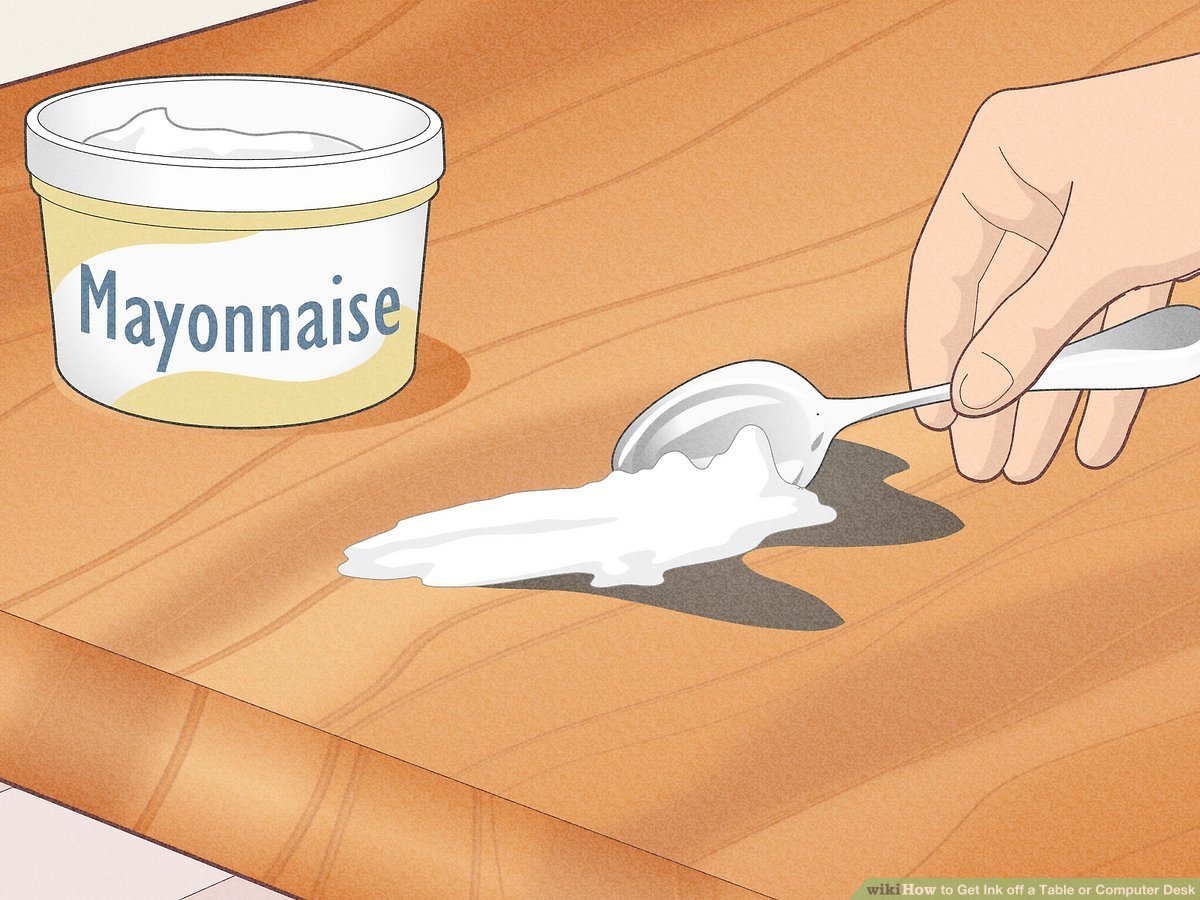
Credit: www.wikihow.com
When To Replace Or Repair Your Desk
Sometimes, ink stains are only part of the problem. If your desk is old, deeply stained, or warped, it may be time to refinish or replace it. Refinishing wood can remove years of ink stains, but it’s a bigger project.
For inexpensive desks, replacement may be more cost-effective.
If your desk has a unique or valuable finish, consult a restoration expert. Deep cleaning or sanding may lower its value or ruin the look.
For more background on ink composition and removal, you can read this Wikipedia article on ink.
Frequently Asked Questions
How Do I Remove Ink From A Painted Desk?
Use mild dish soap and water first. If the stain remains, try a little rubbing alcohol on a cotton swab. Always test in a hidden spot, as some paints can react with alcohol.
Is It Safe To Use Nail Polish Remover On Ink Stains?
Nail polish remover (acetone) can remove ink, but it may damage desk finishes, especially wood, laminate, or painted surfaces. Use with caution, and test first.
What If The Ink Stain Is Old And Dry?
Older stains are harder to remove. Start with isopropyl alcohol and repeat the process several times. For wood, consider a baking soda paste. Deep stains may need professional help.
Can I Use Bleach To Clean Ink Off My Desk?
Avoid bleach on desks, especially wood or colored surfaces. Bleach can discolor and damage the finish. Stick to safer cleaners like vinegar or rubbing alcohol.
Does Using A Hairdryer Help Remove Ink Stains?
No, using heat can set the ink deeper into the desk. It’s best to use gentle cleaning solutions and let the area air dry after cleaning.
Keeping your workspace clean helps you focus and shows you care about your environment. With the right approach, ink stains don’t have to be permanent. Remember, gentle cleaning and quick action are key to a spotless desk.
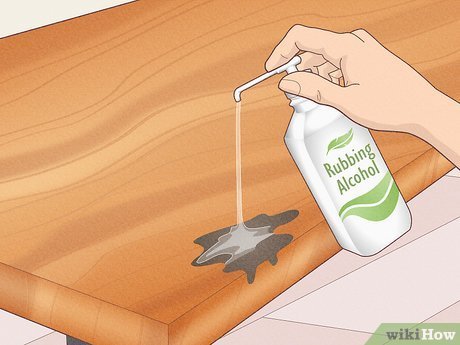
Credit: www.wikihow.com