
Daisy chaining power strips might look like a simple way to get more outlets, especially in homes or offices with many electronic devices. But is it safe? Many people have heard warnings, but few know the real reasons behind them.
Understanding the risks, the science, and the right ways to use power strips can help you stay safe and avoid accidents.
What Is Daisy Chaining Power Strips?
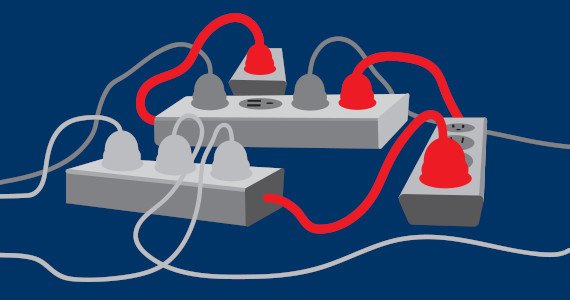
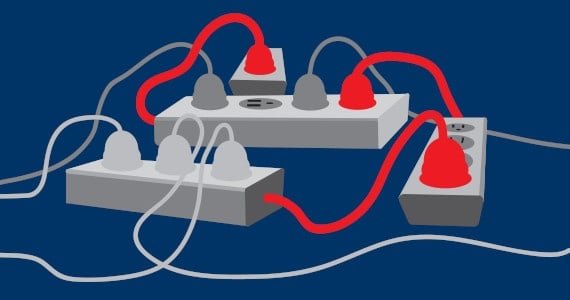
Daisy chaining means connecting one power strip into another, creating a chain of extension cords or strips. People do this to get more outlets from a single wall socket, especially when there are not enough plugs available. For example, you might plug your first power strip into the wall, then connect a second or third strip into the first one.
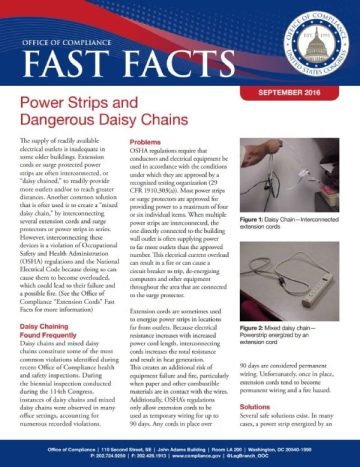
This setup seems convenient, but it actually creates multiple points of risk. In some places, such as schools, offices, and factories, daisy chaining is against electrical codes. Even in homes, it’s a practice that fire safety experts often warn against.
Why People Daisy Chain Power Strips
People usually daisy chain power strips for three main reasons:
- Limited wall outlets: Older buildings and crowded offices often lack enough outlets for all devices.
- More devices than outlets: Computers, chargers, lamps, and other electronics can outnumber available plugs.
- Convenience: It’s easier to add another strip than to move furniture or call an electrician.
But this convenience can be dangerous if you’re not careful.
The Dangers Of Daisy Chaining
Daisy chaining power strips is risky for several reasons. Here’s what really happens when you connect them this way:
Overloading Circuits
Each power strip and wall socket can only handle a certain amount of current (measured in amps or watts). Plugging multiple strips together adds up the total load. If the devices you plug in draw more current than the circuit can safely handle, you risk overheating wires. This can lead to fires or even power outages.
For example, if you plug in two strips, each with several devices, the total current might be much higher than the original wall outlet was designed for. The wires inside your walls may not be able to handle the load.
Tripping Circuit Breakers
Modern buildings have circuit breakers that cut off power when too much current flows through. Daisy chaining often trips these breakers. If you notice your lights flicker or your power goes out when using several strips, you may be overloading the circuit.
Damaged Power Strips
Power strips are not made to pass a high load to another strip. When you daisy chain them, the first strip carries all the current for the strips plugged into it. The strip can overheat, melt, or even catch fire.
In fact, many power strip user manuals warn against this practice.
Fire Hazards
The biggest risk is fire. According to the National Fire Protection Association (NFPA), extension cords, including power strips, are responsible for about 3,300 residential fires in the U.S. each year, causing deaths and injuries. Many of these fires happen because of overloaded circuits or daisy chaining.
Electrical Code Violations
In many regions, daisy chaining is not just unsafe—it’s illegal. Most electrical codes ban this practice in schools, offices, and factories. Insurance companies may refuse to pay for damages caused by fires started this way.
How Much Load Is Too Much?
To understand the risks, let’s look at some numbers. Most household outlets in the U.S. are rated for 15 or 20 amps. That equals about 1,800 to 2,400 watts. A single power strip may be rated for 1,500 to 1,800 watts.
Let’s see what happens if you daisy chain two strips, each with several devices:
| Device | Power (Watts) |
|---|---|
| Desktop Computer | 250 |
| Monitor | 40 |
| Lamp | 60 |
| Phone Charger | 10 |
| Heater (small) | 1,000 |
If you plug all these into two daisy-chained strips, the total is 1,360 watts—close to the safe limit. Add a few more devices, and you quickly go over the maximum safe load.
Common Mistakes People Make
Many people misunderstand the risks of daisy chaining. Here are some mistakes to avoid:
- Thinking power strips increase total capacity. The total capacity is still limited by the wall outlet and circuit, not by the number of strips.
- Plugging heavy appliances into power strips. Heaters, air conditioners, and microwaves draw a lot of power and should always plug directly into the wall.
- Ignoring product instructions. Most strips say “Do not daisy chain” or “Do not connect to another extension cord.”
- Covering cords or strips. Hiding wires under carpets or furniture traps heat, raising the risk of fire.
- Using damaged or cheap strips. Poor-quality strips may not have good safety features.
How To Use Power Strips Safely
If you must use a power strip, follow these safety tips:
- Use only one power strip per wall outlet. Never plug one strip into another.
- Check the maximum wattage. Make sure the total power used by all devices does not exceed the strip’s rating.
- Use strips with surge protection. These are safer for sensitive electronics.
- Inspect cords and strips often. Replace them if you see fraying, cracks, or burn marks.
- Avoid moisture. Never use power strips in bathrooms or wet locations.
Credit: www.interpower.com
Power Strips Vs. Extension Cords
People sometimes confuse power strips with extension cords, but they are not the same.
| Feature | Power Strip | Extension Cord |
|---|---|---|
| Number of Outlets | Multiple | One (sometimes two or three) |
| Surge Protection | Often included | Rarely included |
| Purpose | Connect several devices | Extend reach of outlet |
| Common Use | Computers, TVs | Temporary tools, lamps |
Both can be dangerous if daisy chained. The same rules apply: never connect one to another.
Signs Of Unsafe Daisy Chaining
How can you tell if your setup is unsafe? Watch for these warning signs:
- Warm or hot strips: If a strip feels hot, unplug it right away.
- Burn marks or smells: Any sign of burning means a serious danger.
- Tripped breakers: Frequent power loss means you’re overloading the system.
- Loose plugs: Plugs that wiggle or fall out can spark and cause fires.
If you see any of these, stop using the strips and call an electrician.
Credit: www.ocwr.gov
Safer Alternatives To Daisy Chaining
There are better ways to get more outlets without risking safety:
- Install more wall outlets. Hire a licensed electrician to add outlets where you need them.
- Use a power strip with enough outlets. Choose one strip with all the outlets you need, but never go over its total wattage.
- Use a power distribution unit (PDU). These are safer for server rooms and offices.
- Unplug devices not in use. This reduces total load and prevents overload.
- Choose strips with circuit breakers. They shut off power if the load gets too high.
Power Strip Features That Improve Safety
Not all power strips are the same. Look for these safety features:
- Built-in circuit breaker: Cuts power if overloaded.
- Surge protection: Protects devices from voltage spikes.
- UL or ETL rating: Shows the strip meets safety standards.
- Heavy-duty cord: Thicker wires can carry more current safely.
- Child-safe covers: Prevent kids from sticking objects into outlets.
These features make a big difference. However, even the best strip is not safe if daisy chained.
What Experts And Codes Say
Fire departments, insurance companies, and electrical codes all warn against daisy chaining. The Occupational Safety and Health Administration (OSHA) and the NFPA both say it’s a serious safety violation. Many insurance policies will not cover damage caused by electrical fires if daisy chaining is involved.
For more details, the official NFPA Electrical Safety page offers clear guidelines.
Real-life Examples
Understanding the risks is easier with real stories. In 2020, a fire in a college dorm started because students daisy chained several strips to power a mini fridge, microwave, and laptops. The wires overheated, and the fire caused $50,000 in damage.
No one was hurt, but everyone had to evacuate.
Another case: An office worker plugged a heater into a strip already powering computers and a printer. The strip overheated and melted, filling the office with smoke. The building’s insurance company refused to pay for the cleanup because daisy chaining was involved.
What Beginners Often Miss
Many beginners believe that power strips are “smart” devices that can handle any load. In reality, most strips are basic and cannot detect if you’re overloading them. Also, some think that using “heavy-duty” strips makes daisy chaining safe. This is not true; the wall outlet and wiring still limit the total safe load.
Another common mistake is thinking that plugging a strip into a surge protector makes it safer. The surge protector only guards against voltage spikes, not overload. You can still start a fire if you exceed the current limit.
Quick Reference Table: Safe Vs. Unsafe Practices
Here’s a fast way to check your setup:
| Practice | Safe | Unsafe |
|---|---|---|
| One strip per outlet | ✔️ | ❌ |
| Daisy chaining strips | ❌ | ✔️ |
| Plugging heater in strip | ❌ | ✔️ |
| Checking wattage limits | ✔️ | ❌ |
| Using UL listed strips | ✔️ | ❌ |
Credit: blog.interpower.com
Frequently Asked Questions
What Is Daisy Chaining Power Strips?
Daisy chaining means plugging one power strip into another, creating a chain. This is done to get more outlets from a single wall socket but increases the risk of overload and fire.
Is It Ever Safe To Daisy Chain Power Strips?
No, it is never safe. Electrical codes and experts all warn against this practice. Even “heavy-duty” or “industrial” strips are not meant for daisy chaining.
What Should I Do If I Need More Outlets?
The safest way is to have a licensed electrician add more wall outlets. Alternatively, use a single power strip that provides enough outlets for your needs, and always check the total wattage.
What Are The Signs Of An Overloaded Power Strip?
If your power strip feels hot, smells like burning, or the circuit breaker trips often, you may be overloading the strip. Unplug devices and check the strip’s rating right away.
Can I Plug A Surge Protector Into A Power Strip?
No, you should not. This is also a form of daisy chaining. Both devices add to the total load, increasing the risk of fire.
Using power strips wisely helps keep your home and office safe. Always follow the manufacturer’s instructions, never daisy chain, and when in doubt, ask a professional electrician. With the right approach, you can enjoy convenience without putting yourself at risk.
Related Office Guides
Continue with these related workspace guides: