
Paper shredders are essential tools in offices and homes, protecting sensitive information from prying eyes. But over time, even the best shredders can slow down, jam, or overheat if they aren’t properly cared for. Regular cleaning doesn’t just extend the life of your machine—it keeps your work flowing smoothly and prevents frustrating breakdowns.
If you want your shredder to work like new, you need to know the best cleaning methods, the right tools, and what mistakes to avoid.
This article will guide you through everything you need to know about shredder cleaning, from daily dusting to deep maintenance. You’ll learn practical steps, get pro tips, and find answers to common questions. Whether you have a basic strip-cut model or a high-end cross-cut machine, these tips will help you get the most from your investment.
Why Shredder Cleaning Matters
A neglected shredder can quickly become a problem. Paper dust, oil residue, and tiny bits of debris build up inside, causing the blades to dull and the motor to work harder. Frequent jams are often a sign your shredder needs attention. Over time, a dirty shredder can overheat or even break down completely, leading to expensive repairs or replacement.
Shredder cleaning also protects your data. When blades are sharp and rollers are clean, documents are destroyed more thoroughly, reducing the risk of information theft. Clean machines are also safer, since jammed paper or plastic can cause unexpected shutdowns or even small fires.
Getting Started: Tools And Safety
Before you start, gather a few basic items:
- Soft brush or paintbrush for dusting blades and interior parts
- Vacuum cleaner with a narrow nozzle for removing debris
- Microfiber cloth for wiping surfaces
- Shredder lubricant (oil sheets or bottle)
- Protective gloves to avoid sharp edges
- Compressed air canister (optional, for tight spots)
Always unplug your shredder before cleaning. Even if you’re just wiping the outside, this protects you from accidental starts or electric shock. If your shredder uses a safety lock, engage it.
Step-by-step Shredder Cleaning Process
Keeping your shredder in top shape doesn’t take long if you follow these steps regularly.
1. Empty The Bin
A full bin is the main cause of jams and poor shredding. Check your bin daily in busy offices, or at least weekly at home. Don’t wait for it to overflow—most shredders work best when the bin is less than 75% full.
2. Clean The Blades
Paper dust and tiny scraps stick to the blades, especially in cross-cut and micro-cut models. Here’s how to clean them:
- Remove the top of the shredder (if possible).
- Use your soft brush to gently sweep away visible debris.
- For stuck particles, use a vacuum or compressed air. Aim at a slight angle to avoid pushing debris deeper.
- Never use metal tools or your fingers—shredder blades are sharp!
3. Wipe The Sensors
Many shredders use infrared or mechanical sensors to detect paper. Dust or oil can block these, causing feed problems. Use a dry microfiber cloth to gently wipe the sensors (usually found near the paper entry slot).
4. Lubricate The Blades
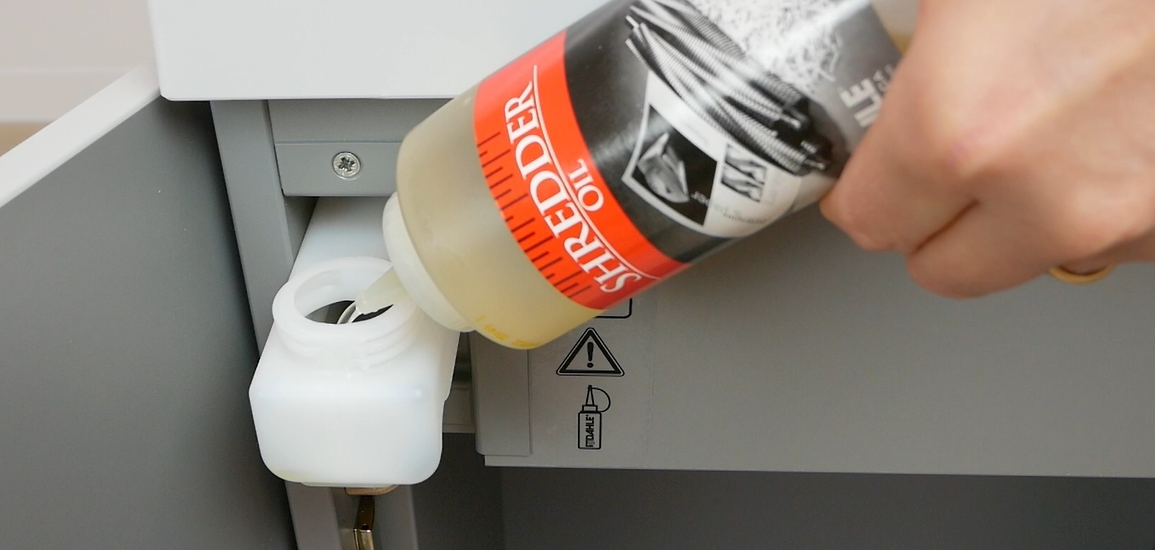
Proper lubrication prevents squeaking and overheating. Use only shredder oil or pre-oiled sheets—never cooking oil or WD-40, as these can damage parts.
- Run the oil sheet through the shredder as you would a piece of paper.
- If using liquid oil, squeeze a zigzag pattern onto a plain sheet of paper and shred it.
- Run the shredder in reverse for 10 seconds to distribute oil.
How often? For heavy use, lubricate every 2 weeks; for light use, once a month is enough.
5. Clean The Exterior
Wipe the outside with a dry or slightly damp microfiber cloth. Avoid harsh cleaners—they can fade labels or damage plastic.
6. Inspect For Wear
Look for bent blades, cracked plastic, or loose screws. If you spot serious damage, stop using the shredder and contact a technician.
Deep Cleaning: When And How
Sometimes, your shredder needs more than a quick dusting. Deep cleaning is important every few months, especially in dusty environments or if you shred materials like credit cards or CDs.
- Unplug and Disassemble: Remove the shredder head (follow your manual). Do not take apart the blade assembly unless you are experienced.
- Remove Stuck Paper: Tweezers can help pull out stubborn pieces. Be gentle to avoid damaging the blades.
- Vacuum All Surfaces: Focus on the feed slot, blade area, and bin.
- Clean Rollers: Wipe rollers with a lightly damp cloth. Dry them thoroughly before reassembling.
- Check Motor Vents: Dust can clog air vents. Use compressed air to clear them.

Credit: drgacfleet.com
How To Avoid Common Shredder Cleaning Mistakes
Many users accidentally shorten their shredder’s life with these errors:
- Using the wrong oil or too much oil, which attracts more dust.
- Forcing jammed paper with scissors or metal tools.
- Cleaning while the machine is plugged in.
- Ignoring the sensors and feed slot during cleaning.
- Skipping lubrication, leading to faster blade wear.
Insight: Some shredders have self-cleaning cycles. If yours does, run this program monthly, but still check for dust and debris by hand.
Comparing Shredder Types: Which Needs The Most Cleaning?
Different shredders require different levels of care. Here’s a quick comparison:
| Shredder Type | Cleaning Frequency | Typical Issues |
|---|---|---|
| Strip-cut | Monthly | Paper jams, dust buildup |
| Cross-cut | Bi-weekly | Debris in blades, more oiling needed |
| Micro-cut | Weekly | Fine dust, difficult jams |
If you shred a lot of plastic cards or thick documents, clean more often—these materials leave more residue.
Shredder Cleaning Schedules For Home And Office
How often should you clean your shredder? It depends on how much you use it.
| Usage Level | Cleaning Tasks | Recommended Frequency |
|---|---|---|
| Light (Home, 1-2 times/week) | Empty bin, wipe sensors, oil blades | Every 3-4 weeks |
| Medium (Small Office, daily use) | Empty bin, clean blades, oil, check sensors | Every 2 weeks |
| Heavy (Busy office, multiple users) | All tasks above plus deep clean | Weekly |
Insight: Even if your shredder isn’t used much, dust can settle inside. Don’t skip cleaning for long periods.
Choosing The Right Shredder Lubricant
Not all lubricants are safe for shredders. Some can gum up the gears or cause electrical problems.
- Shredder oil: Specially designed, usually vegetable-based. Safe for all machines.
- Oil sheets: Pre-oiled paper, convenient and mess-free.
- Avoid: WD-40, cooking oil, or motor oil.
If you’re unsure, check your shredder’s manual or manufacturer’s website.
Credit: smartbuy.alibaba.com
Tips For Longer Shredder Life
Proper cleaning is only one part of shredder care. Follow these tips for a machine that lasts:
- Don’t exceed the maximum sheet capacity.
- Allow your shredder to cool down after heavy use.
- Never shred items not recommended by the manufacturer (staples, thick plastics).
- Store in a dry, dust-free area.
- Keep the power cord clean and untangled.
Signs Your Shredder Needs Immediate Attention
Some problems mean you should stop using your shredder and inspect it right away:
- Unusual noises (grinding, squealing)
- Burning smell or smoke
- Consistent jamming, even with small loads
- Paper feeding unevenly or not at all
If you notice these, unplug the machine and check for visible problems. If cleaning doesn’t solve the issue, it’s time for professional service.
Credit: www.shredderwarehouse.com
Eco-friendly Cleaning Practices
You can keep your shredder clean and be eco-friendly, too:
- Use biodegradable shredder oil.
- Recycle shredded paper (if not sensitive).
- Avoid disposable wipes—use washable microfiber cloths.
- Don’t dump debris outdoors; paper dust can harm local wildlife.
When To Call A Professional
Some shredder problems are best left to experts:
- Motor failures or electrical issues
- Deep, unreachable jams
- Broken blades or parts
Regular cleaning prevents most problems, but if your shredder is under warranty, don’t try to fix complex issues yourself. Always use authorized repair services.
For more technical maintenance tips, check the official guidelines at the Fellowes Resource Center.
Frequently Asked Questions
How Often Should I Oil My Shredder?
For home use, oil the blades every month. In offices, do it every 2 weeks. If you shred a lot of paper daily, oil weekly to prevent jams and overheating.
Can I Use Regular Cooking Oil To Lubricate My Shredder?
No, only use shredder oil or oil sheets. Cooking oils can get sticky, attract dust, and damage the motor or blades.
What Should I Do If My Shredder Jams During Cleaning?
Unplug the shredder right away. Gently remove visible paper with tweezers. Never force or poke with metal objects, as this can bend the blades.
Is It Safe To Clean A Shredder With Water?
Never use water on or inside the shredder head or blades. Only use a slightly damp cloth on the exterior, and make sure everything is dry before plugging it in.
Why Does My Shredder Still Jam After Cleaning?
Frequent jams may mean you’re overloading the shredder, or the blades are dull. Try smaller stacks of paper and lubricate more often. If problems persist, contact a technician.
A well-maintained shredder is an investment in your security and productivity. With the right cleaning habits, your machine can last years longer, saving you time and money—and keeping your information safe. Start your shredder cleaning routine today, and enjoy smooth, hassle-free shredding every time.
Related Office Guides
Continue with these related workspace guides: