
Keeping your workspace clean is about more than just looks. If you use a keyboard or mouse for long hours, you probably have a rubber wrist rest. Over time, these supports collect sweat, oil, dust, and even food crumbs. A dirty wrist rest not only feels unpleasant but can also become a breeding ground for bacteria. Many people don’t realize how much grime builds up on these pads, and even fewer know the right way to clean them. The good news: you can restore your wrist rest to a fresh, comfortable state with a few simple steps and some smart care.
This guide walks you through everything you need to know about cleaning your rubber wrist rest. You’ll learn about different cleaning methods, how often to clean, what products to use or avoid, and even how to handle stubborn stains and odors.
Whether you use a simple gel wrist rest, a fancy ergonomic pad, or a built-in keyboard support, these tips will help you keep your workspace hygienic and comfortable.
Why Clean Your Rubber Wrist Rest?
Your wrist rest comes into contact with your skin every day. Sweat, body oils, and dirt from your hands build up quickly. This not only causes unpleasant odors but may also irritate your skin and spread germs. According to studies, the average office desk harbors more than 400 times the bacteria found on a toilet seat.
The rubber surface can trap these microbes, especially if you snack at your desk or rarely wipe down your workspace.
Besides hygiene, cleaning your wrist rest helps it last longer. Dirt and oils can break down the rubber surface, making it sticky or brittle over time. Regular cleaning removes these damaging substances and keeps the wrist support comfortable and effective.
Understanding Your Wrist Rest Material
Not all wrist rests are the same. Before you start cleaning, check what kind of rubber or cover your wrist rest uses. Most fall into these categories:
- Solid rubber: Durable, often found in simple, inexpensive wrist rests.
- Gel-filled with rubber exterior: Offers more cushion but may be sensitive to harsh cleaners.
- Rubber with fabric cover: The most common style, combining comfort and grip.
- Memory foam with rubber base: The top is often cloth or synthetic, but the base is rubber.
If possible, check the product label or the manufacturer’s website. Some wrist rests are not water-resistant or may warn against certain cleaning chemicals. When in doubt, start with the gentlest method.
What You Need: Essential Supplies
To clean your rubber wrist rest properly, gather these supplies:
- Mild dish soap (avoid bleach or harsh chemicals)
- Warm water (not hot, as heat can warp rubber)
- Soft cloth or microfiber towel
- Soft-bristled brush (like an old toothbrush)
- Cotton swabs (for crevices)
- Isopropyl alcohol (for disinfecting, optional)
- Paper towels or an absorbent towel
- Spray bottle (optional, for diluted solutions)
Avoid abrasive scrubbers or harsh solvents. These can damage the rubber surface, cause fading, or leave sticky residues.
Step-by-step Cleaning Guide
1. Remove The Wrist Rest
First, take the wrist rest away from your keyboard or mouse pad. This prevents water or cleaning solution from getting on your electronics. If your wrist rest is attached to a keyboard, check if it can be detached. If not, be extra careful not to let moisture seep into the device.
2. Dry Dust And Debris Removal
Shake the wrist rest gently over a trash bin to remove loose crumbs and dust. Use a dry microfiber cloth to wipe the surface. For edges and seams, use a cotton swab or a soft brush to loosen dirt.
3. Prepare A Cleaning Solution
Fill a bowl with warm water and add a few drops of mild dish soap. Mix until it creates a soapy solution. For quick cleaning, you can put this mixture in a spray bottle.
4. Wipe Down The Surface
Dip your cloth in the soapy water, wring out excess moisture, and gently wipe the rubber surface. For sticky spots or stains, use the soft-bristled brush in a circular motion. Be gentle—pressing too hard can damage the surface or push water into seams.
If your wrist rest has a fabric cover, avoid soaking it. A lightly damp cloth is best.
5. Clean Crevices And Grooves
Rubber wrist rests often have textured surfaces or seams where dirt collects. Use a dampened cotton swab or toothbrush to clean these areas. Move slowly to avoid tearing or pulling at stitching.
6. Rinse Off Soap Residue
After cleaning, use another cloth dampened with plain water to wipe away any soap residue. Soap left on the rubber can make it sticky and attract more dirt.
7. Dry Thoroughly
Pat the wrist rest with a dry towel to remove surface moisture. Then, leave it to air dry completely before using it again. Avoid direct sunlight or heaters, as heat can warp or dry out the rubber. If possible, stand the wrist rest on its edge to let air flow around all sides.
8. Optional: Disinfecting
If you’re concerned about germs, wipe the surface with a cotton pad dampened with isopropyl alcohol (at least 70%). This kills most bacteria and viruses but dries quickly, so it won’t damage the rubber if used sparingly. Avoid soaking the wrist rest.
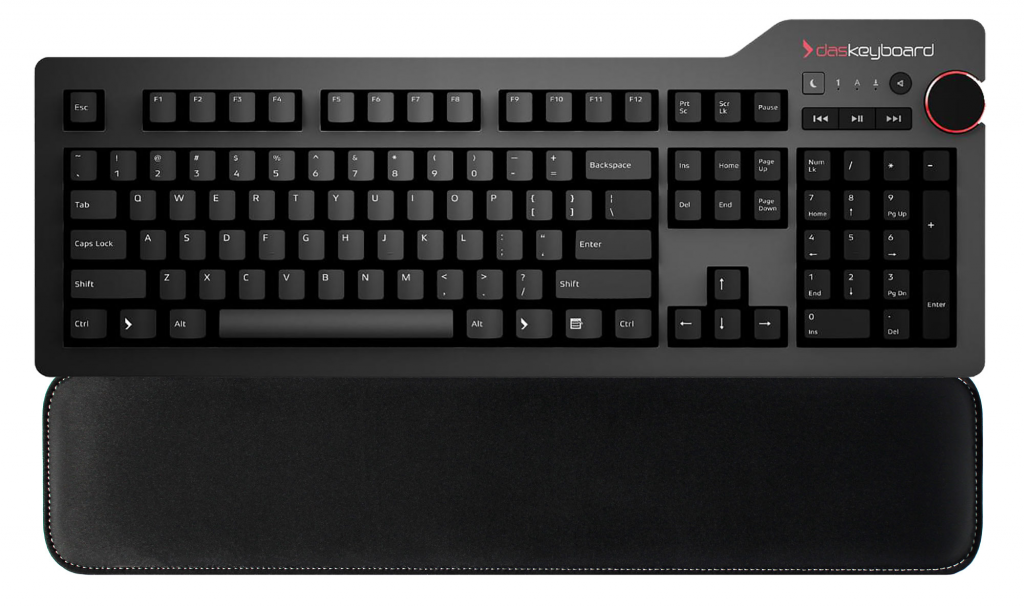
Credit: www.daskeyboard.com
Removing Stubborn Stains And Odors
Some wrist rests develop deep stains from ink, sweat, or food. Others may start to smell bad, especially in humid environments. Here are ways to tackle these issues:
- Baking Soda Paste: Mix baking soda with a little water to create a thick paste. Apply it to the stained area, let it sit for 10 minutes, then scrub gently with a brush and wipe clean.
- Vinegar Solution: Mix equal parts white vinegar and water. Dab the solution onto the stain or odor spot, wait five minutes, then wipe with a damp cloth. Vinegar neutralizes many odors and breaks down grime.
- Hydrogen Peroxide: For tough stains, use a cotton swab dipped in hydrogen peroxide. Test on a small area first to ensure it doesn’t discolor the rubber.
- Odor Removal: Sprinkle baking soda over the wrist rest, let it sit overnight, then brush or vacuum it off. This absorbs lingering smells.
Never use bleach or strong solvents—they can damage the rubber and cause fading.
How Often Should You Clean Your Wrist Rest?
Frequency depends on how much you use your workspace and your personal habits. Here’s a quick reference:
| Usage Level | Recommended Cleaning Frequency |
|---|---|
| Heavy use (8+ hrs/day, shared workspace) | Weekly |
| Normal use (2-8 hrs/day) | Every 2-3 weeks |
| Light use (less than 2 hrs/day) | Monthly |
| After spills or sickness | Immediately |
If you eat at your desk or have allergies, clean more often.
Comparing Cleaning Methods
Different cleaning methods have their pros and cons. Here’s a comparison to help you pick what fits your needs:
| Method | Pros | Cons |
|---|---|---|
| Soap & Water | Safe, effective, removes most dirt | Needs drying time, may not kill all germs |
| Alcohol Wipes | Quick, disinfects, fast drying | Can dry out rubber if overused |
| Baking Soda Paste | Removes odors, gentle on material | Messy, extra cleaning needed |
| Vinegar Solution | Neutralizes odors, eco-friendly | Strong smell, may not suit all materials |
What Not To Do
Many people make mistakes when cleaning their wrist rests, often without realizing it. Here are common errors to avoid:
- Avoid soaking: Submerging the wrist rest in water can damage the material and cause it to lose shape.
- No harsh chemicals: Products like bleach, ammonia, or acetone can break down the rubber and leave stains.
- Don’t use hot water: Heat can warp or weaken the material.
- No abrasive tools: Steel wool or rough sponges scratch and tear the surface.
- Don’t rush drying: Using a hair dryer or placing the wrist rest in the sun can cause cracks or fading.
- Don’t skip regular cleaning: Waiting too long makes stains and smells harder to remove.
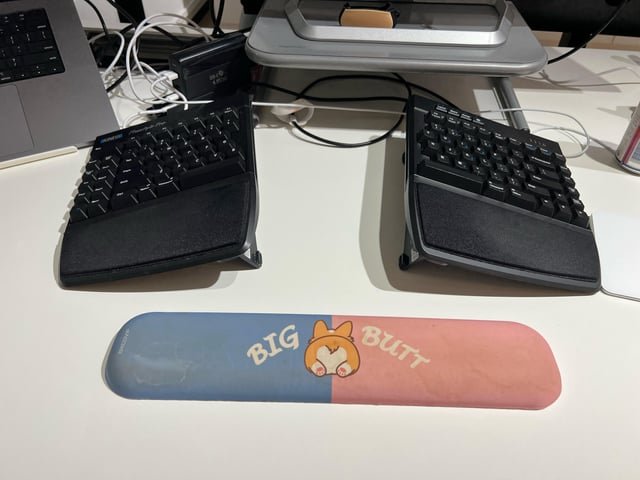
Credit: www.reddit.com
Tips For Keeping Your Wrist Rest Clean
Prevention is easier than deep cleaning. Here are some practical ways to keep your rubber wrist rest fresh:
- Wash hands before using your computer.
- Don’t eat over your keyboard to avoid crumbs and spills.
- Wipe down daily with a dry microfiber cloth.
- Cover the wrist rest with a washable cloth if you sweat a lot.
- Store away from sunlight and heat to prevent rubber aging.
- Replace when needed—even with the best care, wrist rests need replacing every 1-2 years, especially if they crack or lose support.
When To Replace Your Wrist Rest
Even with the best cleaning, rubber wrist rests have a limited life. If you notice any of these signs, it’s time for a new one:
- Cracks or splits in the rubber
- Sticky or tacky feeling that doesn’t wash off
- Loss of cushioning or shape
- Persistent odor after cleaning
- Visible mold or mildew
Continuing to use a damaged wrist rest can lead to discomfort or even skin irritation.
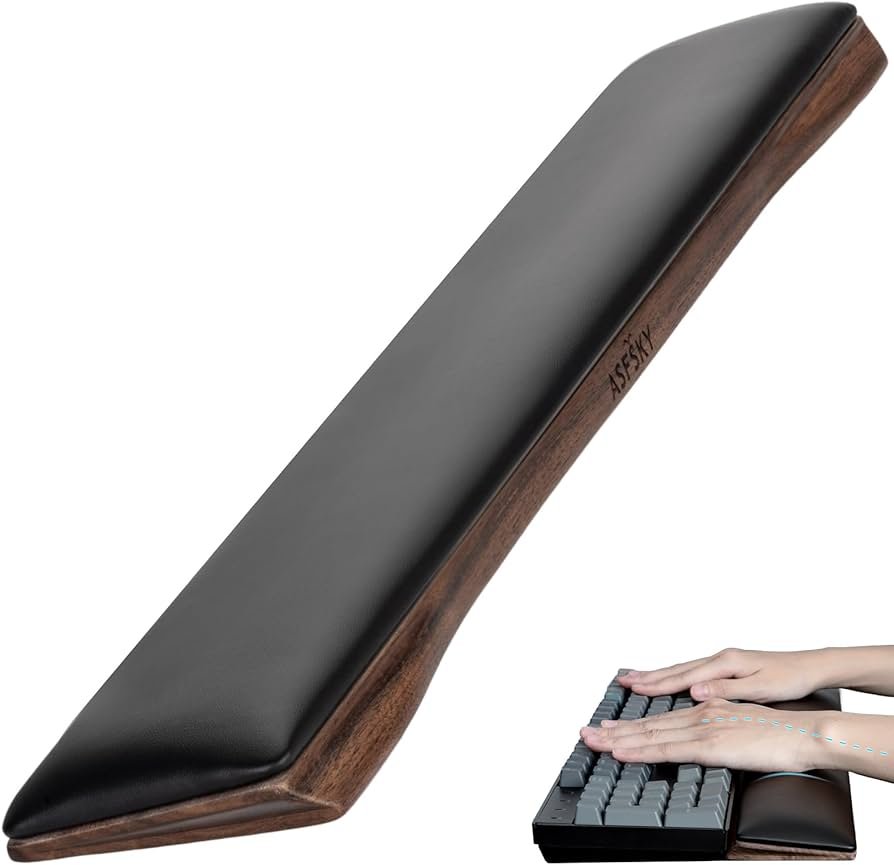
Credit: www.amazon.sa
Environmental Impact And Disposal
Rubber wrist rests are not always easy to recycle. Before throwing one away, check if your local recycling center accepts synthetic rubber. Some office supply stores offer recycling programs for old electronics and accessories. If possible, repurpose old wrist rests for other uses, such as doorstops or garden kneepads.
For more on recycling rubber products, check guidance from the U.S. Environmental Protection Agency.
Frequently Asked Questions
How Do I Clean A Wrist Rest With A Fabric Cover?
For wrist rests with fabric covers, use a lightly dampened cloth with mild soap. Don’t soak the fabric. For deeper cleaning, spot-treat stains with a small amount of vinegar solution or gentle laundry detergent. Always air dry fully before using.
Can I Put My Rubber Wrist Rest In The Washing Machine?
Most rubber wrist rests are not machine-washable. Washing machines can break down the glue, warp the rubber, or tear covers. Always clean by hand using the steps above.
How Do I Remove A Sticky Feeling From My Wrist Rest?
If your wrist rest feels sticky, it could be from sweat, oil, or residue. Clean thoroughly with soap and water, then wipe with a little rubbing alcohol. If it stays sticky, the rubber may be breaking down, and it’s time to replace it.
Is It Safe To Use Disinfectant Sprays On My Wrist Rest?
Most disinfectant sprays are safe in small amounts if sprayed on a cloth first, not directly on the wrist rest. Avoid products with bleach or ammonia. Test on a small area to ensure no damage.
How Do I Know If My Wrist Rest Is Real Rubber Or Synthetic?
Check the label, packaging, or manufacturer’s website. Real rubber often has a mild smell and more flexibility, while synthetic rubber (like polyurethane) may feel firmer and have no odor. Synthetic types are more common in budget wrist rests.
Taking care of your rubber wrist rest keeps your workspace comfortable and healthy. A clean support can reduce your risk of skin irritation and even help you focus better. By following these simple steps and regular maintenance, you’ll extend the life of your wrist rest and enjoy a fresher work environment every day.
Related Office Guides
Continue with these related workspace guides: