
Placing a power strip in the right spot seems simple, but it’s more important than many people realize. A power strip can make your life easier by giving you more outlets where you need them. But if you put it in the wrong place, it can lead to safety risks like electric shocks, fires, and even damage to your devices. Many households and offices use power strips daily, but few think about safe placement. Learning where and how to use them helps protect your family, your electronics, and your peace of mind.
This guide shows you the best places to put your power strip, what to avoid, and the extra steps you should take for safety. Whether you use power strips for your home office, TV, kitchen, or garage, these tips will help you use them wisely.
By the end, you’ll know exactly how to stay safe and make your power strip last longer.
Why Power Strip Placement Matters
Power strips may look harmless, but they handle a lot of electricity. If placed poorly, even a good-quality power strip can become a hazard. In the United States alone, faulty power strips cause more than 3,300 home fires each year, according to the National Fire Protection Association. Most of these accidents happen because people ignore proper placement or overload the strip.
The right placement reduces tripping risks, prevents overheating, and keeps the strip away from water. You’ll also avoid overloading circuits, which can damage both the strip and your electronics. Knowing where to put your power strip is just as important as buying a safe one.
Best Places To Put A Power Strip Safely
Let’s look at the safest and most effective spots for your power strip, along with why they work.
1. On A Flat, Hard Surface
Always place the power strip on a flat, stable surface like wood, tile, or concrete. This keeps it steady, stops it from sliding, and prevents heat from building up underneath.
- Surfaces like desks, tables, and shelves are ideal.
- Avoid soft surfaces like carpets or rugs, which can block airflow and cause overheating.
2. Away From Direct Sunlight
Too much heat can damage a power strip. Place it where it won’t get direct sunlight, especially near windows or glass doors. Sunlight can weaken the plastic and make the strip hot, increasing fire risk.
3. Off The Floor When Possible
If you can, mount your power strip on a wall or the side of furniture. Many strips have holes or brackets for this. It keeps the strip away from dust, dirt, and spills, which are common causes of problems.
- Wall mounting is perfect for workbenches, TV stands, and desks.
- Use the manufacturer’s instructions for safe installation.
4. Close To The Power Source
Plug the strip directly into a wall outlet—not into another power strip or extension cord. Keep it as close to the outlet as possible to avoid stretching the cord, which could cause wear and expose wires.
5. In Well-ventilated Areas
Electronics can get hot during use. Place the power strip where air can move around it. Avoid putting it in tight spaces like behind heavy furniture or inside cabinets unless there is good airflow.
6. Away From Water And Damp Areas
Keep power strips out of kitchens, bathrooms, laundry rooms, and garages unless they are specially rated for wet locations. Water and electricity are a dangerous mix.
- Never place a power strip near sinks, bathtubs, or washing machines.
- If you need a strip in a potentially wet area, use one with a ground fault circuit interrupter (GFCI).
7. Out Of High-traffic Paths
Put the strip where people won’t trip over it or where it won’t get stepped on. Cables stretched across walkways are a common cause of falls and can damage the strip.
- Route cords along walls and use cable covers if needed.
8. Away From Flammable Materials
Don’t place a power strip on top of paper, fabric, or near curtains. If the strip overheats, these materials can catch fire easily.
9. In Reach But Out Of Children’s Sight
Keep power strips accessible for plugging and unplugging, but out of reach of small children and pets. Consider behind furniture or mounted above desk height if there are kids around.
10. Near Your Devices, Not The Wall
Try to place the power strip close to the devices you use most, not just near the wall outlet. This reduces the need for long, trailing cords, which can create both tripping and electrical risks.
Where Not To Place A Power Strip
Knowing where *not* to put a power strip is just as important as knowing where to put one. Here are some common mistakes:
On Carpets And Rugs
Soft surfaces like carpets trap heat and block the strip’s vents. Over time, this can lead to overheating and fires. If you must use a strip near a carpet, place it on a hard mat or mounting tray.
In Wet Or Humid Locations
Bathrooms, kitchens, and outdoor areas are risky for regular power strips. Even small amounts of moisture can cause a short circuit.
Inside Closed Cabinets
Cabinets often have poor airflow. Power strips inside cabinets can get very hot, especially if they’re running high-wattage devices.
Behind Heavy Furniture
If you squeeze a strip behind a sofa or dresser, it can get crushed or bent. This damages the cords and makes it hard to unplug in an emergency.
Plugged Into Extension Cords Or Other Power Strips
This is called “daisy chaining,” and it’s one of the most dangerous mistakes. It can overload your circuits and create a serious fire hazard.
Comparing Safe And Unsafe Power Strip Locations
To help you see the difference between good and bad locations, here’s a quick comparison.
| Location | Safe? | Reason |
|---|---|---|
| On a wooden desk | Yes | Flat, stable, good airflow |
| Under a rug | No | Traps heat, risk of overheating |
| Mounted on wall above floor | Yes | Keeps away from dust and spills |
| Inside a closed cabinet | No | Poor ventilation, high heat risk |
| Next to a window in sunlight | No | Sunlight can cause overheating |
Extra Safety Tips For Using Power Strips
Even with good placement, you need to follow some key safety rules:
Don’t Overload The Power Strip
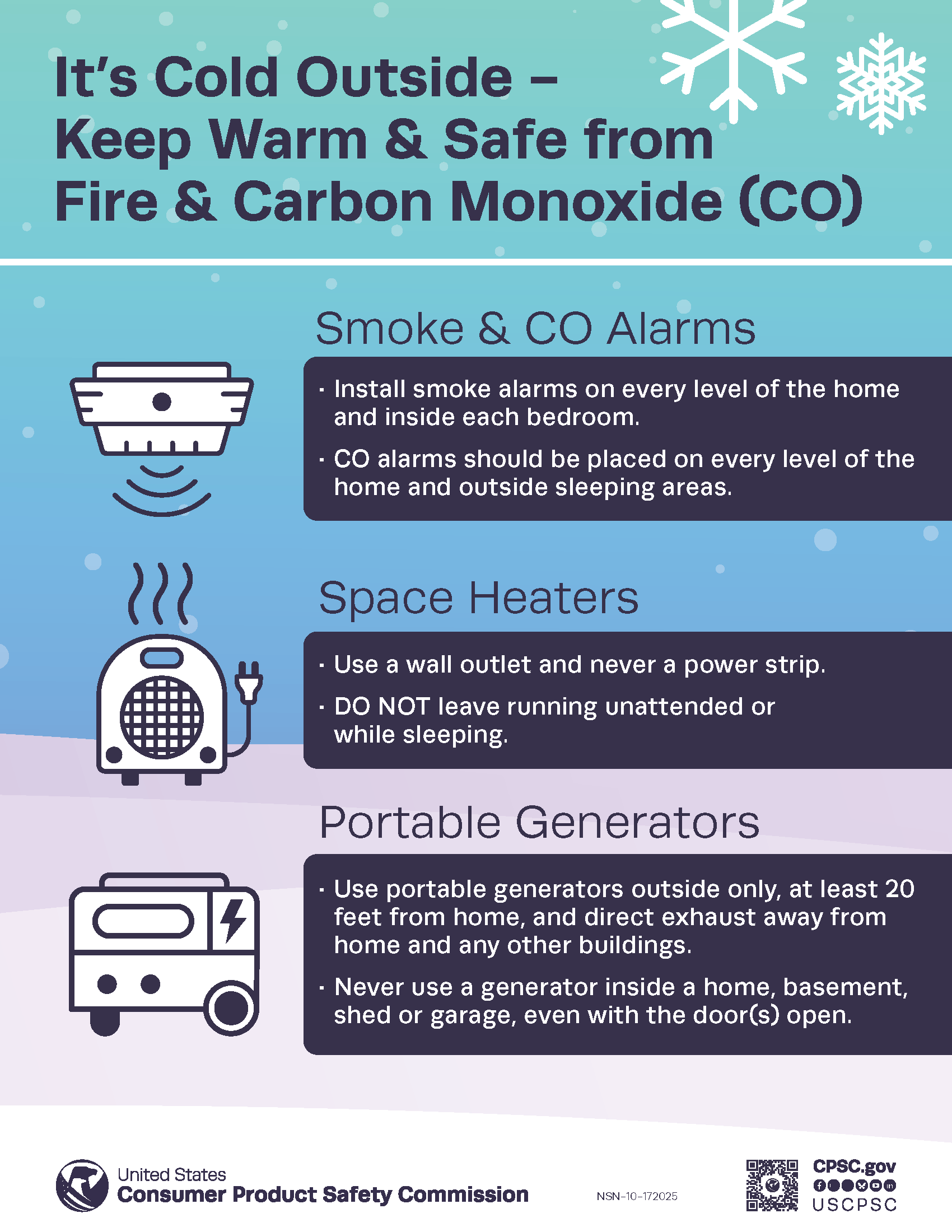
Every power strip has a maximum wattage or amperage rating. Never plug in more devices than it can handle. High-wattage appliances like heaters, microwaves, or hairdryers should never be used with standard power strips.
Use Surge Protection For Expensive Devices
If you’re powering computers, TVs, or other electronics, choose a power strip with surge protection. This protects your devices from voltage spikes during storms or power surges.
Check For Damage Often
Look at your power strip every few weeks. If you see frayed cords, scorch marks, or if the strip feels hot, replace it immediately.
Unplug When Not In Use
If you don’t need the power strip, unplug it. This saves energy and reduces the risk of fire, especially if you’ll be away for a long time.
Buy Certified Products
Only buy strips with safety marks like UL (Underwriters Laboratories) or ETL. These show the product meets safety standards.
What To Do If You Need A Power Strip In A Risky Area
Sometimes you don’t have a choice. If you must use a power strip in a kitchen, bathroom, or garage, look for special models:
- Use GFCI-protected power strips for wet areas.
- Look for water-resistant or outdoor-rated strips for garages, patios, and workshops.
- Never use regular indoor strips outside.
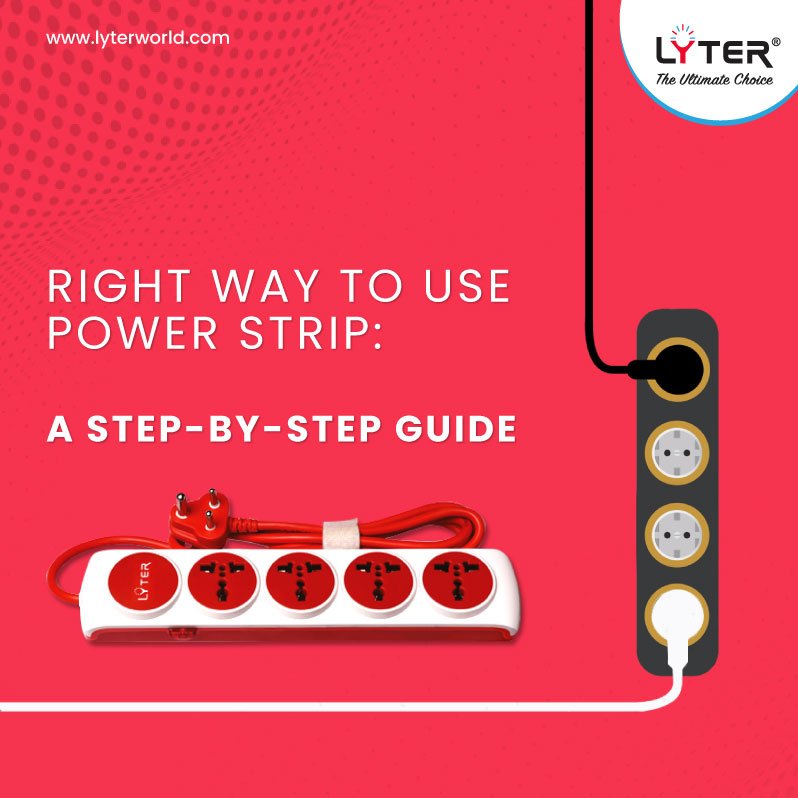
Credit: lyterworld.com
Comparing Power Strip Types For Different Locations
Choosing the right type of power strip for your location is also key.
| Type | Best Location | Features |
|---|---|---|
| Standard indoor strip | Living room, bedroom, office | Basic overload protection |
| Surge protector strip | Home office, entertainment center | Protects electronics from surges |
| Outdoor-rated strip | Garage, patio, workshop | Weather and water resistant |
| GFCI power strip | Kitchen, bathroom, laundry | Protects against electrical shock |
Common Mistakes To Avoid
Even people who know the basics sometimes make these mistakes:
- Daisy chaining power strips (plugging one strip into another)
- Covering the power strip with blankets or clothes
- Using damaged or old strips
- Mounting strips upside down (can let dust and debris fall into the sockets)
- Using the strip near flammable chemicals or sprays (like in a garage)
Credit: www.cpsc.gov
Practical Examples
Let’s look at some real-life examples:
- Home office: Mount the strip under your desk, away from your feet, with surge protection for your computer.
- Bedroom: Place the strip on a bedside table or mount it behind the nightstand, never under the bed.
- Garage: Use an outdoor-rated strip, mounted high on the wall, away from workbenches where spills can happen.
- Kitchen: Only use a GFCI-rated strip, and keep it far from the sink and stove.
Signs It’s Time To Replace Your Power Strip
Power strips don’t last forever. Here’s when you should buy a new one:
- The strip feels hot to the touch
- You smell burning or see scorch marks
- The cord is frayed or cracked
- Outlets are loose or don’t hold plugs tightly
- The on/off switch is stuck or broken
Replacing a strip at the first sign of trouble is always safer—and usually cheaper—than dealing with a fire or damaged devices.

Credit: www.amazon.com
The Role Of Regular Maintenance
Checking your power strips is easy, but most people forget. Set a reminder to inspect all strips in your home every three months. Dust them, check for signs of wear, and test the reset button if your strip has one.
This habit can prevent most problems before they start.
Power Strip Placement: Quick Reference
Here’s a quick summary to help you remember the key rules.
| Do | Don’t |
|---|---|
| Place on hard, flat surfaces | Use on carpets or soft surfaces |
| Mount if possible | Hide inside closed cabinets |
| Keep away from water | Put near sinks or bathtubs |
| Use certified strips | Use old or damaged strips |
| Check regularly for damage | Daisy chain with other strips |
Frequently Asked Questions
What Is The Safest Place To Put A Power Strip?
The safest place is on a flat, hard surface like a desk or shelf, away from water, direct sunlight, and flammable materials. Mounting on a wall is even better, especially in high-traffic areas.
Can I Use A Power Strip In The Bathroom Or Kitchen?
Yes, but only if you use a GFCI-protected or water-resistant strip. Keep it far from sinks, stoves, and any source of moisture. Never use standard indoor power strips in wet areas.
Is It Safe To Hide A Power Strip Behind Furniture?
It’s okay if there’s enough space for air to move and you can reach it easily. Do not squeeze the strip or cords tightly, and avoid heavy furniture that could crush them.
How Many Devices Can I Plug Into A Power Strip?
Check the strip’s maximum wattage or amperage. Never plug in more devices than it’s rated for. High-power devices like heaters or microwaves should go directly into the wall outlet.
Where Can I Find More Information About Electrical Safety And Power Strips?
You can visit the National Fire Protection Association for detailed safety tips and data.
Using a power strip safely is not just about what you plug in, but where you put it. Follow these steps to make your home or office safer and keep your devices running smoothly. A small change in placement can make a big difference in your safety and peace of mind.