
Removing pen marks from your desk can feel frustrating. Maybe you were working quickly, your pen slipped, and now there’s a blue or black line on your workspace. Or perhaps your child used your desk for drawing, leaving a reminder that won’t wipe away with a simple tissue.
Many people worry that pen stains are permanent, but the good news is that most pen marks can be removed without damaging the desk surface—if you use the right techniques and products.
This guide will show you how to tackle pen stains on different types of desks. You’ll learn why some marks are harder to remove, what products actually work, and how to avoid common mistakes that can make stains worse. Whether your desk is wood, laminate, plastic, or glass, you’ll find practical solutions.
You’ll also discover a few surprising tricks that most people miss. With a little care and the right approach, you can restore your desk to a clean, professional look.
Understanding Desk Surfaces And Pen Types
Before jumping into cleaning methods, it’s important to know what you’re dealing with. Not all desks are the same, and not all pens leave the same kind of stain. The wrong method can even damage your desk.
Common Desk Materials
- Wood: Desks made from natural wood or with wood veneer are sensitive to strong chemicals and scrubbing.
- Laminate: These have a plastic coating, making them more resistant, but they can still be scratched or stained if cleaned improperly.
- Plastic: Durable and more tolerant of cleaning products, but can discolor with harsh chemicals.
- Glass: Easy to clean, but can show streaks or scratches if the wrong tools are used.
- Metal: Usually powder-coated or painted, but the finish can chip with abrasive cleaners.
Types Of Pen Ink
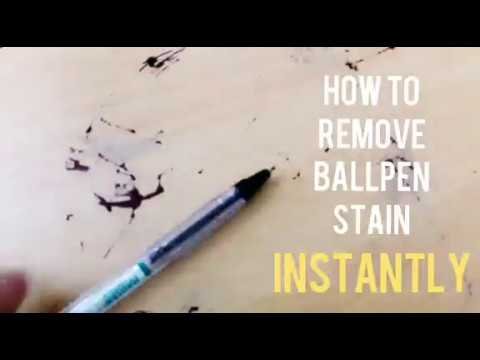
- Ballpoint pen: Oil-based ink, often leaves stubborn marks.
- Gel pen: Water-based, usually easier to remove.
- Felt-tip/Marker: Alcohol-based or water-based, can bleed into surfaces.
- Permanent marker: Meant to be long-lasting, but not always impossible to erase.
Knowing your desk and ink type helps you choose the safest and most effective method.
General Steps Before Cleaning Pen Marks
Before you try any removal method, there are a few basic steps to follow.
- Test in a Small Area: Always start in a hidden corner to make sure the cleaner doesn’t damage your desk.
- Blot, Don’t Rub: If the ink is fresh, gently blot with a paper towel. Rubbing can spread the stain.
- Remove Debris: Clean dust or crumbs first to avoid scratching the desk during cleaning.
- Check Manufacturer’s Instructions: Some desks come with care guidelines—follow them if available.
These steps help prevent minor accidents from becoming big problems.
How To Remove Pen Marks From Wood Desks
Wood desks are beautiful but can be easily damaged. Removing pen marks requires gentle care.
Method 1: Soap And Water
For light marks, mild dish soap can work wonders.
- Mix a few drops of dish soap with warm water.
- Dampen a soft cloth, wring out excess water.
- Gently wipe the pen mark.
- Dry immediately with a clean towel.
Method 2: Baking Soda Paste
Baking soda is a gentle abrasive that can lift ink without scratching.
- Mix one tablespoon of baking soda with a few drops of water to make a paste.
- Apply to the stain with a cloth or your finger.
- Rub gently in a circular motion.
- Wipe off with a damp cloth, then dry.
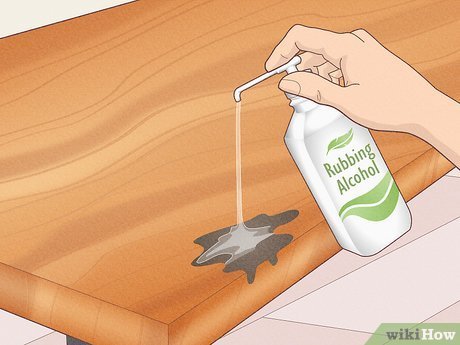
Method 3: Rubbing Alcohol (isopropyl Alcohol)
For stubborn ink, rubbing alcohol is effective, but must be used carefully.
- Put a small amount on a cotton swab.
- Dab the stain lightly, do not soak the wood.
- Wipe with a damp cloth afterward.
- Dry immediately.
Insight: Many people use too much alcohol, which can strip the wood finish. Use sparingly.
Method 4: Toothpaste (non-gel)
White toothpaste (not gel) can sometimes lift ink.
- Apply a small amount to the mark.
- Rub gently with a cloth.
- Wipe clean with a damp cloth.
Method 5: Commercial Wood Cleaner
If home remedies fail, try a cleaner made for wood surfaces. Follow the instructions and always test first.
When To Avoid Diy
If your desk is antique or expensive, or the finish is delicate, consider calling a professional restorer. DIY fixes can sometimes worsen the problem.
How To Remove Pen Marks From Laminate Desks
Laminate desks are common in offices and schools. Their protective surface makes cleaning easier.
Method 1: Magic Eraser
A magic eraser (melamine foam sponge) works well on laminate.
- Dampen the sponge.
- Rub gently over the pen mark.
- Wipe clean with a dry cloth.
Non-obvious tip: Press lightly; too much pressure can dull the laminate finish.
Method 2: Rubbing Alcohol
Isopropyl alcohol removes most pen marks on laminate.
- Dampen a cloth with a little alcohol.
- Wipe the stain, moving in one direction.
- Rinse with a damp cloth and dry.
Method 3: Vinegar Solution
A mild vinegar solution can be effective.
- Mix equal parts white vinegar and water.
- Apply with a soft cloth.
- Rub gently, then wipe clean.
Method 4: Commercial Surface Cleaner
Use a multi-surface cleaner made for desks. Spray, let sit for a minute, and wipe.
What To Avoid
- Do not use abrasive powders (they scratch).
- Avoid acetone—it can damage the plastic surface.
How To Remove Pen Marks From Plastic Desks
Plastic desks are often found in classrooms or children’s rooms.
Method 1: Rubbing Alcohol
Safe and effective for most plastic surfaces.
- Apply with a soft cloth or cotton ball.
- Rub the stain gently.
- Wipe with water and dry.
Method 2: Baking Soda Paste
Just like with wood, baking soda can help.
- Use a soft cloth to apply the paste.
- Rub in a circular motion.
- Rinse and dry.
Method 3: Hand Sanitizer
Most hand sanitizers are alcohol-based.
- Put a small amount on the stain.
- Let it sit for 30 seconds.
- Wipe with a clean cloth.
Method 4: Hairspray
Hairspray contains alcohol which can dissolve ink.
- Spray a little on a cloth, not directly on the desk.
- Dab the stain.
- Wipe clean.
Insider tip: Some modern hairsprays are low-alcohol. Older formulas or high-alcohol sprays work best.
Method 5: Magic Eraser
As with laminate, this works well on plastic. Use light pressure to avoid scratches.
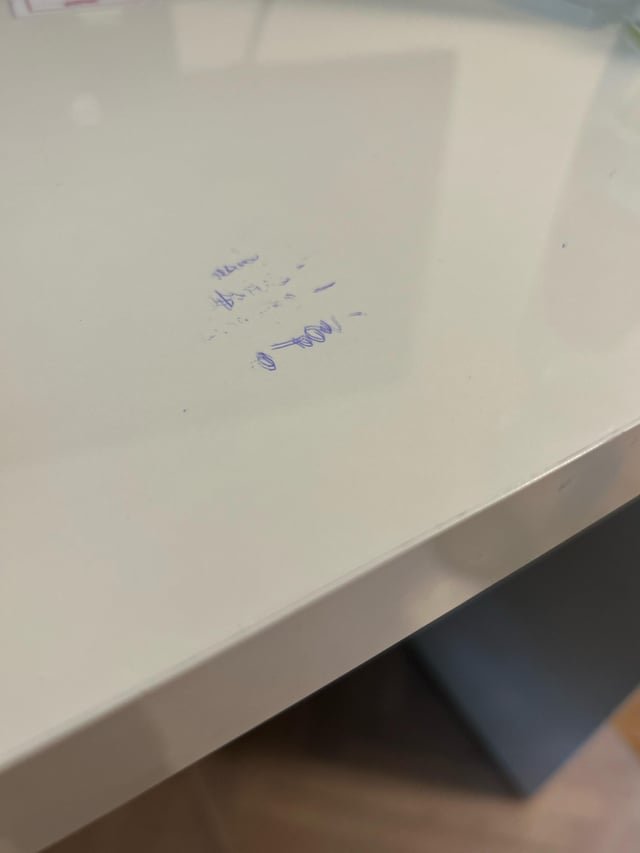
How To Remove Pen Marks From Glass Desks
Glass desks are the easiest for pen mark removal, but still need care to avoid streaks.
Method 1: Glass Cleaner
- Spray glass cleaner on the stain.
- Wipe with a microfiber cloth.
- Repeat if needed.
Method 2: Rubbing Alcohol
- Apply alcohol to a cotton ball.
- Wipe the pen mark.
- Clean with glass spray for a streak-free finish.
Method 3: Acetone/nail Polish Remover
Works for stubborn stains, but use sparingly.
- Dampen a cotton ball with acetone.
- Rub the mark gently.
- Wipe with a damp cloth, then dry.
Caution: Acetone should not touch painted or printed areas of the glass.
Method 4: Razor Blade Scraper
For dried ink, use a scraper made for glass.
- Hold at a 45-degree angle.
- Gently scrape the ink, being careful not to scratch.
- Wipe with cleaner after.
Credit: www.reddit.com
How To Remove Pen Marks From Metal Desks
Metal desks are sturdy, but their paint or finish can be sensitive.
Method 1: Rubbing Alcohol
- Dampen a cloth.
- Rub the stain gently.
- Rinse and dry.
Method 2: Mild Abrasive Cleaner
Some powdered cleaners can be used.
- Sprinkle a little on a wet cloth.
- Rub gently.
- Wipe clean and dry.
Method 3: Baking Soda Paste
- Apply with a soft cloth.
- Rub, then wipe away.
Method 4: Vinegar Solution
- Mix vinegar and water.
- Wipe with a cloth.
- Rinse and dry.
Removing Permanent Marker From Desks
Permanent marker is designed to last, but it’s not always impossible to remove.
Method 1: Dry-erase Marker Trick
This is a clever, little-known method.
- Color over the permanent marker with a dry-erase marker.
- Wait a few seconds.
- Wipe both marks away with a dry cloth.
Why this works: The solvent in dry-erase ink dissolves the permanent ink, making it easy to wipe away.
Method 2: Rubbing Alcohol Or Acetone
Use a cotton ball or cloth, and wipe the mark.
- Rubbing alcohol for most surfaces.
- Acetone for glass or metal (test first).
Method 3: Magic Eraser
Gently rub the stain, being careful on delicate finishes.
Comparing Effectiveness Of Cleaning Methods
Here’s a quick reference comparing popular cleaning products for desk surfaces:
| Cleaning Method | Wood | Laminate | Plastic | Glass | Metal |
|---|---|---|---|---|---|
| Soap & Water | Good | Good | Good | Fair | Good |
| Rubbing Alcohol | Fair* | Excellent | Excellent | Excellent | Excellent |
| Baking Soda | Good | Fair | Good | Not Needed | Fair |
| Magic Eraser | Not Advised | Excellent | Excellent | Good | Use Caution |
| Acetone | Not Advised | Not Advised | Use Caution | Excellent | Good |
*Use sparingly on wood to avoid finish damage.
Common Mistakes To Avoid
Many people accidentally damage their desks when trying to remove ink. Here’s what to watch out for:
- Scrubbing Too Hard: This can scratch or dull the surface, especially on wood, laminate, and plastic.
- Using Harsh Chemicals: Bleach, acetone, and strong solvents can strip finishes and discolor surfaces.
- Skipping a Spot Test: Always check in an out-of-sight area first.
- Letting Stains Sit Too Long: The sooner you act, the easier the stain is to remove.
- Mixing Cleaning Products: Some combinations create harmful fumes or residue.
Insight: Many desk stains get worse because people use too much liquid, which can soak into wood or underneath laminate, making the mark spread.
How To Prevent Pen Marks On Your Desk
Prevention is easier than removal. Here are practical steps you can take:
- Use Desk Mats: Place a clear or decorative mat on your work area.
- Choose the Right Pens: Gel pens are less likely to leave permanent stains compared to ballpoint or markers.
- Teach Children: If kids use your desk, explain the importance of writing on paper only.
- Keep Cleaning Supplies Handy: A quick response stops stains from setting.
- Regular Maintenance: Wipe your desk weekly to catch stains early.
Eco-friendly And Home Remedies
If you prefer natural solutions, here are options that are gentle on your desk and the environment.
Lemon Juice
Natural acid can lift ink from some surfaces.
- Squeeze lemon juice onto a cloth.
- Dab the stain, wait 5 minutes.
- Wipe clean.
Cornstarch
Absorbs fresh ink.
- Sprinkle cornstarch on a new stain.
- Let sit for 10 minutes.
- Brush away, then clean with a damp cloth.
Olive Oil
For stubborn stains on wood.
- Rub a few drops with a soft cloth.
- Wipe with a clean towel.
These methods are safe, but may require more time and patience.
Professional Cleaning And When To Call For Help
Sometimes, stains are too deep or desks are too valuable for DIY attempts.
- Antique Wood Desks: Contact a furniture restorer.
- High-Gloss or Expensive Finishes: Professional cleaning protects your investment.
- Deep, Old Stains: Experts have specialized tools and products.
The cost may be worth it to avoid permanent damage.
Comparing Removal Times For Different Methods
How long does it take to remove pen marks? Here’s a quick look:
| Method | Average Time (minutes) | Best For |
|---|---|---|
| Soap & Water | 2–5 | Fresh, light stains |
| Rubbing Alcohol | 1–3 | Stubborn, set-in stains |
| Magic Eraser | 2–4 | Laminate, plastic |
| Dry-Erase Marker Trick | 1–2 | Permanant marker stains |
| Lemon Juice | 5–10 | Eco-friendly cleaning |
Maintenance Tips For A Stain-free Desk
Keeping your desk clean saves time and effort in the future.
- Wipe Spills Immediately: Ink sets quickly, so clean up right away.
- Avoid Eating on Your Desk: Food can attract dust and make stains harder to remove.
- Store Pens Properly: Use pen holders to prevent accidental marks.
- Polish Wood Desks Regularly: Conditioning prevents stains from penetrating.
When To Replace Desk Parts
Sometimes, stains are impossible to remove without damaging the desk.
- Laminate Peeling or Deep Stains: Replacement may be cheaper than restoration.
- Chipped or Gouged Surfaces: New desktop or refinishing could be needed.
- Glass with Etched Ink: Rare, but deep scratches may require a new glass panel.
If your desk is old or the stain too deep, consider an upgrade.
Credit: www.youtube.com
Real-world Examples
- A student accidentally drew on a plastic desk with a ballpoint pen. Rubbing alcohol removed the stain in two minutes.
- An office worker spilled gel ink on a wood veneer desk. After trying soap and water, baking soda paste finally lifted the mark.
- A parent found permanent marker on a glass desk. The dry-erase marker trick erased it quickly without streaks.
Learning from others’ experiences helps you choose the right method fast.
Additional Resources
For more details on ink chemistry and cleaning, visit this Wikipedia article on ink.
Credit: www.wikihow.com
Frequently Asked Questions
What Is The Safest Way To Remove Pen Marks From A Wood Desk?
The safest way is to start with a mixture of mild dish soap and water. Gently wipe with a soft cloth, then dry the area. Always test in a hidden spot first to avoid damaging the finish.
Can I Use Nail Polish Remover On All Desk Types?
No, acetone (nail polish remover) can damage many surfaces, especially wood and laminate. It’s best for glass or metal, and always test first.
Will Rubbing Alcohol Fade My Desk’s Color?
Rubbing alcohol can sometimes fade or dull finishes, especially on wood and painted surfaces. Use it sparingly and test before using it on the main surface.
Is It Possible To Remove Old, Set-in Pen Marks?
Yes, but older stains are harder to remove. Try rubbing alcohol or a magic eraser for most surfaces, and be prepared to repeat the process. In some cases, professional help is best.
What If The Pen Mark Does Not Come Off?
If home methods fail, you can try a commercial cleaner made for your desk’s material. For valuable or delicate desks, professional restoration might be the safest option.
Restoring your desk to its original look is possible with patience and the right approach. By understanding your desk surface and ink type, using the correct cleaning method, and acting quickly, pen marks do not have to be permanent. Remember to protect your desk in the future, so you can enjoy a clean, productive workspace every day.
Related Office Guides
Continue with these related workspace guides: