
A desk lamp is more than just a source of light—it helps you work, study, read, and create. But over time, dust, fingerprints, and grime build up on the lamp’s surface, shade, and even its bulb. This not only makes the lamp look dull but can also reduce light output and even shorten the lamp’s life.
Cleaning your desk lamp the right way can bring back its shine and make your workspace feel fresh again. Many people clean their lamps quickly, missing hidden dirt or damaging delicate parts. In this guide, you’ll learn step-by-step methods, smart tips, and practical advice to clean every part of your desk lamp safely and effectively.
Whether your lamp is metal, plastic, or fabric, you’ll find solutions for every material and situation.
Why Cleaning Your Desk Lamp Matters
A clean desk lamp is not just about looks. When dust and dirt cover the lamp or bulb, the light becomes weaker and uneven. This can strain your eyes, especially if you read or work for long hours. Over time, dust can even get inside the lamp, affecting the wiring or causing overheating.
If you suffer from allergies, a dusty lamp can also release particles into the air every time you turn it on. Finally, regular cleaning protects your investment, keeping your lamp working for years.
Understanding Your Desk Lamp’s Materials
Before you start, it’s important to know what your lamp is made of. Desk lamps come in many types, including metal, plastic, glass, ceramic, and fabric shades. Each material needs a different cleaning method. Using the wrong cleaner or scrubbing too hard can cause scratches, fading, or even electrical problems.
Common Desk Lamp Materials
| Material | Common Problems | Best Cleaning Method |
|---|---|---|
| Metal (steel, brass, aluminum) | Fingerprints, tarnish, dust | Soft cloth, mild soap, polish (for brass) |
| Plastic | Scratches, discoloration | Damp cloth, gentle soap |
| Glass | Smudges, dust, water spots | Glass cleaner, microfiber cloth |
| Ceramic | Stains, dust | Soft cloth, mild cleaner |
| Fabric Shade | Dust, stains, discoloration | Vacuum, lint roller, gentle soap |
Safety First: Preparing To Clean Your Desk Lamp
Cleaning a lamp is simple, but safety always comes first. Lamps use electricity, so a few precautions can prevent accidents.
- Unplug the lamp before cleaning. Never clean while the lamp is plugged in.
- Let the bulb cool. If you just turned it off, wait at least 10 minutes.
- Move the lamp to a clear, stable surface. Lay down a towel to catch drips.
- Gather supplies: You’ll need soft cloths, mild soap, a small brush, water, and any special cleaner for your lamp’s material.
If your lamp has a removable shade or parts, take them apart gently. This makes each part easier to clean and dry.
Step-by-step Guide: How To Clean A Desk Lamp
Follow these steps to get your desk lamp clean and bright.
1. Dust And Surface Cleaning
Start by removing loose dust and dirt. Use a soft, dry microfiber cloth or a duster. For hard-to-reach spots, use a soft brush or even a small paintbrush. Dust from top to bottom so you don’t miss hidden areas.
Tips:
- For pleated or textured shades, use a lint roller or a vacuum with a brush attachment.
- Don’t forget the lamp base, cord, and switches.
2. Cleaning The Lamp Shade
The shade is often the dirtiest part, as dust settles on top. The right method depends on the material.
Fabric Shade
Fabric shades are delicate. Too much water can cause stains, but dust alone won’t remove built-up dirt.
- Remove the shade.
- Use a vacuum with a brush tool to remove loose dust.
- For stains, mix a small amount of mild soap with water. Dampen a soft cloth and gently dab the stain. Do not soak.
- Let the shade air dry completely before reattaching.
Plastic Or Glass Shade
Plastic and glass can handle more moisture.
- Remove the shade if possible.
- Wash with a soft cloth and mild soapy water.
- Rinse with clean water and dry with a lint-free cloth.
- For glass, a small amount of vinegar and water (1: 1) removes smudges.
Metal Shade
Metal shades are sturdy but can tarnish.
- Dust first.
- Wipe with a damp cloth and mild soap.
- For brass, use a special metal polish if needed, but always test on a small spot first.
3. Cleaning The Lamp Body
The lamp body collects fingerprints, grime, and sometimes sticky residue.
- Use a soft, damp cloth with mild soap.
- Avoid getting water into switches, sockets, or wiring.
- For detailed designs, use a soft brush to reach crevices.
If your lamp is metal and shows signs of tarnish, use a polish made for that specific metal. For plastic, stick to gentle cleaners—harsh chemicals can cause fading or cracks.
4. Cleaning The Bulb
A dirty bulb can lose up to 30% of its brightness. Cleaning bulbs is simple but important.
- Make sure the bulb is cool and unplugged.
- Unscrew the bulb carefully.
- Wipe the bulb with a dry microfiber cloth. For tough spots, use a little vinegar on the cloth but don’t let moisture touch the metal base.
- Avoid touching the bulb with bare hands, especially halogen bulbs, as oil from your skin can cause damage.
5. Cleaning The Lamp Cord And Switch
The cord and switch are often ignored but can get sticky from dust and handling.
- Wipe the cord with a damp cloth.
- Use a cotton swab for grooves or switches.
- Check for any wear or damage—if the cord is cracked or frayed, stop using the lamp and get it repaired.
6. Reassemble And Final Check
Once all parts are clean and dry:
- Reattach the shade and bulb.
- Plug in the lamp.
- Turn it on to check for any missed spots or streaks.
Credit: capturingwonderland.com
Cleaning Special Lamp Types
Some desk lamps have unique features or materials. Here’s how to handle them:
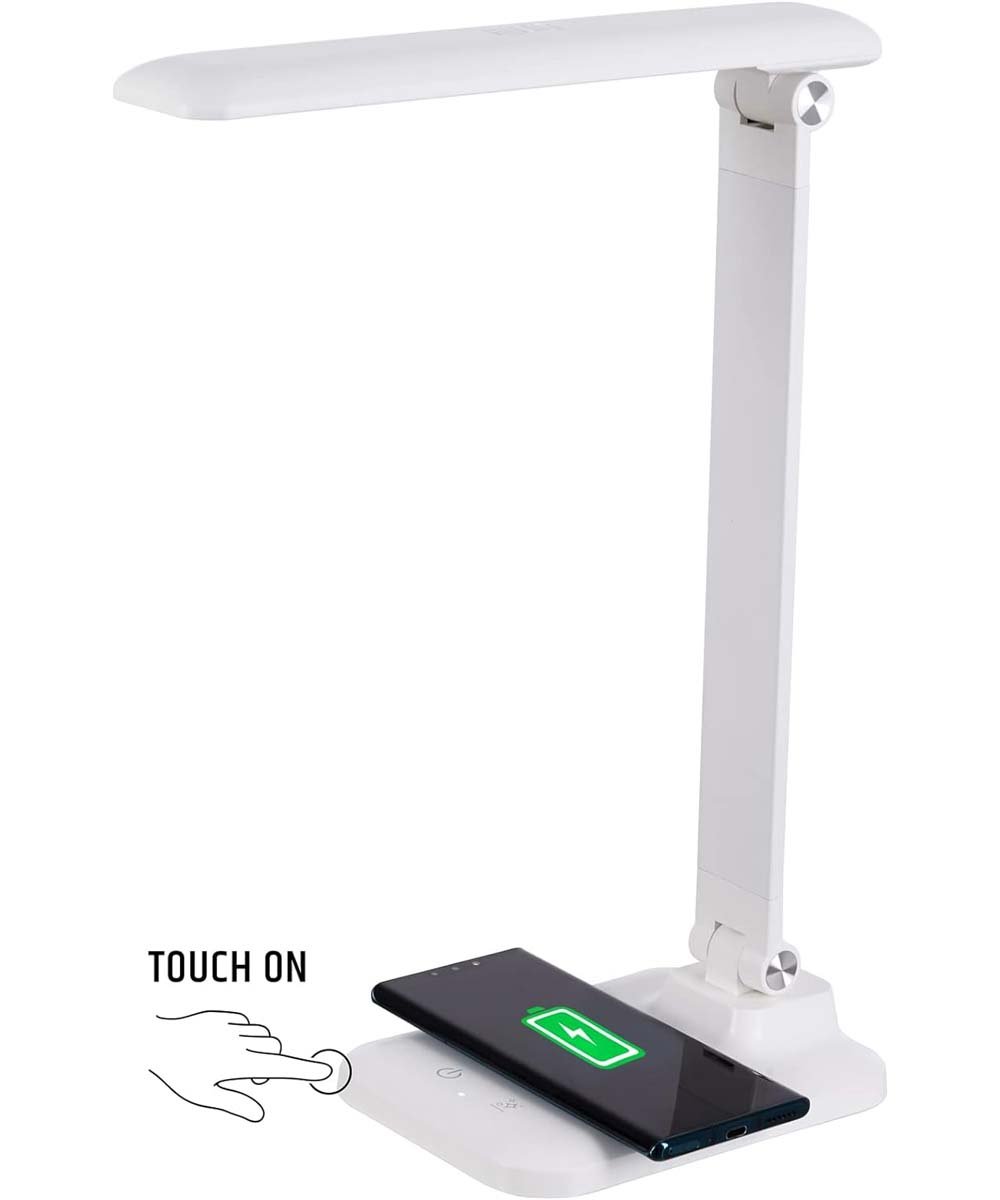
Led Desk Lamps
LED lamps use special bulbs and sometimes have touch-sensitive controls.
- Avoid excess moisture near the controls.
- Use only a slightly damp cloth.
- Clean the LED panel gently—never spray cleaner directly on the lamp.
Adjustable Or Swing-arm Lamps
Joints and springs can collect dust and debris.
- Use a small brush for joints.
- Add a drop of light machine oil if the arm squeaks, but avoid getting oil on the lamp surface.
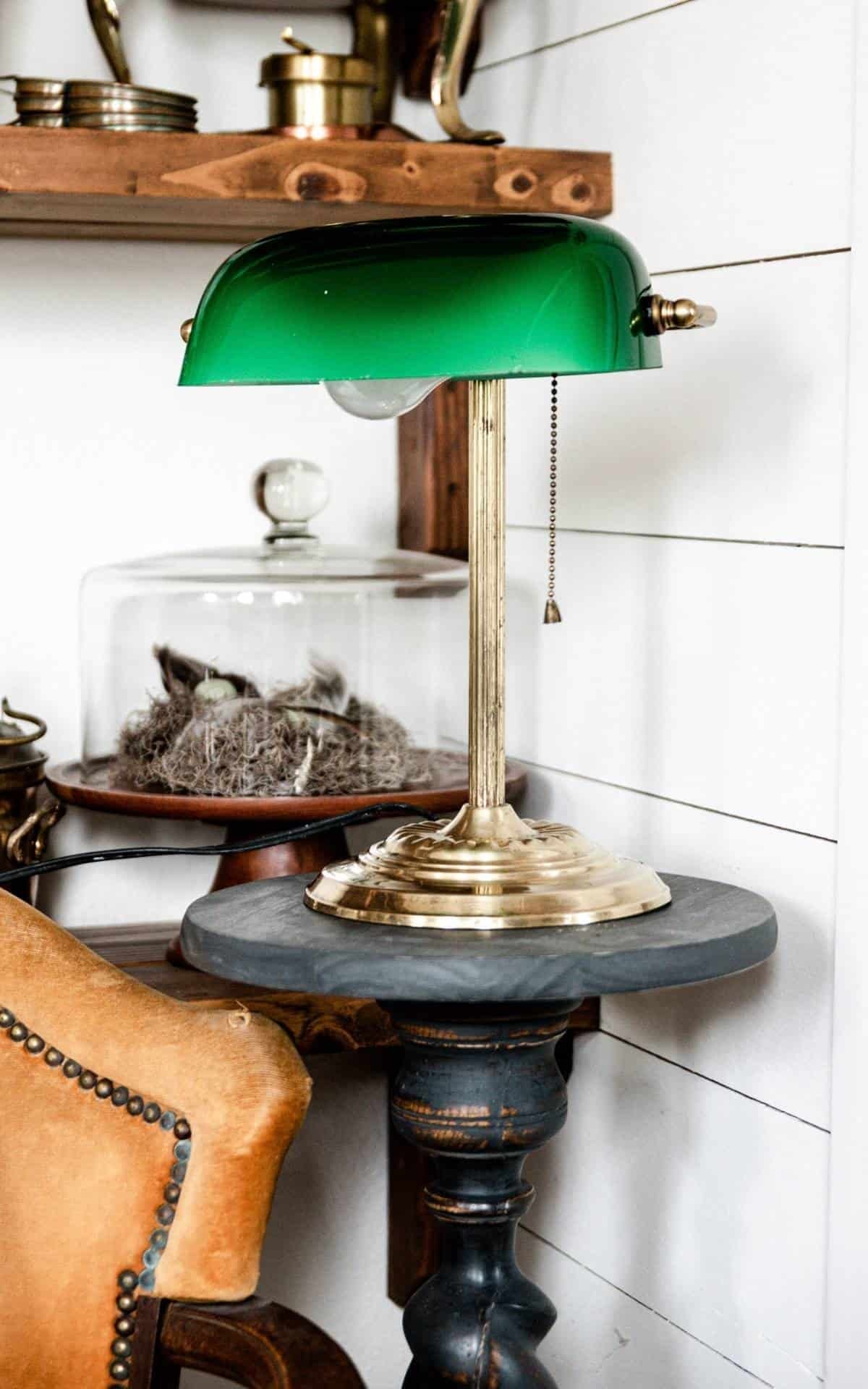
Antique Or Decorative Lamps
Vintage lamps may have delicate finishes or rare parts.
- Test any cleaner on a small, hidden spot first.
- Avoid strong chemicals or abrasives.
- If unsure, consult an expert or restorer.
Removing Tough Stains And Marks
Sometimes, regular cleaning isn’t enough. Here’s how to handle stubborn problems:
- Sticky Residue: Use a little rubbing alcohol on a cloth. Test first to make sure it doesn’t damage the finish.
- Water Marks on Metal: Mix baking soda with water to make a paste. Rub gently with a soft cloth.
- Grease or Oil Stains: Dish soap and warm water can cut through grease on metal or plastic.
- Ink Marks: For plastic or metal, a magic eraser can help. For fabric shades, use a stain remover made for fabric.
Remember, always test cleaning solutions in a hidden spot first.
How Often Should You Clean Your Desk Lamp?
The right schedule depends on your space:
- If you live in a dusty area or have pets, clean every 2-4 weeks.
- In a typical home or office, clean the lamp every 1-2 months.
- For lamps near kitchens or workspaces, check more often for grease or splashes.
Set a reminder or make lamp cleaning part of your regular cleaning routine.
Common Mistakes To Avoid
Many people make the same errors when cleaning desk lamps. Avoid these to keep your lamp safe and looking new:
- Cleaning while plugged in: This is a safety hazard. Always unplug first.
- Using harsh chemicals: These can damage finishes or cause fading.
- Spraying cleaner directly on the lamp: Spray on the cloth instead.
- Using rough sponges or brushes: These scratch surfaces, especially plastic and metal.
- Reassembling before dry: Water in sockets can cause short circuits.
One detail beginners often miss: cleaning the underside of the shade and the inside of the base. These areas collect hidden dust.
Eco-friendly Cleaning Tips
You don’t need harsh chemicals to get your lamp clean. Many household items work well and are better for your health and the environment.
- Vinegar and water: Great for glass, plastic, and metal.
- Baking soda paste: Perfect for gentle scrubbing.
- Old t-shirts or socks: These make excellent soft cloths.
- Lemon juice: Safe for many surfaces and removes odors.
If your lamp is valuable or has a special finish, stick to the mildest cleaners possible.
Troubleshooting: If Your Lamp Doesn’t Work After Cleaning
Sometimes, a lamp stops working after cleaning. Here’s what to check:
- Is the bulb screwed in tightly? A loose bulb won’t light up.
- Is the plug fully inserted into the outlet?
- Is the socket dry? Wait another hour if you suspect moisture.
- Is the cord damaged? Don’t use a lamp with a frayed cord.
- Try a new bulb—sometimes, bulbs fail during cleaning.
If the lamp still doesn’t work, consult an electrician or the manufacturer.
Credit: capturingwonderland.com
Quick Reference: Desk Lamp Cleaning Methods
Here’s a handy comparison of cleaning methods for different lamp parts.
| Lamp Part | Best Cleaning Tool | Cleaner Needed? | Special Note |
|---|---|---|---|
| Fabric Shade | Vacuum, lint roller | Sometimes (for stains) | Do not soak |
| Glass Shade | Microfiber cloth | Yes (mild soap or vinegar) | Dry thoroughly |
| Metal Body | Soft cloth, brush | Yes (mild soap, polish if needed) | Test polish first |
| Plastic Parts | Damp cloth | Yes (gentle soap) | Avoid harsh chemicals |
| Bulb | Dry microfiber cloth | No | Don’t touch glass with hands |
Practical Tips For Long-lasting Cleanliness
Keeping your lamp clean can be simple if you follow a few habits:
- Dust your lamp every week when you clean your desk.
- Avoid eating or drinking near the lamp to prevent sticky spills.
- Place your lamp away from open windows to reduce dust.
- Check the bulb’s brightness—if it’s dim, clean it before replacing.
You can also use a small cover or cloth over the lamp when not in use for long periods. This reduces dust buildup.
When To Seek Professional Help
Some situations are best left to professionals:
- If your lamp is antique or valuable, get expert advice before cleaning.
- If you see rust, cracks, or exposed wiring, do not use the lamp until it’s repaired.
- If your lamp flickers or smells like burning, unplug it and contact an electrician.
Never try to repair electrical parts yourself unless you are trained.
Real-world Example: Restoring A Dusty Student Desk Lamp
Sarah, a college student, noticed her desk lamp wasn’t as bright as before. She hadn’t cleaned it in over a year. She followed these steps:
- Unplugged the lamp and let the bulb cool.
- Removed the shade, vacuumed the dust, and wiped a stain with a damp cloth.
- Cleaned the bulb with a dry microfiber cloth.
- Wiped the metal body with soapy water and dried it.
- Checked the cord for damage.
- Reassembled everything and plugged it in.
The lamp looked new, and the light was much brighter. Sarah realized that regular cleaning made studying easier and her desk more inviting.
Credit: www.lampsusa.com
Expert Insight: How Clean Lamps Save Energy
A clean lamp can be up to 30% brighter than a dirty one. This means you may not need to turn on extra lights, saving electricity. Over a year, this small habit can lower your energy bill and reduce your environmental impact. According to the U.S. Department of Energy, keeping lights clean and using efficient bulbs are simple ways to save money and energy (Energy.gov).
Frequently Asked Questions
How Often Should I Clean My Desk Lamp?
It’s best to clean your desk lamp every 1-2 months for regular use. If you live in a dusty area or have allergies, consider cleaning it every 2-4 weeks. Lamps near kitchens or busy areas may need more frequent cleaning.
Can I Use Disinfectant Wipes On My Desk Lamp?
Disinfectant wipes are safe for plastic and metal parts, but avoid using them on fabric shades or delicate finishes. Always unplug the lamp first, and never let moisture get into switches or wiring.
What Should I Do If I Spill Water Inside The Lamp?
Unplug the lamp immediately. Do not use the lamp until it is completely dry inside and out. If you suspect water reached the wiring, have an electrician check it before using again.
Is It Safe To Clean Led Desk Lamps With Water?
Use only a slightly damp cloth for LED desk lamps. Never spray water or cleaner directly on the lamp. Avoid moisture near touch controls or USB ports.
Why Does My Lamp Still Look Dull After Cleaning?
If your lamp still looks dull, check for leftover residue or streaks. Try wiping again with a clean, dry microfiber cloth. For metal lamps, a little polish can restore shine. For fabric shades, stubborn stains may need professional cleaning.
A clean desk lamp not only looks better but also improves your workspace, helps your eyes, and even saves energy. With these tips and methods, you can keep your lamp—and your desk—bright and inviting year-round.
Related Office Guides
Continue with these related workspace guides: